Top Stories
KFF Neatly being Files’ ‘What the Neatly being?’: Abortion Access Altering Again in Florida and Arizona
The landscape of abortion access in the United States continues to evolve rapidly, with Florida and Ariz...
TAMFIS NIG LTDRC 8067447CAC ACTIVEFinima, Bonny Island, Rivers State

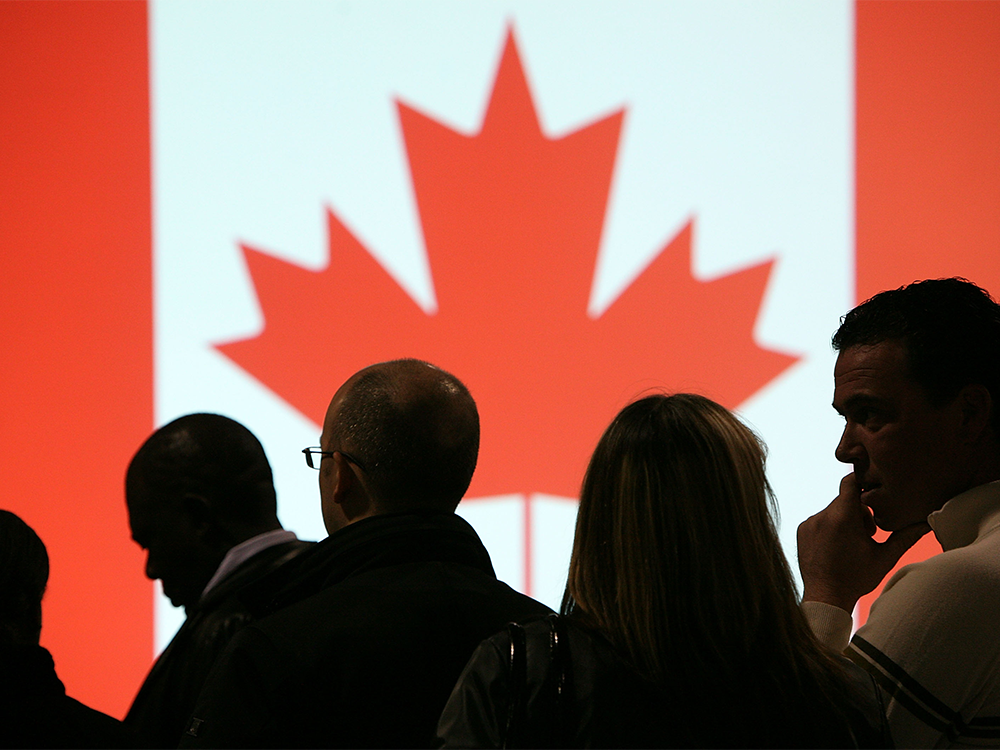
In August 2024, the U.S. Department of Commerce announced a significant increase—doubling—of duties on Canadian softwood lumber imports. This move has been sharply criticized by the United Steelworkers (USW) union, which represents a substantial portion of workers in the Canadian forestry sector. The USW argues that this decision is less about addressing unfair trade practices and more about shielding U.S. producers through protectionist policies. This article provides a comprehensive analysis of the complexities surrounding the softwood lumber dispute, the rationale behind the U.S. government's decision, and the repercussions for workers and the broader North American trade relationship.
The softwood lumber dispute between the United States and Canada has been a long-standing trade conflict, dating back several decades. At its core, the disagreement revolves around allegations from the U.S. lumber industry that Canadian producers benefit from unfair subsidies and lower stumpage fees, which allegedly give them an unfair advantage in pricing. Canada, on the other hand, contends that its forestry sector operates under fair market conditions with public resource management that benefits workers and communities alike.
Over the years, various trade agreements and negotiations sought to resolve this issue, including the Softwood Lumber Agreement signed in 2006, which expired in 2015. Since then, the two countries have engaged in multiple rounds of tariffs, countervailing duties, and legal challenges at the World Trade Organization (WTO) and NAFTA/USMCA dispute resolution forums. Despite these efforts, tensions have persisted, with both sides accusing each other of protectionist tactics.
The latest decision by the U.S. Department of Commerce to double duties on Canadian softwood lumber imports marks a new chapter in this ongoing dispute. This escalation has reignited debates about the true motivations behind U.S. trade policy and the impact such measures have on bilateral relations and the forest industry.
The United Steelworkers union, which represents over 14,000 workers in Canada’s forest industry, has been vocal in its opposition to the U.S. Department of Commerce’s decision. Jeff Bromley, Chair of the USW Wood Council, described the move as “pure U.S. protectionism,” arguing that it unfairly targets Canadian producers while allowing other international competitors unrestricted access to the U.S. market.
According to the USW, the doubling of duties is largely driven by lobbying efforts from the U.S. softwood lumber industry, which aims to artificially inflate lumber prices by restricting Canadian supply. Bromley emphasized that the current market is in a low-price cycle, and these tariffs are an attempt to manipulate the market rather than address any legitimate subsidy concerns.
The union also highlighted the disparity in labor conditions and costs between Canadian and U.S. workers. Canadian forestry workers tend to have higher wages and benefits, and Canadian companies operate with higher fiber costs. The USW argues that these factors contradict claims that Canadian producers are unfairly subsidized and that the tariffs hurt hardworking employees on both sides of the border.
The increased tariffs have tangible consequences for Canadian forestry workers and the communities that depend on the industry. Since 2017, Canadian companies have paid over $9 billion in duties and tariffs related to softwood lumber, placing significant financial strain on operations and leading to layoffs and reduced hours for workers.
Many forestry-dependent communities across Canada, particularly in British Columbia and Quebec, face economic uncertainty as mills reduce output or close in response to diminished market access. These job losses have ripple effects, impacting local businesses and public services.
Moreover, the USW points out that Canadian public resources, including forests managed by provincial governments, contribute to social and economic benefits that extend beyond mere commercial interests. First Nations communities, for example, play a vital role in sustainable forest management and benefit directly from the industry’s success. Tariffs that disrupt this ecosystem threaten these broader social gains.
The U.S. softwood lumber industry’s lobbying efforts have been central to the imposition and escalation of tariffs on Canadian imports. Critics argue that these efforts prioritize short-term profits for a select group of producers over the health of the broader North American market and bilateral trade relations.
The USW and other observers contend that the lobbying is motivated by an attempt to exploit market cycles by artificially limiting supply. By pushing for higher duties, U.S. industry players seek to raise lumber prices, benefiting domestic producers at the expense of Canadian exporters and consumers who face higher costs.
This approach is described as “shallow economics” by union leaders because it ignores the interconnected nature of the North American forest economy and the long-term consequences of trade barriers. Instead of fostering competition and innovation, protectionist policies risk entrenching inefficiencies and escalating trade tensions.
The imposition of doubled tariffs on Canadian softwood lumber stands in stark contrast to the generally strong trade relationship between Canada and the United States. Under agreements like the USMCA, many goods and resources flow freely across the border, supporting millions of jobs and billions in economic activity.
This decision challenges the spirit of cooperation and mutual benefit that has characterized much of the Canada-U.S. trade partnership. The tariffs create barriers that disrupt supply chains, increase costs for U.S. businesses and consumers, and undermine trust between the two nations.
Critics argue that such protectionist measures are inconsistent with the principles of free and fair trade that both countries have historically championed. The tariffs risk setting a precedent for other sectors, potentially triggering retaliatory actions and a broader escalation of trade disputes.
The softwood lumber dispute has frequently involved legal challenges at the World Trade Organization (WTO) and dispute resolution mechanisms under NAFTA and its successor, the United States-Mexico-Canada Agreement (USMCA). Canadian exporters have contested U.S. duties as unjustified and inconsistent with international trade rules.
The doubling of duties by the U.S. Department of Commerce may invite further legal scrutiny and potential retaliation from Canada. Previous rulings have sometimes favored Canadian claims, emphasizing the complexity and contentious nature of the dispute.
International trade experts warn that unilateral tariff hikes undermine multilateral trade frameworks and encourage tit-for-tat measures. Resolving the dispute through negotiation and arbitration remains the preferred path to maintaining stable trade relations and avoiding prolonged economic harm.
Beyond the immediate impact on Canadian producers and workers, the tariff increase affects the broader North American construction and manufacturing sectors. Softwood lumber is a critical raw material for housing, infrastructure, and furniture production, and higher costs ripple through these industries.
U.S. consumers may face increased prices for homes and goods, while builders confront supply constraints and uncertainty. This scenario challenges the premise that protecting domestic producers benefits the overall economy.
Furthermore, escalating trade tensions can discourage investment and innovation in the forestry sector. Cross-border collaboration is essential for sustainable forest management and competitiveness in global markets, which protectionist policies risk undermining.
Addressing the softwood lumber dispute requires renewed dialogue and negotiation grounded in transparency and mutual respect. Both Canada and the United States have a shared interest in maintaining a fair and competitive market that supports workers and sustainable resource management.
The USW advocates for policies that prioritize workers’ welfare and reject protectionist measures that harm cross-border cooperation. Collaborative efforts to address legitimate concerns about subsidies or market distortions should replace punitive tariffs.
Ultimately, resolving this issue is critical for the health of North American trade relations and the livelihoods of thousands of workers. Constructive engagement, rather than escalation, offers the best hope for a durable and equitable solution.
The U.S. Department of Commerce’s decision to double duties on Canadian softwood lumber imports represents a significant escalation in a decades-long trade dispute. While framed as a measure to address unfair subsidies, the move is widely perceived by key stakeholders, including the United Steelworkers union, as a protectionist policy that undermines fair trade and harms workers on both sides of the border. The tariffs exacerbate economic challenges for Canadian forestry communities and disrupt the integrated North American market. To safeguard the interests of workers, industries, and consumers, it is imperative that Canada and the United States recommit to dialogue, negotiation, and adherence to international trade rules. Only through cooperative engagement can a balanced and sustainable resolution to the softwood lumber dispute be achieved, preserving the strong economic ties and mutual benefits that define Canada-U.S. relations.
Originally reported by financialpost.com. Adapted for our readers.
Keep reading
Top Stories
The landscape of abortion access in the United States continues to evolve rapidly, with Florida and Ariz...
Top Stories
California’s homelessness crisis has reached unprecedented levels, with the state now home to a third of...
Top Stories
Top Stories Tamfitronics Not yet gleaming her subsequent opponent, Taylor Heise took the diplomatic approach in announcing she didn’t have a preference...
TAMFIS NIG LTD
Electrical and instrumentation engineering, bid preparation and consulting, IT and software.