Top Stories
Discovery beneath soccer field reveals massive medieval convent lost for centuries
NEWYou can now listen to Fox News articles! Researchers recently uncovered a long-lost medieval convent in an unusual location in Denmark: a soccer field…
TAMFIS NIG LTDRC 8067447CAC ACTIVEFinima, Bonny Island, Rivers State

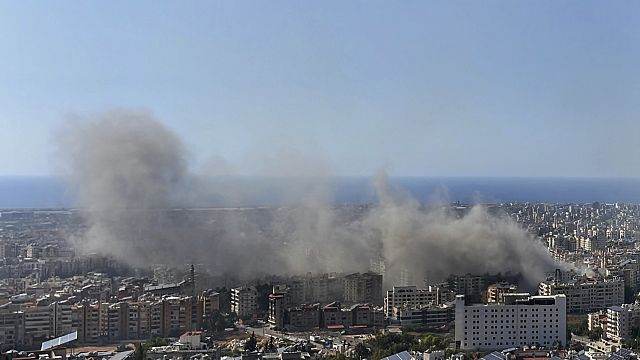
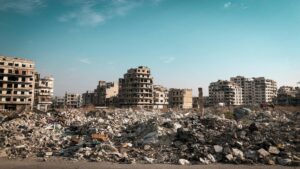
The ongoing conflict between Israel and Hezbollah has dramatically escalated, triggering a humanitarian crisis in Lebanon. In response to the violence and widespread displacement, a ship carrying hundreds of foreign nationals fleeing Lebanon recently arrived in Turkey. Departing from the port city of Tripoli, this vessel is part of a series of evacuation efforts aimed at ensuring the safety of foreign citizens caught in the crossfire. This article delves into the circumstances surrounding the evacuation, the broader conflict’s impact on civilians, and the international response to this rapidly evolving situation.
The Israel-Hezbollah conflict has deep roots, characterized by periodic flare-ups of violence. The latest escalation began following the October 7th Hamas attack, which prompted Hezbollah, the Iran-backed Lebanese militant group, to exchange fire with Israel. Hezbollah’s actions are framed as solidarity with Palestinians in Gaza, intensifying a multifaceted regional conflict that has drawn international concern.
Over the past two weeks, Israeli airstrikes have targeted Hezbollah positions and infrastructure in Lebanon, resulting in significant casualties. According to local Lebanese authorities, more than 1,000 people have been killed, and the violence has displaced approximately 1 million residents from their homes. The conflict has severely destabilized northern Lebanon, especially areas near the Israeli border, where rocket attacks and retaliatory strikes have been most intense.
Israel maintains that its military campaign aims to neutralize Hezbollah’s capabilities and secure the safe return of tens of thousands of northern Israeli residents who fled rocket attacks. However, the sustained bombardment and ground skirmishes have exacerbated the humanitarian situation in Lebanon, prompting urgent calls from governments worldwide for their nationals to evacuate the country.
In the midst of this turmoil, a ship carrying hundreds of foreign nationals fleeing the violence in Lebanon arrived at a port on Turkey’s Mediterranean coast on Thursday. The vessel departed from Tripoli, Lebanon’s second-largest city and a key port facing the Mediterranean Sea. This evacuation is part of a coordinated effort to relocate foreign nationals safely away from the conflict zone.
According to the Turkish news agency IHA, the ship is the third in recent days to arrive in Turkey carrying evacuees from Lebanon. These ships are facilitating the transit of displaced foreign citizens who now await arrangements to return to their respective home countries. The Turkish government has played an instrumental role in providing safe harbor and logistical support for these evacuation operations.
The arrival of this ship underscores the scale of displacement caused by the conflict and highlights Turkey’s strategic position as a gateway for those fleeing Lebanon. It also reflects the broader international response, where multiple countries are mobilizing resources to protect their nationals and provide humanitarian assistance amid the escalating violence.
The intensification of hostilities has had devastating consequences for Lebanon’s civilian population. With over a million people displaced, many families have been forced to abandon their homes with little notice, seeking safety in less affected areas or attempting to flee the country altogether. The disruption to daily life has been profound, with critical infrastructure damaged or destroyed.
Healthcare facilities in Lebanon are overwhelmed by the influx of wounded civilians and the general strain caused by ongoing airstrikes and ground clashes. Access to food, clean water, and medical supplies has become increasingly limited, exacerbating the humanitarian crisis. International aid organizations are struggling to provide adequate support amid security challenges.
The psychological toll on Lebanon’s population is significant, particularly for children and vulnerable groups exposed to constant violence and instability. Many families fear the protracted nature of the conflict will further erode social cohesion and economic stability, compounding the country’s preexisting challenges.
Turkey has emerged as a critical player in the regional response to the Lebanon crisis, leveraging its geographic proximity and diplomatic ties to facilitate evacuations and humanitarian aid. The Turkish government has opened its ports and coordinated with international agencies to provide safe passage and temporary accommodation for evacuees arriving from Lebanon.
Beyond evacuation efforts, Turkey has also pledged humanitarian aid to support displaced Lebanese civilians and those affected by the conflict. This includes medical supplies, food assistance, and temporary shelter provisions. Turkish authorities are working closely with NGOs and international organizations to ensure aid reaches those in need promptly.
Turkey’s involvement reflects its broader strategic interests in the Middle East and its commitment to regional stability. By assisting foreign nationals and supporting Lebanon’s civilian population, Turkey aims to mitigate the humanitarian fallout and foster cooperation among neighboring countries during this volatile period.
Governments around the world have issued urgent advisories urging their citizens to leave Lebanon immediately due to escalating violence. Many have arranged charter flights, sea evacuations, and other logistical support to facilitate the safe exit of their nationals. These measures underscore the severity of the conflict and the risks posed to foreign residents and tourists.
International organizations, including the United Nations and the International Committee of the Red Cross, have called for restraint from all parties and emphasized the need to protect civilians and humanitarian workers. They have also appealed for unhindered access to deliver aid and support to displaced populations within Lebanon.
Diplomatic efforts continue behind the scenes to de-escalate the conflict and negotiate ceasefires. However, the situation remains fluid, with the potential for further violence. The international community is closely monitoring developments and coordinating responses to mitigate the crisis’s impact on both Lebanese citizens and foreign nationals.
The journey for foreign nationals fleeing Lebanon is fraught with logistical and safety challenges. Evacuees often face difficulties securing timely transportation amid the chaos, with limited flights and sea vessels available. The risk of being caught in crossfire or facing delays due to security checkpoints adds to the complexity of evacuation efforts.
Once aboard evacuation ships, conditions can be cramped and stressful, especially for families with children and elderly passengers. Ensuring adequate provisions, medical care, and security during transit is a priority for authorities facilitating these operations. The psychological strain of displacement and uncertainty further compounds evacuees’ hardships.
Coordination among countries to receive and process evacuees is critical but complicated by varying immigration policies and logistical capacities. Turkey’s role as a transit hub helps streamline this process, but evacuees still face waiting periods before being repatriated to their home countries, prolonging their displacement.
The prospects for stability in Lebanon hinge on the resolution of the Israel-Hezbollah conflict and broader regional dynamics. Until a ceasefire or political agreement is reached, displacement and humanitarian challenges are likely to persist. The international community’s diplomatic engagement will be crucial in facilitating a peaceful resolution.
For displaced foreign nationals, the hope is to return safely to Lebanon once conditions permit. However, ongoing security concerns and infrastructure damage may delay repatriation efforts. Governments and aid organizations must prepare for protracted support to evacuees during this uncertain period.
Lebanon’s path to recovery will require substantial reconstruction, reconciliation, and economic support. Addressing the humanitarian crisis and mitigating the conflict’s long-term impacts will demand coordinated efforts from regional powers, international donors, and local stakeholders to rebuild a stable and peaceful Lebanon.
The arrival of a ship carrying hundreds of foreign nationals fleeing Lebanon in Turkey highlights the urgent humanitarian crisis triggered by the escalating Israel-Hezbollah conflict. As violence continues to displace millions and strain Lebanon’s fragile infrastructure, coordinated evacuation and aid efforts have become essential. Turkey’s role as a transit hub and humanitarian partner underscores the regional and international commitment to protecting vulnerable populations during this volatile period. While immediate safety remains a priority, the path to lasting peace and stability in Lebanon will require sustained diplomatic engagement and comprehensive support for reconstruction and reconciliation. The world watches closely, hopeful for a de-escalation that will allow displaced civilians and foreign nationals alike to return home safely.
Originally reported by africanews.com. Adapted for our readers.
Keep reading
Top Stories
NEWYou can now listen to Fox News articles! Researchers recently uncovered a long-lost medieval convent in an unusual location in Denmark: a soccer field…
News
By Engr. Tamunofiniarisa BrownReading Time: 6 Minutes The conflict between Russia and Ukraine is often framed in the media as a simple battle between…
TAMFIS NIG LTD
Electrical and instrumentation engineering, bid preparation and consulting, IT and software.