
The ongoing conflict between Russia and Ukraine has entered a new phase of intensified attacks and counterattacks. Russia has recently launched a series of missile barrages directed at Ukraine's energy infrastructure, causing significant damage and civilian casualties. In response, Ukrainian forces have escalated their offensive by deploying drones to strike strategic targets in southern Russia, particularly in the Krasnodar region. This tit-for-tat exchange highlights the persistent volatility in the region and the critical importance of energy assets in modern warfare. This article provides an in-depth analysis of these recent events, examining their military, humanitarian, and geopolitical dimensions.
Renewed Russian Missile Strikes Targeting Ukrainian Energy Infrastructure
In the early hours of April 27, 2024, Russia launched a concentrated missile attack against several key Ukrainian energy facilities. The strikes appeared aimed at crippling the country’s power generation and distribution capabilities, affecting regions such as Dnipropetrovsk, Ivano-Frankivsk, and Lviv. These attacks follow a pattern of targeting critical infrastructure to undermine Ukraine’s resilience and civilian morale.
Ukraine’s Air Force reported that 34 Russian missiles were fired overnight, with Ukrainian air defenses successfully intercepting 21 of them. Despite these defenses, several missiles breached the protective shield, damaging four thermal power plants operated by the private energy company DTEK. The attacks resulted in casualties, including injuries to an engineer, underscoring the human cost of targeting civilian infrastructure.
This latest missile barrage comes after earlier significant attacks in April, where Russia destroyed one of Ukraine’s largest power plants. The renewed focus on energy infrastructure signifies Russia’s strategic intent to weaken Ukraine’s ability to sustain prolonged resistance by disrupting essential services.
Impact on Ukrainian Civilian Infrastructure and Public Safety
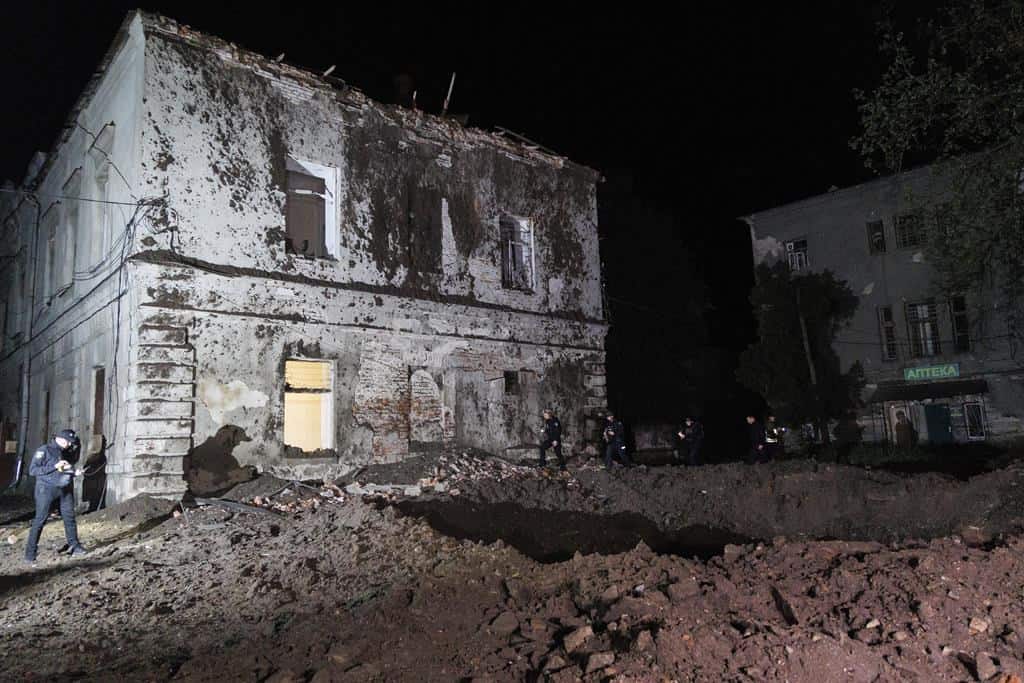
Beyond the direct damage to power plants, the missile strikes have had a profound impact on civilian life. In Kharkiv, Ukraine’s second-largest city, a missile attack damaged a psychiatric hospital, injuring a 53-year-old woman. Images from the attack show extensive damage, including a large crater on the hospital grounds, with patients seeking shelter in corridors.
The disruption of energy supply has led to power outages affecting thousands, complicating daily life and emergency response efforts. Hospitals, schools, and public services are under increased strain as they contend with intermittent electricity and the threat of further attacks.
Authorities continue to emphasize the importance of protecting civilians and maintaining critical infrastructure. The psychological toll of repeated attacks on non-military targets has intensified calls within Ukraine and the international community for enhanced protective measures and humanitarian assistance.
Ukrainian Drone Offensive Hits Southern Russian Targets
In a strategic response to Russia’s missile strikes, Ukrainian forces have intensified their use of drones to strike targets within southern Russia, particularly in the Krasnodar region. Russian defense officials reported intercepting over 60 Ukrainian drones overnight, indicating the scale and persistence of these operations.
Among the targeted sites was the Slavyansk oil refinery, a critical energy asset in the Krasnodar territory. While some fires broke out due to the drone attacks, local authorities reported no casualties or severe damage, suggesting effective emergency responses and air defense measures.
These drone strikes represent a shift in Ukrainian tactics, leveraging unmanned aerial vehicles to penetrate Russian airspace and apply pressure on logistical and energy infrastructure. The counterattacks aim to demonstrate Ukraine’s capacity to retaliate beyond its borders, signaling a broader regional dimension to the conflict.
Russian Air Defense and Countermeasures
Russia’s air defense systems have been actively engaged in repelling Ukrainian drone incursions and missile attacks. The Defense Ministry stated that 66 drones were intercepted over the Krasnodar region, with additional drones shot down in the Moscow-annexed Crimean Peninsula.
The effectiveness of these air defenses is critical for Russia’s ability to protect vital infrastructure and maintain operational stability in contested regions. However, the persistent drone attacks suggest ongoing vulnerabilities and challenges in securing Russian airspace against asymmetric threats.
Russian authorities have increased emergency preparedness and firefighting efforts, especially around energy facilities, to mitigate the effects of Ukrainian strikes. These defensive measures reflect the intensifying nature of the conflict and the evolving tactics employed by both sides.
International Support and Ukraine’s Call for Enhanced Air Defense
Ukraine continues to appeal to its Western allies for increased military aid, particularly advanced air defense systems, to counter the heightened missile and drone threats. At the recent Ukraine Defense Contact Group meeting, U.S. Defense Secretary Lloyd Austin reaffirmed America’s commitment to supplying additional munitions and equipment.
The provision of sophisticated air defense technologies is seen as vital for Ukraine to protect its civilian infrastructure and maintain operational resilience. Western countries are also coordinating intelligence and logistical support to help Ukraine improve its defensive capabilities.
The international community’s response underscores the broader geopolitical stakes of the conflict. Enhanced support for Ukraine aims to deter further Russian aggression while minimizing civilian suffering and infrastructure damage.
Humanitarian Concerns Amidst Escalating Hostilities
The renewed attacks on energy infrastructure and civilian facilities exacerbate the humanitarian crisis in Ukraine. Power outages threaten access to heating, medical care, and clean water, especially as the country approaches warmer months but still faces unpredictable weather conditions.
Displacement and trauma are increasing among affected populations, with hospitals and social services strained to meet growing needs. Human rights organizations have condemned attacks on civilian targets, calling for adherence to international humanitarian law.
Efforts by Ukrainian authorities and international agencies focus on delivering emergency aid, restoring essential services, and ensuring the protection of vulnerable groups. However, ongoing hostilities continue to complicate relief operations and prolong civilian suffering.
Strategic and Geopolitical Implications of the Renewed Conflict
The intensified missile and drone attacks mark a significant escalation in the Russia-Ukraine conflict, highlighting the strategic importance of energy infrastructure in modern warfare. Control and disruption of power supplies have become key tactics to undermine adversary capabilities and morale.
The cross-border nature of Ukrainian drone strikes signals a widening scope of the conflict, potentially drawing increased international attention and complicating diplomatic efforts. Russia’s defensive posture and retaliatory measures indicate a protracted conflict with no immediate resolution in sight.
These developments underscore the fragile security environment in Eastern Europe and raise concerns about broader regional stability. The conflict’s trajectory will likely depend on military dynamics, international support, and diplomatic negotiations moving forward.
Future Prospects and the Path to De-escalation
Looking ahead, the potential for further escalation remains high as both sides continue to target critical infrastructure and attempt to gain tactical advantages. The durability of Ukraine’s air defenses and the effectiveness of Russian countermeasures will influence the conflict’s intensity.
Diplomatic efforts to de-escalate tensions face significant challenges amid ongoing hostilities, but dialogue and humanitarian initiatives remain essential to prevent wider catastrophe. Third-party mediation and adherence to ceasefire agreements could pave the way for eventual conflict resolution.
Sustained international engagement, including military assistance and humanitarian aid, will be crucial in supporting Ukraine’s resilience while encouraging peaceful solutions. The coming months will be critical in determining whether the conflict escalates further or moves toward stabilization.
Conclusion
The renewed missile and drone attacks between Russia and Ukraine represent a troubling escalation in an already protracted conflict. Targeting of critical energy infrastructure not only affects military capabilities but also imposes severe hardships on civilian populations. While Ukraine’s use of drones to strike Russian territory illustrates a shift in tactical dynamics, Russia’s robust air defense responses showcase the evolving nature of modern warfare. International support, particularly in air defense and humanitarian aid, will remain crucial as the conflict continues. Ultimately, a sustainable resolution depends on renewed diplomatic engagement and adherence to international norms to prevent further devastation in the region.