Top Stories
Discovery beneath soccer field reveals massive medieval convent lost for centuries
NEWYou can now listen to Fox News articles! Researchers recently uncovered a long-lost medieval convent in an unusual location in Denmark: a soccer field…
TAMFIS NIG LTDRC 8067447CAC ACTIVEFinima, Bonny Island, Rivers State

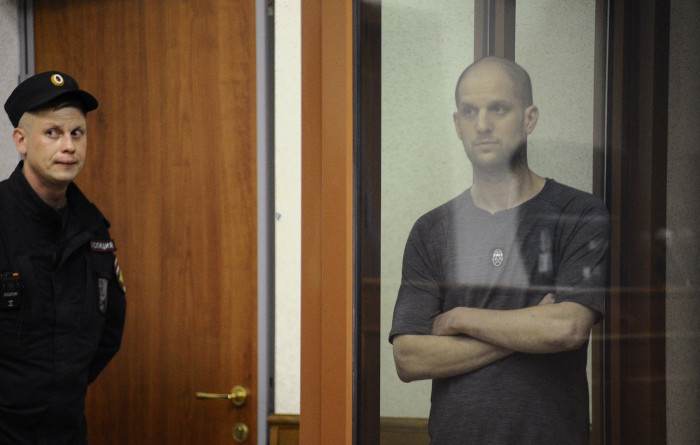
The conviction of Evan Gershkovich, an American reporter for the Wall Street Journal, on espionage charges by a Russian court has sent shockwaves through the international community. Marking the first such case against a US journalist in Russia since the Cold War, the 32-year-old was sentenced to 16 years in prison. The trial, expedited and conducted behind closed doors, has drawn widespread condemnation from press freedom advocates and diplomatic circles. This article delves into the details of the case, the legal proceedings, the geopolitical context, and the broader implications for journalism and US-Russia relations.
Evan Gershkovich, a 32-year-old journalist for the Wall Street Journal, had been reporting from Russia with a focus on business and economic affairs. Known for his in-depth coverage of Russia’s industrial sectors, his work provided valuable insights into the country’s economic landscape amid geopolitical tensions.
Before his arrest, Gershkovich had built a reputation for thorough investigative reporting, often highlighting the impact of Western sanctions on Russian industries. His presence in Russia was seen as vital for shedding light on the complexities of the Russian economy to an international audience.
His arrest in early 2023 marked a significant escalation in the risks faced by foreign journalists in Russia, where press freedom has been increasingly curtailed. Gershkovich’s case became emblematic of the growing hostility toward Western media amid the ongoing conflict in Ukraine.
Russian authorities charged Gershkovich with espionage, accusing him of collecting classified information about a Russian tank manufacturing company allegedly linked to the country’s military efforts in Ukraine. The prosecution claimed he acted under the direction of the US Central Intelligence Agency (CIA).
The trial, held in Yekaterinburg, was notably swift and secretive. With only three hearings conducted behind closed doors, the court reached a verdict within months, an unusually rapid timeline for espionage cases, which typically require extensive investigation and deliberation.
Gershkovich consistently denied all allegations, maintaining that his journalism was lawful and did not involve any espionage activities. His defense and international observers criticized the trial as lacking transparency and due process, labeling it a 'sham' designed to serve political interests.
The conviction sparked an outcry from global press freedom organizations and governments, who condemned the verdict as a direct attack on independent journalism. The Committee to Protect Journalists and Reporters Without Borders called for Gershkovich’s immediate release.
The US government expressed profound disappointment and concern, emphasizing the importance of protecting journalists and warning against the use of espionage charges as a tool to suppress free reporting. Diplomatic efforts intensified to seek Gershkovich’s release and ensure his fair treatment.
This case has intensified fears among foreign correspondents working in Russia, highlighting the increasingly hostile environment where media professionals face legal and physical threats. The verdict is seen as a warning to journalists covering sensitive topics related to Russia’s military and political affairs.
The espionage conviction comes amid heightened tensions between the US and Russia, exacerbated by Russia’s ongoing war in Ukraine and retaliatory sanctions imposed by the West. The case has further strained diplomatic relations and complicated negotiations on various bilateral issues.
Observers suggest that Gershkovich’s rapid trial and sentencing may be linked to broader geopolitical maneuvers, including potential prisoner exchanges. Russia has detained several Americans on similar charges, and this case could be leveraged in diplomatic bargaining.
The Kremlin’s refusal to comment on the possibility of a prisoner swap has left many speculating about behind-the-scenes negotiations. The case underscores how individuals can become pawns in larger geopolitical conflicts, with serious consequences for their personal freedoms.
The harsh sentence handed to Gershkovich sends a chilling message to journalists operating in Russia, particularly foreign correspondents investigating sensitive issues. It underscores the risks of working in an environment where legal systems may be used to stifle independent reporting.
Media experts warn that such cases undermine the principles of press freedom and transparency, essential components of democratic societies. The precedent set by this conviction could discourage investigative journalism and limit the flow of information from within Russia.
Russian authorities have increased restrictions on media outlets, especially those with Western affiliations, further narrowing the space for critical voices. This case highlights the urgent need for international advocacy to protect journalists and uphold media rights in hostile environments.
Legal analysts have criticized the trial for its lack of transparency, citing the closed-door hearings and expedited process as violations of fair trial standards under international law. The absence of publicly available evidence compounds concerns about the legitimacy of the verdict.
Human rights organizations argue that the espionage charges against Gershkovich appear politically motivated, aimed at intimidating foreign journalists and suppressing dissent. They call for international pressure on Russia to adhere to human rights commitments and ensure due process.
The case raises broader questions about the use of espionage accusations against journalists worldwide, a tactic increasingly employed by authoritarian regimes to silence critical reporting and maintain control over information.
Looking ahead, Gershkovich’s legal team is expected to appeal the conviction, although the prospects for success within the Russian judicial system remain uncertain given the political context. International diplomatic efforts will play a crucial role in any potential resolution.
A prisoner exchange involving Gershkovich and other detained Americans has been speculated but remains unconfirmed. Such a development could offer a pathway to his release but would depend on complex negotiations and geopolitical considerations.
Meanwhile, the case continues to draw global attention to the plight of journalists in hostile environments and the urgent need for stronger protections. The outcome will likely influence how foreign correspondents approach reporting from Russia and similar jurisdictions in the future.
The sentencing of Evan Gershkovich marks a troubling chapter in the struggle for press freedom and international justice. His case not only exemplifies the dangers faced by journalists in politically charged environments but also reflects the broader geopolitical tensions between the United States and Russia. As diplomatic efforts continue, the global community must remain vigilant in defending the rights of journalists and upholding the principles of transparency and fairness. The outcome of this case will resonate far beyond Russia’s borders, influencing the future landscape of international journalism and human rights.
Originally reported by bangkokpost.com. Adapted for our readers.
Keep reading
Top Stories
NEWYou can now listen to Fox News articles! Researchers recently uncovered a long-lost medieval convent in an unusual location in Denmark: a soccer field…
News
By Engr. Tamunofiniarisa BrownReading Time: 6 Minutes The conflict between Russia and Ukraine is often framed in the media as a simple battle between…
TAMFIS NIG LTD
Electrical and instrumentation engineering, bid preparation and consulting, IT and software.