
Top Stories
Discovery beneath soccer field reveals massive medieval convent lost for centuries
NEWYou can now listen to Fox News articles! Researchers recently uncovered a long-lost medieval convent in an unusual location in Denmark: a soccer field…
TAMFIS NIG LTDRC 8067447CAC ACTIVEFinima, Bonny Island, Rivers State

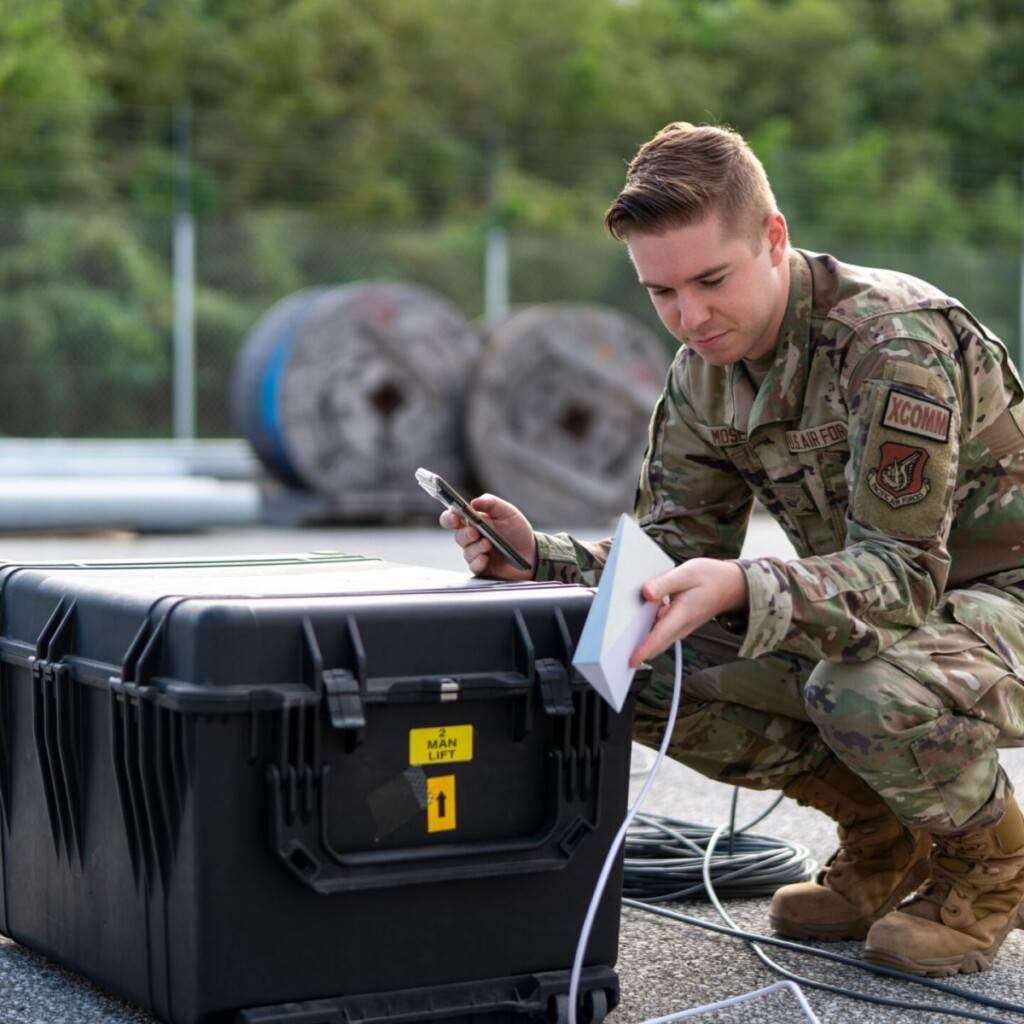
In a landmark move underscoring the critical role of satellite internet in defense communications, the U.S. Department of Defense (DoD) has expanded its commercial satellite internet services program budget to $13 billion. Initially launched with a $900 million ceiling just last year, the Proliferated Low Earth Orbit (PLEO) Satellite-Based Services program has witnessed unprecedented growth due to surging demand from across all military branches. Managed by the Defense Information Systems Agency (DISA) and the Space Systems Command, the program leverages commercial satellite constellations like SpaceX’s Starlink and anticipates future entrants such as Amazon’s Project Kuiper. This article explores the program’s evolution, significance, operational benefits, and its innovative approach to integrating commercial technologies into military communications infrastructure.
The Proliferated Low Earth Orbit (PLEO) Satellite-Based Services program was initiated by the Department of Defense to meet the growing need for reliable, high-speed satellite internet connectivity in military operations. Launched with a $900 million budget ceiling, the program was designed to procure commercial low Earth orbit (LEO) satellite internet services through an Indefinite Delivery Indefinite Quantity (IDIQ) contract. This structure allows the DoD to issue task orders flexibly over a five-year base period with an option to extend for an additional five years.
Originally conceived to supplement traditional military satellite communications, the PLEO program quickly gained traction as the demand for resilient and mobile internet connectivity surged across all branches of the armed forces. The program’s rapid expansion to a $13 billion budget reflects its critical role in modern warfare, where connectivity is indispensable for real-time intelligence, command and control, and situational awareness.
A key milestone in the program’s evolution was the selection of 20 vendors to compete for task orders, fostering a competitive marketplace that drives innovation and cost-effectiveness. This vendor diversity ensures the military can access a broad spectrum of satellite internet capabilities, ranging from commercial products adapted for defense use to emerging technologies yet to enter the market.
The dramatic increase in funding for the PLEO program highlights the Pentagon’s recognition of satellite internet as a strategic asset in modern military operations. High-speed, low-latency connectivity is vital for coordinating complex missions, enabling secure communications, and supporting unmanned systems in contested environments where traditional terrestrial networks are unavailable or vulnerable.
Commercial LEO satellite services like SpaceX’s Starlink offer unique advantages that align with military needs, including rapid deployment, ease of use, and resilience against interference or physical obstructions. These systems provide broadband internet with minimal setup, allowing troops in remote or hostile locations to maintain critical links with command centers and allied forces.
Additionally, leveraging commercial satellite networks reduces the burden on government-owned satellite infrastructure, which can be costly and time-consuming to develop and maintain. The flexibility and scalability of commercial systems enable the DoD to rapidly adapt to evolving operational requirements without being locked into rigid legacy technologies.
SpaceX’s Starlink constellation has emerged as a cornerstone of the PLEO program, with its militarized version, Starshield, tailored to meet defense-grade requirements. Starshield incorporates enhanced security features, encryption, and robust hardware designed to operate reliably in challenging field conditions, making it an ideal solution for military users.
The ease of installation and operation is a significant factor driving Starlink’s adoption within the DoD. Unlike traditional satellite terminals that require specialized training and complex setup, Starlink terminals typically involve a simple plug-and-play process, allowing rapid deployment in dynamic environments.
Starlink’s commercial design inherently provides resilience against obstructions such as foliage and buildings, as well as automatic reconnection capabilities with satellites in case of signal disruptions. This adaptability, originally intended for consumer markets, has proven invaluable for military operations where connectivity reliability is paramount.
The PLEO program’s IDIQ contract model offers the Pentagon significant flexibility by not prescribing rigid technical specifications but allowing vendors to define the most cost-effective and innovative ways to deliver satellite internet services. This market-driven approach encourages competition and technological advancement, benefiting the military with cutting-edge solutions.
DISA and the Space Systems Command have structured the contract to accommodate ongoing technological upgrades, enabling the integration of new satellite capabilities as they become available. This flexibility ensures the DoD can continuously leverage commercial innovation and maintain operational superiority.
Moreover, the consolidation of demand across all military branches under the PLEO contract helps the government negotiate more favorable pricing and terms than would be possible through multiple, fragmented contracts. This unified procurement strategy enhances efficiency and cost-effectiveness.
The PLEO program is not limited to existing providers but is designed to incorporate emerging commercial satellite internet services. Amazon’s Project Kuiper, a planned LEO satellite constellation, is poised to enter the market in the coming years and is expected to compete for task orders under the expanded $13 billion contract ceiling.
This openness to new entrants ensures the military can benefit from a diverse ecosystem of providers, fostering innovation and redundancy. Multiple satellite constellations enhance connectivity resilience by offering alternative pathways for data transmission in case one network faces disruption or degradation.
By embracing a multi-vendor strategy, the DoD reduces the risk of vendor lock-in and enhances its ability to adapt to shifting technological landscapes, ensuring sustained access to next-generation satellite internet capabilities.
The expanded PLEO program significantly improves the military’s operational capabilities by delivering robust, high-speed satellite internet to deployed forces worldwide. This connectivity supports a wide range of applications, from real-time intelligence sharing and remote command control to advanced training simulations and unmanned vehicle operations.
Improved internet access also enhances situational awareness by enabling faster data transmission and collaboration among units, which is critical in dynamic combat environments. It supports secure voice, video, and data communications, reducing latency and increasing mission effectiveness.
Furthermore, the ease of deployment and the reliability of commercial satellite internet services reduce logistical burdens and enable rapid response to emerging threats or humanitarian missions, enhancing overall military readiness and flexibility.
While the PLEO program’s expansion reflects confidence in commercial satellite services, integrating these technologies into military operations presents challenges. Security remains a paramount concern, requiring rigorous encryption and protection against cyber threats to safeguard sensitive communications.
Interoperability with existing military communication systems must be carefully managed to ensure seamless integration and avoid operational disruptions. Additionally, environmental factors such as space weather and potential adversarial interference necessitate robust contingency planning.
The Pentagon continues to work closely with industry partners to address these challenges through ongoing testing, validation, and collaborative development efforts, ensuring that commercial satellite internet services meet stringent defense standards.
The $13 billion investment in the PLEO program signals a broader shift toward leveraging commercial space capabilities to meet defense communication needs. This trend is expected to accelerate as satellite technology advances and new constellations come online.
Future developments may include enhanced satellite payloads with artificial intelligence capabilities, improved encryption methods, and increased integration with terrestrial and airborne networks to create a comprehensive, multi-layered communication infrastructure.
By embracing commercial innovation and fostering flexible contracting models, the Pentagon is positioning itself to maintain a competitive edge in space-based communications, ensuring operational superiority in an increasingly contested and complex global security environment.
The expansion of the Pentagon’s Proliferated Low Earth Orbit Satellite-Based Services program to a $13 billion budget marks a transformative moment in military communications. By embracing commercial satellite internet providers and fostering a flexible, competitive procurement environment, the Department of Defense is enhancing its operational capabilities, resilience, and readiness. This program not only reflects the growing importance of space-based assets in defense strategy but also sets a precedent for future collaborations between the military and commercial space industries. As satellite technology continues to evolve, the PLEO program positions the U.S. military to maintain superiority in an era where connectivity can determine mission success.
Originally reported by spacenews.com. Adapted for our readers.
Keep reading
Top Stories
NEWYou can now listen to Fox News articles! Researchers recently uncovered a long-lost medieval convent in an unusual location in Denmark: a soccer field…
News
By Engr. Tamunofiniarisa BrownReading Time: 6 Minutes The conflict between Russia and Ukraine is often framed in the media as a simple battle between…
TAMFIS NIG LTD
Electrical and instrumentation engineering, bid preparation and consulting, IT and software.