Top Stories
Discovery beneath soccer field reveals massive medieval convent lost for centuries
NEWYou can now listen to Fox News articles! Researchers recently uncovered a long-lost medieval convent in an unusual location in Denmark: a soccer field…
TAMFIS NIG LTDRC 8067447CAC ACTIVEFinima, Bonny Island, Rivers State

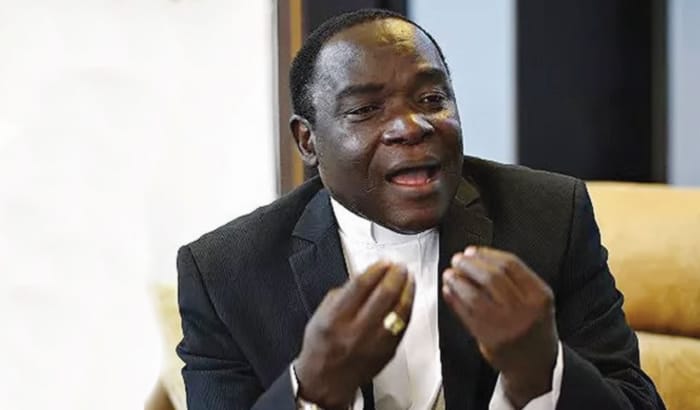
Nigeria, Africa’s most populous nation and a key economic player, continues to grapple with persistent leadership challenges, insecurity, and economic instability. In a recent Easter message, Bishop Matthew Kukah of Sokoto Diocese delivered a sobering critique of Nigerian leadership over the past six decades, describing leaders as stumbling figures overwhelmed by corruption and misgovernance. Beyond criticism, Kukah offers constructive recommendations aimed at steering Nigeria towards national healing, inclusive governance, and sustainable development. This article unpacks his message, explores its implications for Nigerian business and society, and highlights key takeaways for stakeholders in commerce, governance, and civil society.
Bishop Kukah paints a vivid picture of Nigerian leaders over the last 60 years as individuals in a “drunken stupor,” fumbling their way through governance with blurred vision and unclear direction. This metaphor underscores a leadership crisis marked by corruption, indecision, and lack of accountability. The bishop’s critique extends beyond individual failings to systemic issues, describing corruption as a cancer that has spread through the nation’s vital organs, leaving Nigeria in a state of paralysis.
For business leaders and consumers alike, this diagnosis explains many of the challenges faced in the Nigerian market—unpredictable policies, weak institutions, and a lack of trust in governance structures. These factors contribute to economic uncertainty and hamper efforts to attract investment or stabilize markets.
Kukah calls on the Federal Government to develop a robust and clear blueprint for national healing. He emphasizes that Nigeria must learn from past mistakes and choose the “road not taken” to achieve a new dawn. This healing process, he suggests, requires collective effort and hope, signaling that recovery is possible but demands strategic planning and inclusive participation.
For businesses, this proposed healing template could translate into more predictable economic policies, improved infrastructure, and a safer operating environment. It also implies that government actions should foster trust and transparency, which are critical for long-term commercial growth.
One of the bishop’s key recommendations is the adoption of deliberate policies promoting inclusion and merit-based recruitment. He warns against the entrenched culture of nepotism, feudalism, and prebendalism that undermines national cohesion and economic progress. By advocating for transparent recruitment processes, Kukah highlights the need to build patriotism and reverse divisive practices.
This call for inclusivity is particularly relevant for Nigeria’s private sector and public procurement processes. Businesses operating in Nigeria must navigate a complex landscape where favoritism can distort competition. A shift towards meritocracy would enhance fairness, encourage innovation, and improve service delivery across sectors.
Kukah critiques the pervasive role of the military in Nigeria’s civilian governance, describing it as an “octopussean” presence across all states. He questions the sustainability of this arrangement, noting its negative impact on military professionalism and public perception. The bishop stresses that the current security strategy, which includes recruiting untrained vigilante groups and hunters, is ineffective and risks further undermining stability.
For businesses, the security situation is a critical factor affecting investment decisions and operational continuity. Persistent insecurity raises costs, disrupts supply chains, and diminishes consumer confidence. Kukah’s insights suggest that Nigeria needs a more professional, accountable, and strategically focused security apparatus to restore order and enable economic recovery.
He also applauds President Bola Tinubu’s recent declaration that kidnapping and banditry will be treated as acts of terrorism, urging a relentless and implacable approach with clear deadlines to defeat these threats. This shift in policy signals a more serious commitment to tackling insecurity, which could positively impact the business environment if effectively implemented.
The bishop highlights the urgent need for policies that address hunger and economic hardship without simply distributing funds through corrupt channels. He advocates for comprehensive agricultural development to restore dignity and self-sufficiency to Nigerian citizens. This approach aligns with broader economic goals of reducing dependency on imports and creating sustainable livelihoods.
From a commercial perspective, revitalizing agriculture and reducing corruption in aid distribution can stimulate rural economies, increase food security, and expand market opportunities. Businesses involved in agribusiness, logistics, and retail stand to benefit from a more stable and productive agricultural sector.
Kukah stresses that merely handing out money through existing corrupt structures diminishes the dignity of citizens and fails to address root causes. Instead, he calls for enabling people to return to their farms and for the government to develop a comprehensive agricultural strategy that can put Nigeria back on the path of honor and human dignity.
Kukah underscores the importance of transparent communication from government authorities, urging clear timelines and accountability for policy outcomes. He stresses the need to clarify who is responsible for achieving national goals and how progress will be measured.
For business consumers and investors, such clarity is essential for strategic planning and risk assessment. Transparent governance fosters confidence, enabling businesses to make informed decisions and align their operations with national development objectives.
He emphasizes that without a clear communication strategy, expectations remain vague, and public trust erodes, which further impedes national progress.
Bishop Matthew Kukah’s Easter message serves as a powerful reminder of the deep-rooted challenges facing Nigeria while offering a hopeful vision for change. His call for inclusive governance, professional security reforms, and strategic economic policies resonates strongly with both the public and private sectors. For businesses and consumers navigating Nigeria’s complex landscape, these insights highlight the importance of advocating for transparency, meritocracy, and sustainable development. As Nigeria strives to overcome its current difficulties, coordinated efforts between government, civil society, and the business community will be vital to unlocking the nation’s vast potential and securing a prosperous future.
Originally reported by punchng.com. Adapted for our readers with AI assistance.
Keep reading
Top Stories
NEWYou can now listen to Fox News articles! Researchers recently uncovered a long-lost medieval convent in an unusual location in Denmark: a soccer field…
News
By Engr. Tamunofiniarisa BrownReading Time: 6 Minutes The conflict between Russia and Ukraine is often framed in the media as a simple battle between…
TAMFIS NIG LTD
Electrical and instrumentation engineering, bid preparation and consulting, IT and software.