Top Stories
Discovery beneath soccer field reveals massive medieval convent lost for centuries
NEWYou can now listen to Fox News articles! Researchers recently uncovered a long-lost medieval convent in an unusual location in Denmark: a soccer field…
TAMFIS NIG LTDRC 8067447CAC ACTIVEFinima, Bonny Island, Rivers State

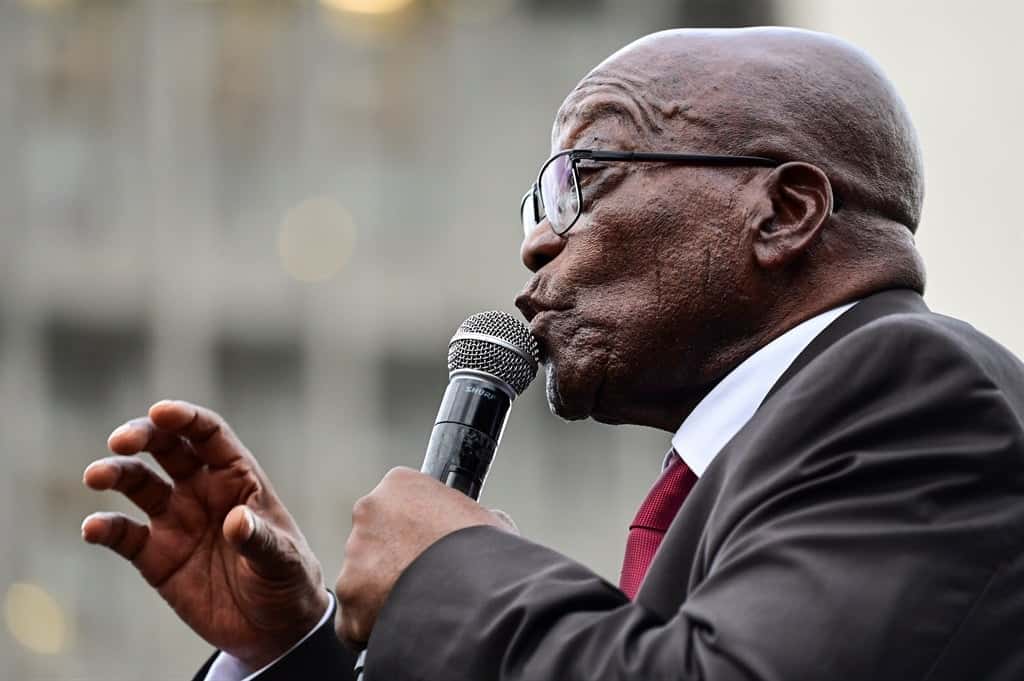
The uMkhonto weSizwe (MK) Movement, a liberation organization with deep historical roots in South Africa’s struggle for freedom, was set to hold two significant rallies in the Eastern Cape province. Scheduled to take place simultaneously in East London and Gqeberha, these events were poised to demonstrate the movement’s continued influence and mobilization capacity. However, both rallies were abruptly cancelled just hours before they were due to begin, raising questions about the underlying causes and potential impact on the MK Movement’s cohesion and public image. This article delves into the circumstances surrounding the cancellations, the internal dynamics within the MK Movement, and what this means for the political landscape in the Eastern Cape and beyond.
The uMkhonto weSizwe (MK) Movement was the armed wing of the African National Congress (ANC) during the apartheid era. Established in 1961, MK played a pivotal role in the fight against racial segregation and oppression, conducting sabotage campaigns and mobilizing resistance across South Africa. Its legacy remains a powerful symbol of liberation and resilience, particularly in provinces like the Eastern Cape, where many freedom fighters originated.
Today, MK operates as a political and social movement aimed at preserving the ideals of the liberation struggle, while engaging in contemporary socio-political issues. Its rallies and events are often seen as platforms to galvanize support, address community concerns, and uphold the memory of those who sacrificed for South Africa’s freedom.
Given this historical and symbolic importance, any disruption or cancellation of MK events, especially in key regions like the Eastern Cape, draws significant attention. The recent cancellation of two major rallies highlights ongoing challenges within the movement and the complex political environment it navigates.
The rallies were scheduled for Saturday at two prominent venues: NU2 Stadium in Gqeberha and GNF Auditorium in East London. Both locations were chosen for their strategic significance and capacity to host large gatherings, reflecting the MK Movement’s intent to reach broad audiences in the Eastern Cape.
Social media platforms and local networks had circulated posters announcing that Jacob Zuma, the MK Movement chief and former President of South Africa, would address both rallies. Zuma’s involvement was expected to draw considerable attention, given his controversial yet influential status in South African politics.
The simultaneous scheduling of rallies in two different cities on the same day suggested a coordinated effort to maximize outreach and demonstrate the movement’s organizational strength. This made the subsequent cancellation even more surprising and noteworthy.
Reports indicate that the decision to cancel the rallies was made at the eleventh hour, with no official explanation provided immediately. This sudden change fueled speculation about internal disagreements and logistical challenges within the MK Movement’s ranks.
Some insiders suggest that divisions within the movement, possibly related to leadership disputes or differing strategic visions, played a role in the cancellations. The presence of multiple factions vying for influence could have complicated the planning and execution of the rallies.
Additionally, concerns over security and public safety may have contributed to the decision. With Jacob Zuma’s involvement, heightened political tensions and potential protests could have made the events riskier to hold without sufficient preparation.
The MK Movement, like many political organizations, faces internal challenges that can affect its unity and effectiveness. Recent developments suggest that factions with competing agendas have emerged, particularly in the Eastern Cape region.
These divisions may stem from differing interpretations of the movement’s role in contemporary South Africa, leadership rivalries, and disagreements over the direction of upcoming political engagements. Such fractures can undermine the movement’s ability to present a cohesive front.
The cancellation of the rallies underscores these tensions, as coordinated public events require consensus and collaboration. The inability to proceed with the planned gatherings raises concerns about the MK Movement’s internal stability and its capacity to mobilize supporters effectively.
The Eastern Cape has historically been a stronghold for liberation movements and remains a critical arena for political mobilization. The MK Movement’s activities in this province carry symbolic and practical significance for local and national politics.
The cancellation of the rallies may affect the movement’s credibility and influence among its base in the region. Supporters who anticipated hearing from Jacob Zuma and other leaders might feel disappointed or disillusioned, potentially weakening grassroots engagement.
Moreover, the disruption opens space for rival political groups to assert themselves, potentially altering the balance of power in the Eastern Cape. The MK Movement will need to address these challenges to maintain relevance and authority in this competitive political environment.
The abrupt cancellation sparked varied reactions from the public and media outlets. Some viewed it as a sign of organizational weakness, while others interpreted it as a strategic retreat in the face of logistical or security concerns.
News24 and other media platforms highlighted the cancellations as indicative of deeper issues within the MK Movement, prompting analysis and commentary on the movement’s future trajectory. Social media discussions reflected a mix of disappointment, skepticism, and calls for transparency from the leadership.
The media coverage also emphasized the importance of clear communication from the MK Movement to its supporters, stressing that unexplained cancellations can damage trust and hinder effective mobilization.
The MK Movement’s challenges mirror broader trends in South African politics, where liberation-era organizations grapple with maintaining relevance amid changing social and political dynamics. The cancellations highlight the difficulties of balancing historical legacy with contemporary demands.
For South Africa’s democratic future, the ability of movements like MK to adapt, unify, and engage constructively with citizens is crucial. Their influence can shape public discourse, policy priorities, and grassroots activism.
The Eastern Cape rallies’ cancellation serves as a reminder that political organizations must prioritize cohesion, transparency, and effective communication to sustain their impact and contribute positively to nation-building.
In response to the cancellations, the MK Movement faces a critical juncture. Rebuilding trust among supporters and resolving internal disputes will be essential to restore credibility and operational capacity.
Strategic planning and inclusive dialogue within the movement can help address factionalism and align members around shared goals. Transparent communication about future events and decisions will also be key in maintaining public confidence.
Ultimately, the MK Movement’s ability to navigate these challenges will determine its role in South Africa’s evolving political landscape and its capacity to honor its liberation legacy while addressing contemporary issues.
The unexpected cancellation of two major MK Movement rallies in the Eastern Cape shines a spotlight on the internal challenges facing this historic organization. While the reasons behind the cancellations point to divisions and logistical concerns, the broader implications extend to the movement’s future role in South Africa’s political landscape. Moving forward, the MK Movement must prioritize unity, transparency, and strategic engagement to rebuild its standing and continue its legacy of advocating for social justice and democratic participation. The Eastern Cape, as a key political battleground, will be a critical test of the movement’s resilience and relevance in the years to come.
Originally reported by news24.com. Adapted for our readers.
Keep reading
Top Stories
NEWYou can now listen to Fox News articles! Researchers recently uncovered a long-lost medieval convent in an unusual location in Denmark: a soccer field…
News
By Engr. Tamunofiniarisa BrownReading Time: 6 Minutes The conflict between Russia and Ukraine is often framed in the media as a simple battle between…
TAMFIS NIG LTD
Electrical and instrumentation engineering, bid preparation and consulting, IT and software.