
Top Stories
KFF Health News’ ‘What the Health?’: The Supreme Court and the Abortion Pill
Since the Supreme Court overturned Roe v. Wade in 2022, the landscape of abortion rights in the United S...
TAMFIS NIG LTDRC 8067447CAC ACTIVEFinima, Bonny Island, Rivers State

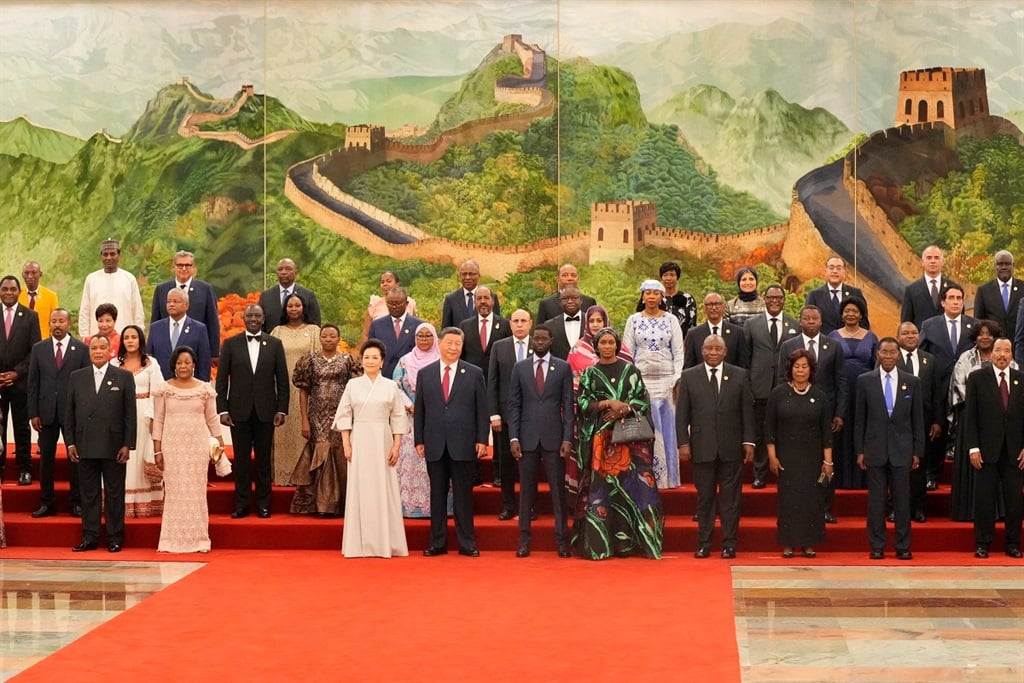
In September 2024, the Great Hall of the People in Beijing hosted the much-anticipated Forum on China-Africa Cooperation (FOCAC), an event symbolising the deep-rooted and evolving partnership between China and African nations. Chinese President Xi Jinping, alongside his wife Peng Liyuan, warmly welcomed African leaders, emphasizing a shared history of solidarity and mutual development. As geopolitical dynamics shift globally, Xi's message was clear: China remains a steadfast friend and partner to Africa, committed to advancing joint prosperity through collaboration such as the Belt and Road Initiative. This article delves into the significance of Xi's address, the achievements of the China-Africa partnership, and the broader implications for the continent's future.
President Xi Jinping highlighted the long-standing camaraderie between China and Africa, tracing back to the mid-20th century when both regions confronted imperialism, colonialism, and hegemonism. This shared struggle laid the groundwork for a partnership built on respect, equality, and mutual support, distinguishing it from traditional North-South relations.
Throughout decades, China and African countries have stood ‘shoulder-to-shoulder’ in numerous international platforms, advocating for sovereignty, development rights, and fair representation. This historical alliance fosters a sense of trust and common destiny that underpins current diplomatic and economic engagements.
The Forum on China-Africa Cooperation, established 24 years ago, institutionalized this relationship, providing a structured platform to deepen cooperation across political, economic, social, and cultural spheres, reflecting a partnership that transcends mere transactional ties.
The 2024 FOCAC summit marked a pivotal moment as African leaders gathered in Beijing to discuss comprehensive strategies for collaboration amid a rapidly changing global landscape. Xi’s welcoming remarks underscored China’s unwavering commitment to Africa, regardless of external geopolitical pressures.
Notably, the summit saw a high turnout of African heads of state arriving early for bilateral discussions, signaling the importance African nations place on their relationship with China. This contrasts with the relatively low engagement at other forums like the Indonesia Africa Forum, which many leaders notably snubbed.
Xi emphasized that China’s partnership with Africa is not opportunistic but rooted in genuine friendship and shared goals. He reiterated that with the exception of Eswatini, which recognises Taiwan, all African countries are considered close allies, highlighting China's respect for Africa’s sovereignty and unity.
One of the flagship elements of China-Africa cooperation is the Belt and Road Initiative (BRI), which has been instrumental in transforming Africa’s infrastructure over the past 24 years. President Xi proudly recounted the tangible benefits resulting from this collaboration, including roads, railways, hospitals, schools, industrial parks, and special economic zones.
These infrastructure projects have not only improved connectivity and access to essential services but have also stimulated economic growth, job creation, and regional integration. The BRI’s emphasis on sustainable development aligns with many African countries’ national development plans, fostering long-term growth.
Despite criticism from some Western observers who view the BRI with skepticism, many African leaders appreciate the initiative’s role in accelerating modernization and industrialization efforts. This pragmatic approach by China has helped solidify its position as a key development partner on the continent.
Since assuming office, President Xi has made Africa a priority in China’s foreign policy, having visited 10 African countries and hosted numerous African leaders in Beijing. These high-level exchanges demonstrate China’s intent to deepen bilateral ties and promote people-to-people connections.
In contrast, other global powers have shown limited engagement. For example, US President Joe Biden has yet to visit any African country during his term, while his Vice President Kamala Harris has made limited trips. Meanwhile, Russian President Vladimir Putin has visited six African nations since 2000, reflecting a growing multipolar competition for influence on the continent.
China’s proactive diplomacy underscores a strategic vision that views Africa as a crucial partner for sustainable development, global governance reform, and economic cooperation, distinguishing it from traditional donor-recipient paradigms.
The attendance patterns at recent international forums reveal Africa’s preference for engagement with China. The Indonesia Africa Forum, held shortly before FOCAC 2024, was largely bypassed by African heads of state, who instead chose to attend the Beijing summit. This signals a strong vote of confidence in China’s approach and commitment.
African leaders value the tangible outcomes and respect for sovereignty that China offers, contrasting with Western conditionalities and geopolitical agendas. The preference also reflects Africa’s desire for diversified partnerships that support its development aspirations without compromising autonomy.
This trend is significant in the context of global competition for influence in Africa, illustrating how China’s comprehensive and respectful partnership model resonates deeply with African governments and citizens alike.
During his FOCAC address, Xi emphasized the importance of China and African nations working together to amplify the voice of the Global South on international platforms. This collaboration seeks to promote equitable development, reform global governance structures, and advance common interests.
By coordinating policies on major international and regional issues, China and Africa have forged a united front that challenges the dominance of traditional Western powers. This cooperation fosters solidarity among developing countries and advocates for a more balanced and just global order.
The partnership’s success in elevating the Global South’s influence also inspires other regions to pursue similar models of cooperation, reinforcing the idea that inclusive development and shared prosperity are attainable goals.
While China-Africa relations have flourished, challenges remain, including concerns about debt sustainability, environmental impacts, and ensuring local community benefits from projects. Both sides acknowledge these issues and are increasingly emphasizing transparency, sustainability, and mutual respect.
The evolving geopolitical landscape also presents complexities, as Africa navigates relationships with multiple global powers. China’s continued engagement will likely focus on deepening economic integration, fostering innovation, and supporting Africa’s green transition.
Looking ahead, the 2024 FOCAC summit sets the stage for enhanced cooperation in technology transfer, health, education, and climate resilience, ensuring that the partnership evolves to meet the aspirations of future generations.
The 2024 Forum on China-Africa Cooperation showcased a robust and evolving partnership that transcends conventional international relations. President Xi Jinping’s address encapsulated decades of solidarity, tangible development achievements, and a shared vision for the future. As Africa continues its journey towards modernization and prosperity, China remains a committed ally, offering a model of cooperation based on equality, respect, and mutual benefit. While challenges exist, the foundation laid by past successes and renewed commitments at FOCAC 2024 promise a dynamic and fruitful China-Africa relationship for years to come.
Originally reported by news24.com. Adapted for our readers.
Keep reading
Top Stories
Since the Supreme Court overturned Roe v. Wade in 2022, the landscape of abortion rights in the United S...
Top Stories
Top Stories Tamfitronics One evening in May, nursing assistant Debra Ragoonanan’s vision blurred during her shift at a state-run Massachusetts vet...
Top Stories
2:54 PM Saudi Arabia shouldn’t be part of Iran-U.S. war, Turkish foreign minister says Turkish Foreign Minister Hakan Fidan spoke out Saturday about…
TAMFIS NIG LTD
Electrical and instrumentation engineering, bid preparation and consulting, IT and software.