Top Stories
Discovery beneath soccer field reveals massive medieval convent lost for centuries
NEWYou can now listen to Fox News articles! Researchers recently uncovered a long-lost medieval convent in an unusual location in Denmark: a soccer field…
TAMFIS NIG LTDRC 8067447CAC ACTIVEFinima, Bonny Island, Rivers State

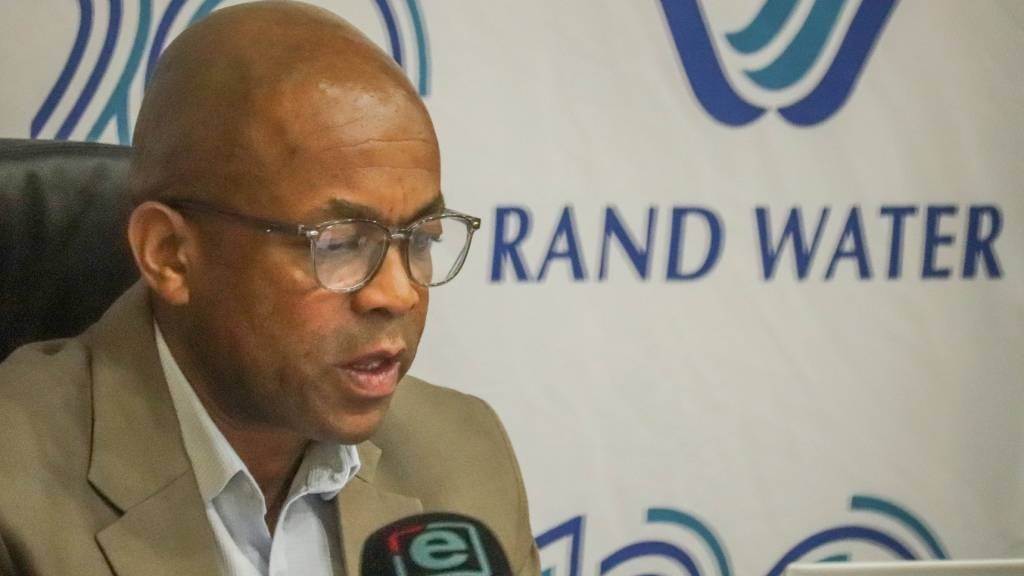
Water supply interruptions are inevitable during essential infrastructure maintenance, and residents of Sandton, Midrand, and Tshwane are bracing for such disruptions as Rand Water embarks on the second phase of its maintenance on the Palmiet pump station. This vital facility plays a key role in bulk water provision across Johannesburg, Ekurhuleni, Tshwane, and Madibeng, meaning the maintenance will have widespread effects. With water demand steadily increasing and reservoirs running low, the upcoming outages highlight the pressing need for water conservation and infrastructure upgrades in Gauteng. This article delves into the scope of the maintenance, its impact on affected communities, and the anticipated timeline for recovery.
Rand Water commenced the second phase of an extensive maintenance program on the Palmiet pump station, a crucial hub in Gauteng’s water supply network. Starting on July 15, pumping capacity at the station was reduced to 68%, a significant decrease that is expected to last approximately 50 hours. This reduction inevitably affects downstream water distribution systems across multiple municipalities, including Johannesburg, Ekurhuleni, Tshwane, and Madibeng.
The Palmiet pump station is responsible for supplying bulk water to a large industrial and residential customer base. Its operational efficiency directly influences water availability in key urban centers such as Sandton and Midrand. The scheduled maintenance is essential to ensure the long-term reliability and safety of the water supply infrastructure, preventing unplanned breakdowns that could result in even more severe outages.
While necessary, this maintenance comes at a challenging time. Water demand in these regions remains high, and many reservoirs are running below their ideal storage levels. As a result, the temporary reduction in pumping capacity has heightened concerns among residents and businesses about the availability and continuity of water supply during the maintenance period.
The maintenance particularly impacts the water systems serving Sandton and Midrand, two rapidly growing urban nodes with substantial residential and commercial water needs. These areas have already experienced supply challenges in recent months, with the Midrand system undergoing upgrades to bolster capacity. Despite these improvements, the current maintenance has forced a reduction in pumping that stresses the system further.
In Sandton, the disruption is acutely felt due to the low reservoir levels and high consumption rates. Notably, in December 2023, a water outage forced the temporary closure of Sandton City mall’s restrooms and strained local hospitals’ water reserves. This history underscores the vulnerability of the area’s water infrastructure and the importance of the ongoing maintenance.
Tshwane’s water supply is also affected, with three bulk water meters—Willow Acres, Kwagga, and Nellmapius—experiencing reduced flows. These meters serve several regions within the city, including Regions 1, 2, 3, 4, and 6. The City of Tshwane has proactively filled reservoirs to maximum capacity ahead of the maintenance, yet residents are advised to use water sparingly to mitigate the impact of potential supply interruptions.
One of the critical challenges highlighted during this maintenance period is the insufficient reservoir capacity relative to the high demand. According to Johannesburg Water operational manager Gugulethu Quma, the water systems no longer meet the ideal 24 to 48-hour retention capacity standard. This standard is vital for maintaining uninterrupted supply during supply disruptions or maintenance activities.
The depletion of reservoir reserves means that once the pumping capacity is reduced, the system cannot rely on stored water to buffer the demand. This scenario increases the risk of outages and slow recovery once maintenance is completed. The reservoirs in Sandton and Midrand, in particular, require time to rebuild their capacity after being emptied, potentially prolonging the restoration of normal supply levels.
The ongoing maintenance thus exposes the broader infrastructural issues facing Gauteng’s water systems, emphasizing the need for increased investment in reservoir capacity and system upgrades to meet the growing population’s water demands sustainably.
The scheduled water outages pose significant challenges for residents, businesses, and essential services in the affected areas. Hospitals, schools, and commercial establishments rely heavily on consistent water supply for daily operations, sanitation, and hygiene. The temporary disruption could strain these services and require contingency planning.
In response, the City of Tshwane and Johannesburg Water have issued advisories urging water conservation. Residents are encouraged to minimize water use, avoid non-essential activities such as garden watering, and store water where possible before the outages begin. These measures aim to lessen the strain on the system and help maintain essential services during the maintenance period.
Businesses in Sandton and Midrand, especially those in the hospitality and retail sectors, are also preparing for potential water shortages by implementing water-saving protocols and communicating proactively with customers. These coordinated efforts highlight the community’s resilience and adaptability in facing infrastructure challenges.
The second phase of maintenance is scheduled to span approximately 50 hours, beginning on July 15. Following this, a third and final phase is planned to start on July 29, during which pumping capacity will again be reduced, this time to 76% for about 40 hours. These staggered reductions are designed to balance the need for maintenance with minimizing disruption.
Full recovery of the water supply systems is not expected immediately after the maintenance concludes. Johannesburg Water has indicated that it may take several days for the reservoirs, particularly in Sandton and Midrand, to refill and restore normal water pressure. The recovery period depends on factors such as rainfall, demand levels, and operational efficiency post-maintenance.
Residents should thus prepare for intermittent low pressure or outages even after the maintenance window closes. Continued water-saving efforts remain critical during this recovery phase to support system stabilization and prevent further strain on the network.
The current maintenance schedule is part of a broader strategy by Rand Water and local municipalities to upgrade and modernize Gauteng’s water infrastructure. These efforts include enhancing pump station reliability, expanding reservoir capacity, and upgrading pipelines to reduce losses and improve efficiency.
Johannesburg Water’s recent tours and public communication campaigns have aimed to raise awareness about these improvements and the challenges posed by increasing urban water demand. The goal is to build a more resilient water supply system capable of supporting the region’s growth sustainably.
Looking ahead, investments in smart water management technologies and alternative water sources, such as groundwater and recycled water, are expected to complement infrastructure upgrades. These initiatives will be critical in addressing the water security challenges facing Sandton, Midrand, Tshwane, and the broader Gauteng province.
As Rand Water undertakes these essential maintenance activities, the role of individual and community water conservation cannot be overstated. Reduced pumping capacity and depleted reservoirs mean every drop saved helps maintain supply to vulnerable areas and critical services.
Simple actions such as fixing leaks, limiting outdoor water use, and using water-efficient appliances can collectively make a significant difference during this period. Public awareness campaigns by local authorities emphasize responsible water use to mitigate the impacts of outages.
Moreover, fostering a culture of water conservation will benefit Gauteng beyond the maintenance window, contributing to long-term sustainability and resilience against future supply challenges caused by climate variability and urban expansion.
The scheduled water outages in Sandton, Midrand, and Tshwane due to Rand Water’s maintenance on the Palmiet pump station underscore the delicate balance between maintaining vital infrastructure and ensuring continuous water supply to rapidly growing urban areas. While the maintenance is crucial for the long-term sustainability of Gauteng’s water network, it brings immediate challenges that require community cooperation and proactive conservation efforts. The phased approach to maintenance and the efforts by local authorities to prepare reservoirs reflect a commitment to minimizing disruption. However, these events highlight the pressing need for continued investment in water infrastructure and public awareness to secure Gauteng’s water future amidst increasing demand and environmental pressures.
Originally reported by news24.com. Adapted for our readers.
Keep reading
Top Stories
NEWYou can now listen to Fox News articles! Researchers recently uncovered a long-lost medieval convent in an unusual location in Denmark: a soccer field…
News
By Engr. Tamunofiniarisa BrownReading Time: 6 Minutes The conflict between Russia and Ukraine is often framed in the media as a simple battle between…
TAMFIS NIG LTD
Electrical and instrumentation engineering, bid preparation and consulting, IT and software.