Top Stories
Discovery beneath soccer field reveals massive medieval convent lost for centuries
NEWYou can now listen to Fox News articles! Researchers recently uncovered a long-lost medieval convent in an unusual location in Denmark: a soccer field…
TAMFIS NIG LTDRC 8067447CAC ACTIVEFinima, Bonny Island, Rivers State

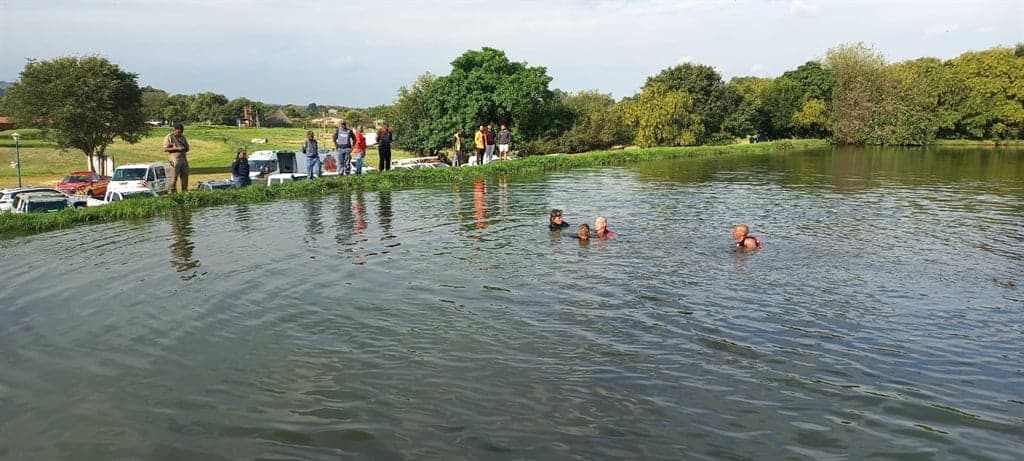
On a somber Monday afternoon in Centurion, two boys aged between 13 and 16 from Daveyton Skills College lost their lives after drowning in a dam located at a private camping site near the Hennops River. The tragedy unfolded during a school time out while the boys were part of a faculty tour. The incident, confirmed by the City of Tshwane’s emergency services spokesperson Charles Mabaso, has sparked widespread grief and calls for enhanced safety protocols during school outings, particularly around water bodies.
The two boys were attending a faculty tour organized by Daveyton Skills College, based in Benoni. During a scheduled time out, the students were allowed to explore and engage in recreational activities at a private camping site that features an artificial dam near the Hennops River. It was during this period that the boys entered the dam and tragically drowned.
Emergency services from the City of Tshwane were alerted promptly and responded to the scene. Despite immediate rescue efforts, the boys could not be saved. The exact circumstances leading to the drowning remain under investigation, with authorities examining whether adequate supervision and safety measures were in place during the excursion.
This heartbreaking event has not only affected the families and school community but also raised urgent questions about the safety protocols for school outings involving water bodies. It highlights the vulnerabilities children face during recreational activities without sufficient oversight.
The City of Tshwane’s emergency services department was quick to respond to the distress call regarding the drowning incident. Their presence at the scene was crucial in attempting immediate rescue and recovery operations. Emergency responders worked diligently to locate and retrieve the boys from the dam.
Despite their swift and professional intervention, the boys were pronounced dead, underscoring the tragic nature of drowning incidents and the critical importance of preventive safety measures. This incident serves as a reminder of the challenges rescuers face during water-related emergencies, especially in artificial water bodies that may have hidden dangers.
The emergency services spokesperson, Charles Mabaso, emphasized the need for community awareness and the reinforcement of safety guidelines when engaging in activities near water, particularly for young children and teenagers.
School excursions are valuable educational and recreational experiences, but they also come with inherent risks, particularly when water bodies are involved. This recent tragedy calls for a thorough review of existing safety protocols implemented during such outings. Schools must ensure that all risk factors are assessed before allowing students to participate.
Key safety measures include adequate adult supervision ratios, clear boundaries for students, availability of life-saving equipment, and pre-activity safety briefings. Additionally, staff should be trained in basic water rescue and first aid to respond effectively in emergencies.
Parents and educators alike are urging institutions to adopt stricter guidelines and better risk management to prevent similar incidents. This includes selecting safer venues for excursions and ensuring all water-based activities comply with recognized safety standards.
Artificial dams, such as the one where the incident occurred, can pose unique hazards. Unlike natural bodies of water, these dams may have unpredictable depths, submerged objects, and cold temperatures, all of which increase the risk of drowning. The water’s murky appearance can also make it difficult to see dangers lurking beneath the surface.
Visitors to such sites, especially children, may underestimate the risks due to the seemingly calm and controlled environment. This false sense of security can lead to risky behavior, such as swimming without supervision or entering restricted areas.
It is essential that property owners and event organizers clearly mark hazardous areas, provide adequate safety signage, and restrict access where necessary. Public education about the dangers of artificial and natural water bodies is equally important to prevent future tragedies.
The drowning of the two boys has deeply affected the Daveyton Skills College community, prompting an outpouring of grief and calls for solidarity. School officials have expressed their condolences to the families and are offering counseling services to students and staff impacted by the loss.
Community leaders and local authorities have also emphasized the importance of collective responsibility in safeguarding children during school activities. There is a renewed focus on collaboration between schools, parents, and emergency services to enhance safety awareness and preparedness.
Additionally, discussions are underway about implementing stricter regulations for school excursions, including mandatory risk assessments and safety audits of excursion sites to protect learners from preventable accidents.
In the aftermath of the drowning, legal scrutiny may follow regarding the adequacy of supervision and safety measures during the school excursion. Schools and private venues hosting such events could face investigations to determine liability and compliance with safety legislation.
South African laws mandate that schools uphold a duty of care to protect learners during all school-related activities. Failure to implement reasonable safety precautions can result in legal consequences, including negligence claims.
This incident may prompt regulatory bodies to review and strengthen policies governing school outings and recreational venues. Enhanced enforcement and clearer guidelines could help prevent future tragedies and ensure all stakeholders understand their responsibilities.
Preventing drowning requires a multifaceted approach involving education, supervision, and environmental safety. Schools should prioritize water safety education, teaching learners about the risks associated with swimming and water play, especially in unfamiliar environments.
Supervision must be vigilant and proactive, with designated adults trained in water safety and emergency response. Lifeguards or trained personnel should be present during activities near water whenever possible.
Furthermore, venues hosting school groups should conduct thorough safety assessments, maintain clear signage, and provide life-saving equipment like life jackets and rescue ropes. Collaboration between schools, parents, and emergency services is essential to foster a culture of safety.
The tragic drowning of two boys in Centurion serves as a painful reminder of the vulnerabilities children face during school outings. Moving forward, all stakeholders must commit to creating safer environments that prioritize learner welfare without compromising the educational and recreational value of excursions.
This involves not only revising safety protocols but also investing in training, infrastructure, and awareness campaigns that empower learners and educators alike. Schools should partner with local emergency services to develop comprehensive safety plans tailored to each excursion site.
By learning from this incident and taking decisive action, communities can honor the memories of the lost boys by ensuring future generations enjoy school activities in safe and secure settings.
The drowning of two young boys during a school time out in Centurion is a tragic event that has deeply affected the local community and highlighted significant gaps in safety during school excursions. It serves as a stark reminder of the importance of rigorous safety protocols, vigilant supervision, and comprehensive education about water risks. As investigations continue and healing begins, there is an urgent call to action for schools, parents, authorities, and venue operators to work together to safeguard children during recreational activities. By adopting best practices and fostering a culture of safety, future tragedies can be averted, ensuring that educational outings remain enriching and secure experiences for all learners.
Originally reported by news24.com. Adapted for our readers.
Keep reading
Top Stories
NEWYou can now listen to Fox News articles! Researchers recently uncovered a long-lost medieval convent in an unusual location in Denmark: a soccer field…
News
By Engr. Tamunofiniarisa BrownReading Time: 6 Minutes The conflict between Russia and Ukraine is often framed in the media as a simple battle between…
TAMFIS NIG LTD
Electrical and instrumentation engineering, bid preparation and consulting, IT and software.