
Top Stories
KFF Health News’ ‘What the Health?’: The Supreme Court and the Abortion Pill
Since the Supreme Court overturned Roe v. Wade in 2022, the landscape of abortion rights in the United S...
TAMFIS NIG LTDRC 8067447CAC ACTIVEFinima, Bonny Island, Rivers State

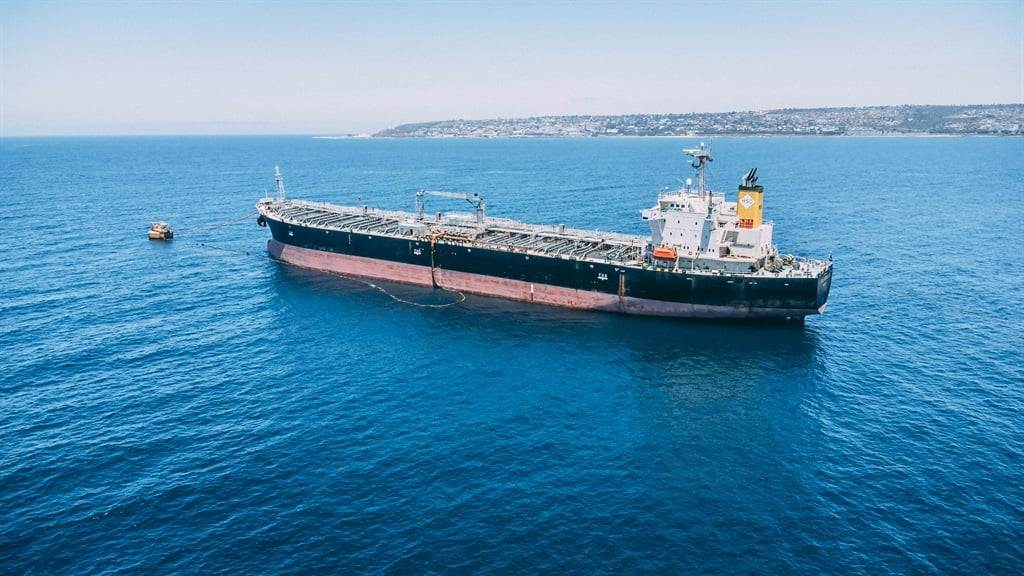
The Transnet National Ports Authority (TNPA) has recently taken a decisive step towards improving fuel handling operations at the Port of Mossel Bay by issuing a Request for Information (RFI) to attract potential operators. This initiative focuses on the refurbishment, financing, operation, and maintenance of marine loading facilities, specifically the single-point mooring (SPM) and conventional buoy mooring (CBM) systems. As the smallest commercial port in South Africa, Mossel Bay plays a crucial role in handling petroleum and fish products, and this development is poised to enhance its operational capabilities significantly. This article explores the background, significance, and potential impact of TNPA’s move, outlining the opportunities and challenges involved in securing efficient fuel handling services at Mossel Bay.
Mossel Bay Port, located along South Africa’s southern coastline, is the smallest among the country’s commercial ports. Despite its size, the port serves as a vital hub for the handling and export of petroleum products and fishery commodities. Its strategic coastal position supports regional economic activities, including tourism and maritime trade.
The port’s role extends beyond cargo handling; it also functions as a port of call for cruise vessels, contributing to local tourism and economic diversification. The presence of key infrastructure like the single-point mooring (SPM) and conventional buoy mooring (CBM) enhances its capability to service liquid bulk cargo, particularly petroleum products such as diesel and petrol.
Given its multifaceted role, the port requires continuous upgrades and efficient operational management to meet growing demands while ensuring safety and environmental compliance. TNPA’s recent RFI issuance signals a commitment to modernizing the port’s fuel handling infrastructure and operational standards.
The Request for Information issued by TNPA is a preliminary step aimed at gathering insights from potential operators interested in managing the fuel handling facilities at Mossel Bay. The RFI specifically targets the refurbishment, financing, operation, and maintenance of the port’s SPM and CBM marine loading infrastructure.
An RFI allows TNPA to assess the capabilities, resources, and innovative solutions offered by various industry players before formal tender invitations are issued. It ensures that the authority selects operators who can efficiently handle liquid bulk cargo, maintain safety standards, and contribute to sustainable port operations.
This transparent and consultative approach aligns with TNPA’s strategic objectives of enhancing port efficiency, reducing operational risks, and fostering partnerships that support South Africa’s broader energy and maritime sectors.
Single-point mooring (SPM) and conventional buoy mooring (CBM) systems are critical components of marine loading infrastructure. They facilitate the safe transfer of liquid bulk cargo between vessels and shore-based storage facilities, minimizing risks associated with fuel handling operations.
The existing mooring systems at Mossel Bay require refurbishment to meet contemporary safety and environmental standards. Upgrading these facilities will improve operational reliability, reduce downtime, and enhance capacity to handle larger volumes of petroleum products.
Enhanced mooring infrastructure will also mitigate environmental risks such as oil spills and marine pollution. This is vital given the port’s proximity to ecologically sensitive coastal areas and its role in supporting sustainable maritime operations.
Potential operators responding to TNPA’s RFI will be responsible for a range of critical functions, including the refurbishment, financing, operation, and maintenance of marine loading facilities. Their expertise will directly influence the port’s ability to handle liquid bulk cargo safely and efficiently.
Operators must demonstrate technological competence, financial stability, and a commitment to environmental and safety standards. Their role will encompass routine equipment maintenance, emergency response readiness, and compliance with regulatory frameworks governing petroleum product handling.
The selection of capable operators will foster innovation and operational excellence, ensuring that Mossel Bay Port remains competitive and capable of meeting the evolving demands of South Africa’s energy and maritime sectors.
Upgrading fuel handling operations at Mossel Bay has significant economic implications. Improved infrastructure will boost the port’s throughput capacity, supporting local industries and enhancing trade volumes. This can lead to job creation and increased economic activity in the region.
Efficient fuel handling also contributes to South Africa’s energy security by ensuring reliable storage and distribution of petroleum products. The port’s enhanced capabilities will support national energy supply chains and reduce logistical bottlenecks.
Environmentally, modernized mooring systems and operational protocols will reduce the risk of spills and contamination. This protects marine biodiversity and aligns with South Africa’s commitments to sustainable development and environmental stewardship.
While the RFI marks a positive step, several challenges must be addressed to realize its full benefits. These include securing adequate financing for refurbishment projects, selecting operators with proven track records, and ensuring regulatory compliance throughout the process.
Stakeholder coordination is critical, involving port authorities, government agencies, environmental bodies, and local communities. Transparent communication and effective project management will help mitigate risks related to delays or operational disruptions.
Additionally, adapting to evolving industry standards and integrating technological advancements will require ongoing investment and capacity building among operators and TNPA personnel alike.
TNPA’s initiative to find operators for fuel handling at Mossel Bay aligns with its broader strategic vision of modernizing South Africa’s port infrastructure to support economic growth and global competitiveness. The successful refurbishment and operation of the port’s marine loading facilities will serve as a model for other smaller ports.
Looking ahead, Mossel Bay Port has the potential to expand its role in liquid bulk cargo handling, tourism, and regional trade. Investments in infrastructure and operational excellence can attract new business opportunities and partnerships, fostering sustainable development.
TNPA’s proactive approach through the RFI process underscores its commitment to continuous improvement, innovation, and collaboration with private sector stakeholders to enhance South Africa’s maritime logistics landscape.
The Transnet National Ports Authority’s decision to issue a Request for Information for operators to manage fuel handling facilities at Mossel Bay marks a significant milestone in South Africa’s maritime sector. By focusing on the refurbishment and efficient operation of single-point and conventional buoy mooring systems, TNPA aims to enhance the port’s capacity to handle liquid bulk cargo safely and sustainably. This initiative not only supports the local economy of Mossel Bay but also contributes to the broader objectives of national energy security and environmental stewardship. While challenges exist, the collaborative approach embedded in the RFI process offers a promising pathway to securing capable operators who can drive innovation, efficiency, and resilience in fuel handling operations. As this project progresses, it will undoubtedly strengthen Mossel Bay’s position within South Africa’s port network and exemplify TNPA’s commitment to modernizing critical maritime infrastructure for the future.
Originally reported by news24.com. Adapted for our readers.
Keep reading
Top Stories
Since the Supreme Court overturned Roe v. Wade in 2022, the landscape of abortion rights in the United S...
Top Stories
Top Stories Tamfitronics One evening in May, nursing assistant Debra Ragoonanan’s vision blurred during her shift at a state-run Massachusetts vet...
TAMFIS NIG LTD
Electrical and instrumentation engineering, bid preparation and consulting, IT and software.

