
Top Stories
KFF Health News’ ‘What the Health?’: The Supreme Court and the Abortion Pill
Since the Supreme Court overturned Roe v. Wade in 2022, the landscape of abortion rights in the United S...
TAMFIS NIG LTDRC 8067447CAC ACTIVEFinima, Bonny Island, Rivers State

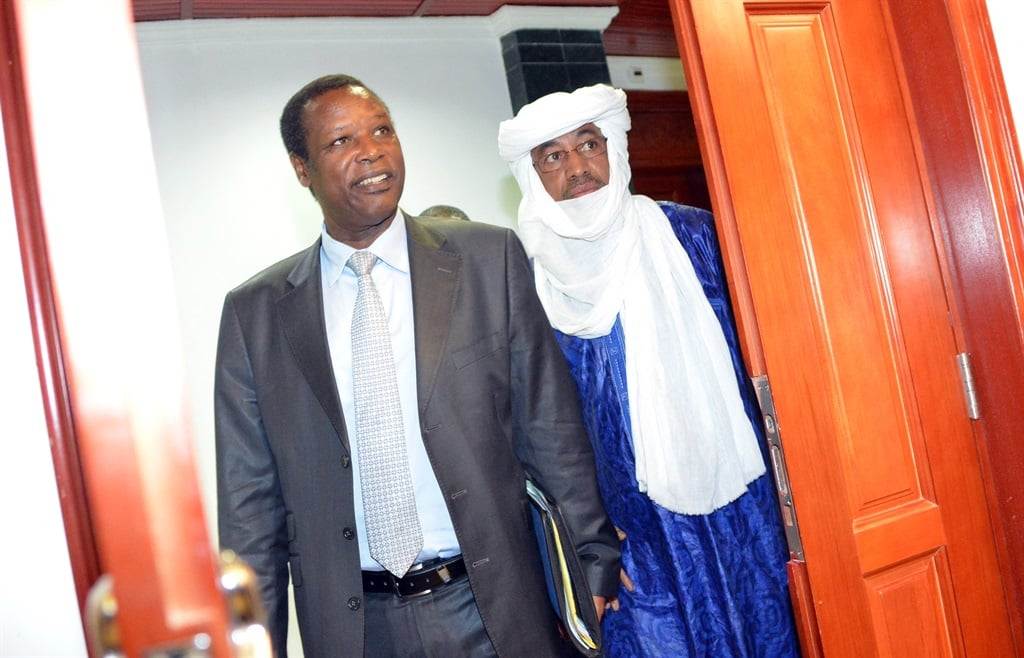
Pierre Buyoya, a pivotal figure in Burundi’s political history, passed away in Paris in December 2020 amid the global Covid-19 pandemic. Despite his death occurring over three years ago, his remains were only recently repatriated from Mali to Burundi, where a private burial ceremony is scheduled. Buyoya’s life was marked by dramatic shifts—from military coups and political leadership to peace accords and controversy surrounding civil conflict. His repatriation signals not only a closure for his family but also an opportunity to revisit his complex legacy in Burundi’s turbulent history.
Pierre Buyoya first came to power in Burundi through a military coup in 1987, marking the beginning of a significant chapter in the country’s political landscape. As an ethnic Tutsi army officer, his leadership initially promised stability in a nation marked by ethnic tensions, particularly between the Tutsi minority and Hutu majority. His early regime was characterized by efforts to consolidate control, but also by underlying ethnic divisions that would later erupt into conflict.
Buyoya’s rule was interrupted in 1993 when he stepped down after Burundi’s first democratic elections. These elections were historic, resulting in the victory of Melchior Ndadaye, a Hutu candidate who defeated Buyoya decisively. Ndadaye’s win was seen as a hopeful move towards democratic governance and ethnic reconciliation. However, the fragile peace was short-lived, as Burundi soon plunged into a brutal civil war following Ndadaye’s assassination.
During this period, Buyoya remained a prominent figure in Burundian politics. His ability to navigate the complexities of ethnic conflict and political instability would define his later years in power and his legacy as a leader who both shaped and was shaped by Burundi’s turbulent history.
Buyoya returned to power in 1996 through another military coup amid ongoing civil conflict. His second presidency was marked by efforts to stabilize the country and bring an end to the violence that had claimed hundreds of thousands of lives. Recognizing the need for dialogue, Buyoya played a critical role in initiating peace negotiations that culminated in the Arusha Peace Accords in 2000.
The Arusha Accords were a landmark in Burundi’s history, setting the framework for power-sharing and reconciliation between the Hutu and Tutsi communities. Buyoya’s willingness to engage with former adversaries and support the peace process earned him praise both domestically and internationally. He agreed to step down in 2003 as part of the peace agreement, paving the way for a transitional government.
This period highlighted Buyoya’s complex legacy: while his methods were sometimes authoritarian, his role in facilitating peace was crucial in ending a decade-long civil war and laying the groundwork for democratic governance in Burundi.
Despite his contributions to peace, Pierre Buyoya’s legacy is shadowed by controversy, particularly regarding his alleged involvement in the assassination of Melchior Ndadaye. In October 2020, a Burundian court sentenced Buyoya in absentia to life imprisonment alongside other defendants for their roles in Ndadaye’s killing, which triggered a brutal civil war.
Buyoya vehemently denied these accusations, dismissing the trial as politically motivated and a “sham.” The verdict complicated his standing in Burundi, dividing opinions between those who saw him as a stabilizing force and others who viewed him as culpable in the country’s darkest chapters. This duality has influenced how his memory is perceived within Burundi and beyond.
The political climate in Burundi has remained sensitive to these historical wounds, with the ruling CNDD-FDD party—emerging from the Hutu rebellion—exerting significant influence. Buyoya’s contested legacy is emblematic of the ongoing struggle for reconciliation in a nation still healing from decades of ethnic violence.
Following his presidency, Pierre Buyoya served as the African Union’s special envoy to Mali and the broader Sahel region for eight years. His tenure was marked by diplomatic efforts to support peace and stability in a region plagued by insurgency, political instability, and humanitarian crises. Buyoya’s experience in conflict resolution made him a valuable asset to the African Union in these challenging contexts.
Based in Bamako, Mali’s capital, Buyoya worked to mediate between warring factions and promote dialogue. His efforts contributed to various peace initiatives, although the Sahel’s complex security environment remained volatile. His presence in Mali underscored his continued commitment to African peacebuilding even after leaving formal political office in Burundi.
Buyoya’s death in Paris in December 2020 from complications related to Covid-19 came at a time when he was still active in African diplomacy. His passing was mourned by many in the continent, recognizing both his achievements and the controversies that accompanied his long career.
More than three years after his death and initial burial in Bamako, Mali, Pierre Buyoya’s remains were repatriated to Burundi in early 2024. The delay in repatriation was influenced by the sensitive political and historical context surrounding his legacy in Burundi. The family’s request for repatriation was honored by Burundian authorities, allowing Buyoya to be laid to rest in his homeland.
The repatriation was conducted with respect to Buyoya’s last wishes, culminating in a private reburial ceremony scheduled in Rutovo, a southern town where his family property is located. This event marks a significant moment for Buyoya’s family and supporters, providing closure after years of uncertainty regarding his final resting place.
The decision to hold a private ceremony reflects the complex sentiments surrounding Buyoya’s legacy in Burundi. While some view him as a former head of state deserving of national honors, others remain critical due to his controversial past. The repatriation underscores ongoing efforts to reconcile with Burundi’s history.
Since Buyoya stepped down in 2003, Burundi’s political landscape has continued to evolve amid challenges. The CNDD-FDD party, which emerged from the main Hutu rebellion, has ruled the country since 2005, navigating periods of political tension and unrest. Notably, the 2015 presidential election sparked protests and a failed coup attempt, resulting in widespread violence and displacement.
The death of former president Pierre Nkurunziza in 2020, shortly before Buyoya’s own passing, marked another turning point. Nkurunziza’s controversial third-term bid had deepened divisions, but his successor, Evariste Ndayishimiye, has since maintained power, continuing efforts to stabilize the nation. Burundi remains focused on development and reconciliation despite lingering ethnic and political divisions.
Buyoya’s legacy is intertwined with this trajectory, as his leadership helped shape the post-conflict political order. His repatriation invites renewed reflection on Burundi’s journey toward peace, democracy, and national unity.
The repatriation of Pierre Buyoya’s remains has elicited varied reactions among the Burundian public and political figures. His family expressed gratitude to the authorities for permitting the return and reburial, emphasizing the importance of honoring his last wishes. The private nature of the ceremony was also intended to respect the family’s privacy during this sensitive time.
Among the public, opinions remain divided. Supporters remember Buyoya as a leader who sought to bring peace and progress, while critics highlight the unresolved issues linked to his alleged involvement in past violence. This split reflects Burundi’s ongoing struggle to reconcile its history and build a cohesive national identity.
The repatriation also opens dialogue on how Burundi commemorates its former leaders, balancing acknowledgment of their contributions with accountability for past actions. Buyoya’s return to his homeland symbolizes a step toward healing, even as debates about his legacy continue.
The return and reburial of Pierre Buyoya’s remains offer an opportunity for Burundi to continue its journey toward national reconciliation. Recognizing the complexities of its history, the country faces the challenge of honoring diverse perspectives while fostering unity. Buyoya’s life story encapsulates the struggles and hopes of Burundi’s post-colonial era.
Moving forward, Burundi’s leadership and civil society are tasked with addressing unresolved grievances and promoting inclusive governance. Efforts to strengthen democratic institutions and protect human rights remain vital to preventing a relapse into conflict. The international community also plays a role in supporting Burundi’s peacebuilding initiatives.
Ultimately, Buyoya’s repatriation serves as a reminder of the need for dialogue, understanding, and mutual respect. As Burundi commemorates its past, it must also focus on building a future where all citizens can coexist peacefully and prosper together.
The repatriation of former Burundian president Pierre Buyoya’s remains, more than three years after his death, marks a significant moment in Burundi’s ongoing reconciliation journey. Buyoya’s life and leadership embody the complexities of a nation striving to overcome ethnic conflict and political instability. While his legacy remains contested, the act of bringing his body home underscores the importance of acknowledging history in its entirety. As Burundi looks to the future, embracing dialogue and inclusivity will be essential to building lasting peace and unity.
Originally reported by news24.com. Adapted for our readers.
Keep reading
Top Stories
Since the Supreme Court overturned Roe v. Wade in 2022, the landscape of abortion rights in the United S...
Top Stories
Top Stories Tamfitronics One evening in May, nursing assistant Debra Ragoonanan’s vision blurred during her shift at a state-run Massachusetts vet...
TAMFIS NIG LTD
Electrical and instrumentation engineering, bid preparation and consulting, IT and software.

