Top Stories
Discovery beneath soccer field reveals massive medieval convent lost for centuries
NEWYou can now listen to Fox News articles! Researchers recently uncovered a long-lost medieval convent in an unusual location in Denmark: a soccer field…
TAMFIS NIG LTDRC 8067447CAC ACTIVEFinima, Bonny Island, Rivers State

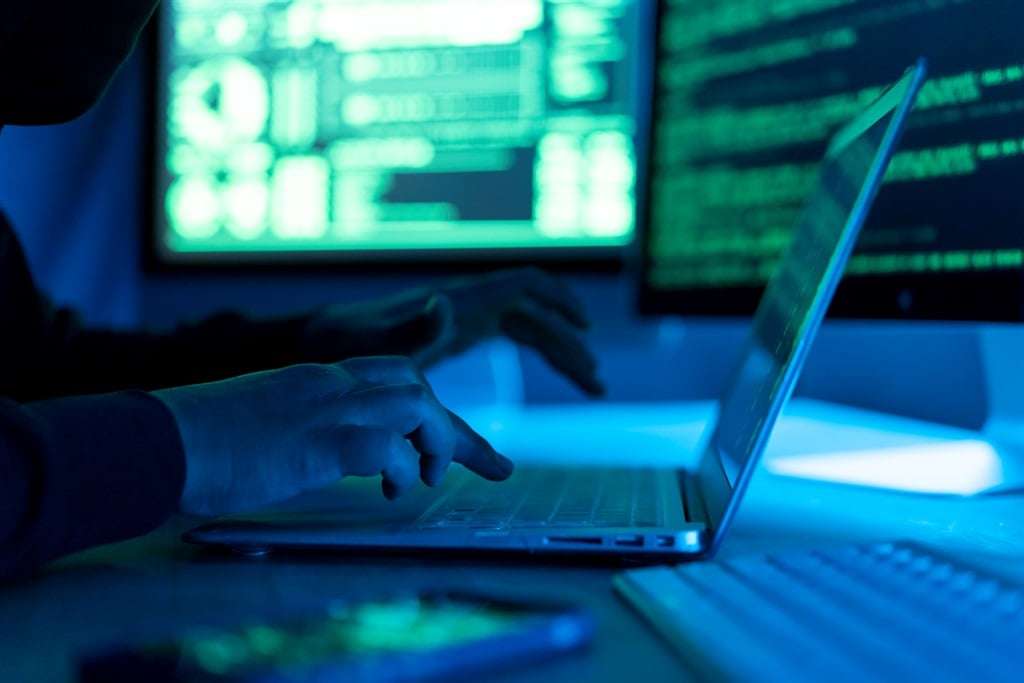
In a significant development amid the 2024 US presidential election cycle, multiple US federal agencies, including the FBI, the Office of the Director of National Intelligence (ODNI), and the Cybersecurity and Infrastructure Security Agency (CISA), have publicly accused Iran of launching coordinated cyber attacks against the presidential campaigns of Kamala Harris and Donald Trump. The allegations come amid heightened tensions between Washington and Tehran, and renewed fears of foreign interference reminiscent of the 2016 election hacks. While Iran has denied the accusations, calling them baseless, US officials assert that Iran-backed operatives targeted campaign personnel and sought to influence the American electorate through cyber espionage and disinformation campaigns. This article explores the details, implications, and context of these allegations, shedding light on the ongoing cybersecurity challenges facing US democracy.
The United States government has officially accused Iran of conducting cyber attacks against the presidential campaigns of both Kamala Harris and Donald Trump. This marks the first time during the 2024 election cycle that US intelligence agencies have publicly assigned blame for foreign cyber interference to Iran. The FBI, ODNI, and CISA jointly released a statement highlighting the aggressive nature of Iranian cyber operations aimed at compromising campaign infrastructure and influencing public opinion.
According to the statement, Iranian operatives employed sophisticated social engineering tactics to gain access to individuals closely connected to the campaigns. These efforts included attempts to steal sensitive information and disseminate it strategically to manipulate voter perceptions. The US intelligence community emphasized that these activities were designed to exacerbate political divisions and undermine trust in the electoral process.
While the US agencies did not reveal detailed evidence or specific technical indicators linking Iran to the attacks, they expressed high confidence in their attribution. The announcement underscores the ongoing threat posed by state-sponsored cyber actors seeking to interfere in democratic elections, continuing a trend observed in previous election cycles.
The cyber attacks reportedly targeted high-profile individuals and campaign infrastructure associated with Kamala Harris and Donald Trump. Notably, the Trump campaign acknowledged that one of its websites was hacked earlier in the month, which US intelligence attributed to Iranian actors. Although former President Trump downplayed the severity, stating that only publicly available information was accessed, US agencies suggest that the intrusions were more extensive.
Google’s cybersecurity team identified a hacker group known as APT42, linked to Iran’s Islamic Revolutionary Guard Corps (IRGC), as being behind these campaigns. APT42 has a history of targeting government officials and political organizations in the US and Israel. Their tactics include spear-phishing, malware deployment, and exploiting vulnerabilities to exfiltrate data and spread disinformation.
The attacks are believed to involve theft and disclosure of sensitive information aimed at influencing voter behavior. The US intelligence community did not provide specifics on the nature or scope of the stolen data but highlighted that these operations coincided with increased Iranian cyber aggression during the 2024 election cycle.
Iran’s mission to the United Nations swiftly denied the US accusations, labeling them as “unsubstantiated and devoid of any standing.” The Iranian government challenged Washington to present concrete evidence supporting their claims. Tehran reiterated that it has neither the intention nor motive to interfere in the US presidential election.
This denial reflects a broader pattern of Iranian officials dismissing foreign allegations of cyber interference. Iran has frequently condemned such claims as politically motivated attempts to justify increased sanctions or cyber countermeasures. The diplomatic tensions between the two countries have escalated amid ongoing conflicts in the Middle East, including Israel’s war in Gaza.
Despite Iran’s denials, cybersecurity experts caution that attribution in cyber operations is inherently complex. However, the US intelligence community’s confidence signals reliance on classified intelligence and technical indicators that have not been publicly disclosed.
The US has a well-documented history of foreign interference in its elections, most notably the 2016 breach of the Democratic National Committee (DNC) emails by Russian military intelligence. That hack exposed internal communications and was widely seen as an effort to influence the presidential election outcome in favor of then-candidate Donald Trump.
Since 2016, US agencies have ramped up cybersecurity measures and intelligence sharing to detect and mitigate foreign interference. However, the persistence of cyber threats from state actors like Iran and Russia demonstrates the ongoing vulnerabilities within political campaigns and election infrastructure.
The current allegations against Iran come amid a complex geopolitical landscape, where cyber operations have become a preferred tool for states to exert influence without direct military confrontation. These operations often aim to sow discord, manipulate narratives, and undermine democratic institutions.
Agencies such as the FBI, ODNI, and CISA play a critical role in defending US elections from cyber threats. CISA, in particular, is responsible for safeguarding government computer systems and election infrastructure, coordinating with state and local officials to enhance resilience against cyber attacks.
During the 2024 election cycle, these agencies have increased monitoring of cyber threats and issued warnings about potential interference from foreign actors. Their collaborative approach involves real-time intelligence sharing, public advisories, and technical assistance to campaigns and election officials.
Despite these efforts, challenges remain in securing the sprawling and decentralized US election system. The allegations against Iran highlight the need for continued investment in cybersecurity, public awareness campaigns, and international cooperation to deter malign foreign activities.
The accusations of cyber attacks on US presidential campaigns add another layer of complexity to the already strained US-Iran relationship. These allegations could prompt increased sanctions, diplomatic expulsions, or retaliatory cyber operations, further escalating tensions between the two countries.
On a global scale, this development underscores the growing role of cyber warfare in international relations. State-sponsored hacking groups are increasingly employed as strategic tools to influence political outcomes and gather intelligence, blurring the lines between espionage and warfare.
The US response to these cyber threats will likely shape future cybersecurity policies and international norms around election security. It may also encourage other nations to bolster their defenses and develop frameworks to hold perpetrators accountable.
The US political landscape has reacted with concern and calls for greater transparency following the announcement of Iranian cyber interference. Campaign officials from both parties have emphasized the need to protect the integrity of the electoral process and ensure voters’ confidence.
Some critics have questioned the timing and evidence behind the allegations, urging the government to provide concrete proof to avoid politicization of cybersecurity issues. Meanwhile, cybersecurity experts have highlighted the importance of public awareness to recognize and resist disinformation campaigns linked to foreign actors.
The media coverage has also amplified debates about election security, foreign influence, and the broader implications for American democracy. This heightened scrutiny may influence voter behavior and policy discussions in the months leading up to the election.
Looking ahead, US authorities are expected to intensify efforts to detect, attribute, and disrupt cyber operations targeting elections. This includes enhancing technological defenses, improving information sharing, and fostering collaboration between government agencies and private sector partners.
Campaigns themselves are increasingly investing in cybersecurity training and infrastructure to protect sensitive data and communications. Voter education initiatives aim to combat misinformation and promote digital literacy to mitigate the impact of influence operations.
Internationally, the US may seek to build coalitions to establish norms and agreements that deter election interference. The evolving cyber threat landscape demands adaptive strategies that balance security, privacy, and democratic freedoms.
The US accusations against Iran for cyber attacks on the Kamala Harris and Donald Trump presidential campaigns highlight the persistent and evolving threat of foreign interference in American elections. As cyber warfare becomes an increasingly favored tool for state actors to influence political outcomes, safeguarding democratic processes requires vigilant cybersecurity measures, transparent intelligence sharing, and international collaboration. While Iran denies the allegations, the confirmation from multiple US agencies signals a serious concern that demands continued attention from policymakers, campaigns, and the public alike. Strengthening election security is crucial to preserving the integrity of democracy and maintaining public trust in the electoral system.
Originally reported by news24.com. Adapted for our readers.
Keep reading
Top Stories
NEWYou can now listen to Fox News articles! Researchers recently uncovered a long-lost medieval convent in an unusual location in Denmark: a soccer field…
News
By Engr. Tamunofiniarisa BrownReading Time: 6 Minutes The conflict between Russia and Ukraine is often framed in the media as a simple battle between…
TAMFIS NIG LTD
Electrical and instrumentation engineering, bid preparation and consulting, IT and software.