
Top Stories
KFF Health News’ ‘What the Health?’: The Supreme Court and the Abortion Pill
Since the Supreme Court overturned Roe v. Wade in 2022, the landscape of abortion rights in the United S...
TAMFIS NIG LTDRC 8067447CAC ACTIVEFinima, Bonny Island, Rivers State

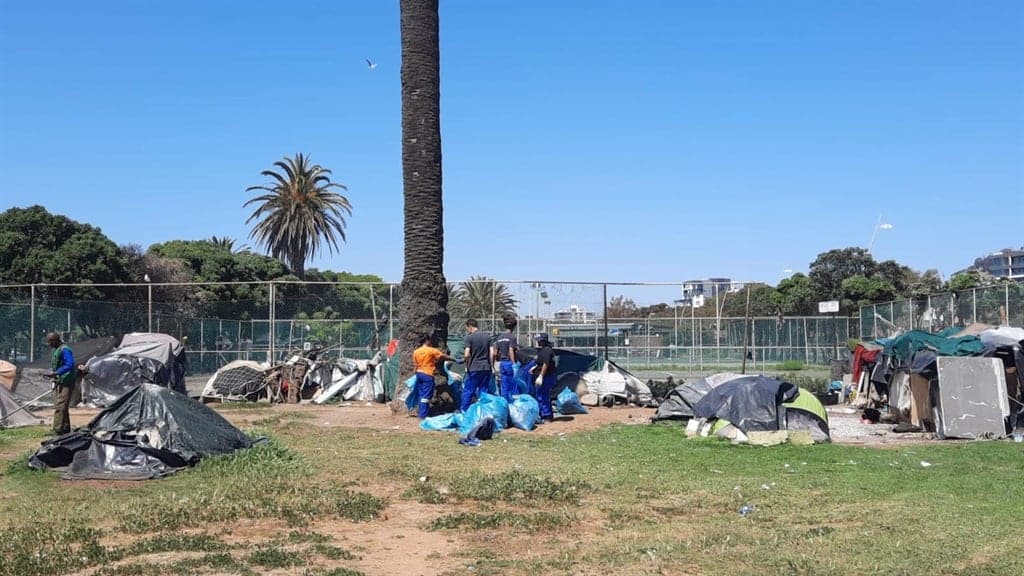
The recent eviction of homeless individuals from Cape Town's Central Business District (CBD) marks a significant development in urban governance and social policy within the city. Directed by the Sheriff of the Western Cape High Court, the operation targeted areas around Nelson Mandela Boulevard, Hertzog Boulevard, Old Marine Drive, and the Christiaan Barnard Bridge. This coordinated effort involved multiple stakeholders, including law enforcement agencies and social development officials, underscoring the complexity of addressing homelessness in a growing metropolitan area. This article explores the background, execution, and implications of the eviction, offering a comprehensive overview of the situation and its broader social context.
Cape Town’s Central Business District has long been a focal point for homelessness due to its central location, accessibility to services, and economic opportunities. Over the years, an increasing number of individuals without stable housing have established temporary shelters in public spaces, leading to concerns about urban safety, sanitation, and public order.
The rise in homelessness in the CBD is intertwined with broader socio-economic challenges facing South Africa, including unemployment, poverty, and insufficient affordable housing. These systemic issues contribute to the persistent presence of vulnerable populations in urban centers, often resulting in complex humanitarian and administrative challenges for city authorities.
Prior to the recent eviction, multiple initiatives aimed at supporting homeless individuals were underway, including outreach programs and temporary shelters. However, the concentration of homeless people in the CBD posed ongoing concerns for businesses, residents, and municipal management, prompting legal interventions to address the situation.
The eviction process was executed under the authority of the Sheriff of the Western Cape High Court, following a court order mandating the removal of homeless individuals from specific areas within the CBD. This legal backing ensured that the eviction was conducted within the boundaries of South African law, balancing enforcement with the protection of human rights.
Court orders in such cases typically involve detailed assessments of the legality and necessity of evictions, requiring authorities to provide adequate notice and consider alternative housing options where feasible. The involvement of the court underscores the judiciary’s role in mediating between urban regulation and social welfare concerns.
The Court's directive specifically targeted locations around Nelson Mandela Boulevard, Hertzog Boulevard, Old Marine Drive, and the Christiaan Barnard Bridge. These areas were identified as critical zones where the presence of homeless individuals was deemed to significantly disrupt public order and safety.
The eviction was carried out by the Sheriff of the Court in collaboration with the South African Police Service (SAPS), social development officials, and other municipal enforcement agencies. This multi-agency approach was designed to ensure an orderly and lawful process while addressing the immediate needs of those affected.
Law enforcement officers provided security and maintained public order during the operation, while social workers engaged with homeless individuals to offer information on available support services and temporary accommodations. The involvement of social development personnel was critical in mitigating the potential humanitarian impact of the eviction.
The operation focused on clearing makeshift shelters and encampments from public spaces, with belongings of homeless individuals carefully managed to prevent loss or damage. The process emphasized respectful treatment and adherence to legal protocols to avoid unnecessary conflict or harm.
Evictions of homeless populations invariably raise important social and humanitarian concerns. While the need to maintain public order in urban centers is legitimate, such actions can exacerbate the vulnerabilities of homeless individuals if not accompanied by adequate support measures.
Critics argue that evictions without sustainable housing solutions merely displace problems to other areas, perpetuating cycles of homelessness and social exclusion. The lack of comprehensive, long-term strategies to address the root causes of homelessness remains a significant challenge for policymakers.
In response, social development authorities have emphasized ongoing efforts to provide temporary shelters, counseling, and rehabilitation programs. However, resource constraints and systemic barriers often limit the reach and effectiveness of these interventions.
The eviction has elicited diverse reactions from the public, ranging from support for restoring safety and cleanliness in the CBD to concern for the rights and welfare of homeless individuals. Local businesses and residents generally welcomed the operation, citing improved security and urban aesthetics.
Conversely, human rights organizations and advocacy groups have called for more compassionate approaches that prioritize housing and social services over forced removals. They stress the importance of inclusive urban policies that address the needs of all citizens, including the most vulnerable.
The debate reflects broader societal tensions surrounding homelessness, urban development, and social justice in South Africa. It highlights the need for balanced solutions that reconcile economic interests with human dignity.
The City of Cape Town has played a central role in coordinating the eviction and subsequent support initiatives. Municipal authorities have committed to enhancing shelter capacity and expanding outreach programs aimed at reintegrating homeless individuals into society.
Social development agencies collaborate closely with law enforcement to ensure that evictions are accompanied by access to services such as healthcare, counseling, and employment assistance. These partnerships are vital for addressing the multifaceted nature of homelessness.
Despite these efforts, challenges persist, including limited funding, inadequate infrastructure, and the scale of homelessness. The city continues to explore innovative solutions, including public-private partnerships and community-based programs, to create sustainable pathways out of homelessness.
Addressing homelessness in Cape Town’s CBD requires comprehensive, long-term strategies that go beyond eviction and enforcement. Key priorities include expanding affordable housing, improving social services, and fostering economic opportunities for vulnerable populations.
Urban planners and policymakers advocate for inclusive development models that integrate homeless individuals into the social and economic fabric of the city. This approach emphasizes prevention, early intervention, and community engagement to reduce homelessness sustainably.
Continued collaboration among government entities, civil society, and affected communities is essential to create effective solutions. Monitoring and evaluating the impact of current measures will inform future policies aimed at achieving a more equitable and compassionate urban environment.
The finalization of the eviction of homeless individuals in Cape Town’s Central Business District represents a complex intersection of legal authority, urban management, and social welfare. While the operation addressed immediate concerns related to public order and safety, it also underscored the persistent challenges of homelessness in South Africa’s urban centers. Sustainable progress depends on integrated strategies that combine enforcement with robust social support, affordable housing, and inclusive development. As the City of Cape Town and its partners navigate these challenges, the balance between upholding the law and protecting human dignity remains paramount. Continued dialogue, innovation, and commitment are essential to fostering a city where all residents can live with security and dignity.
Originally reported by news24.com. Adapted for our readers.
Keep reading
Top Stories
Since the Supreme Court overturned Roe v. Wade in 2022, the landscape of abortion rights in the United S...
Top Stories
Top Stories Tamfitronics One evening in May, nursing assistant Debra Ragoonanan’s vision blurred during her shift at a state-run Massachusetts vet...
TAMFIS NIG LTD
Electrical and instrumentation engineering, bid preparation and consulting, IT and software.

