
Top Stories
Discovery beneath soccer field reveals massive medieval convent lost for centuries
NEWYou can now listen to Fox News articles! Researchers recently uncovered a long-lost medieval convent in an unusual location in Denmark: a soccer field…
TAMFIS NIG LTDRC 8067447CAC ACTIVEFinima, Bonny Island, Rivers State

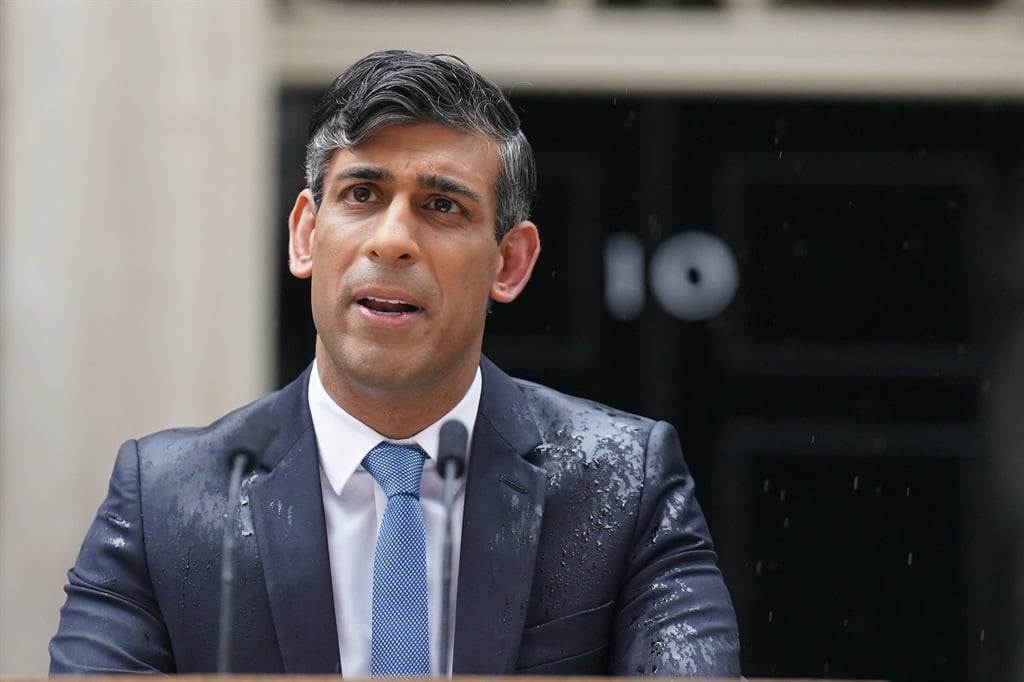
On 24 April 2024, UK Prime Minister Rishi Sunak made a decisive move by calling a national general election to be held on 4 July 2024. This announcement marks the culmination of months of speculation about the timing of the next poll. Sunak’s Conservative Party currently lags significantly behind the opposition Labour Party in the polls, raising questions about the strategic risks involved in calling an early election. With Britain navigating economic recovery, inflation concerns, and an evolving geopolitical landscape, this election could redefine the country’s political trajectory after 14 years of Conservative governance. This article delves into the background, key players, campaign dynamics, and potential outcomes of the upcoming UK general election.
On a crisp spring morning outside 10 Downing Street, Prime Minister Rishi Sunak formally announced the UK general election date as 4 July 2024. This early election call came as a surprise to many political observers who had anticipated a later date amid ongoing Conservative challenges. Sunak emphasized that the election would allow the British people to decide the nation’s future direction, highlighting his government’s achievements such as the furlough scheme that mitigated COVID-19’s economic impact.
The announcement ended months of conjecture about when the election would be held. Speculation had intensified as Sunak’s Conservative Party faced declining popularity in opinion polls, trailing the Labour Party by a significant margin. Despite this, Sunak appeared confident that improved economic indicators—such as slowing inflation and modest GDP growth—provided a window of opportunity to seek a fresh mandate from voters.
However, the timing also reflects internal pressures within the Conservative Party, where Sunak faces some isolation and dissent. His reliance on a small group of close advisers to navigate the campaign underscores the challenges ahead. The decision to call an early election signals a calculated risk, aiming to capitalize on any lingering uncertainties among the electorate before the opposition can consolidate its advantage.
The political landscape heading into the July election is sharply divided. The Labour Party, led by Keir Starmer, enjoys a substantial lead in national polls, often cited as around 20 percentage points ahead of the Conservatives. Labour’s campaign focuses on addressing economic inequality, public service reforms, and rebuilding trust in government after years of perceived Conservative mismanagement.
Labour has positioned itself as the party ready to lead Britain through a period of renewal. Starmer’s recent campaign launch emphasized plans to ‘rebuild Britain’ with commitments on healthcare, education, and sustainable growth. Labour’s confidence is bolstered by public dissatisfaction with rising living costs, healthcare backlogs, and concerns over national security.
Conversely, the Conservative Party is campaigning on its record of economic resilience, including the furlough scheme and recent inflation decreases. Sunak’s team warns that Labour’s proposed tax rises could harm the economy and argues that Conservative leadership provides stability amid global uncertainties. Despite these claims, the Conservatives face an uphill battle to regain voter confidence and unify their party base.
The UK economy plays a central role in this election. Inflation, which surged during the pandemic and energy crisis, has recently shown signs of easing, providing a potential boost to the incumbent government. GDP growth has also improved, with the economy expanding at its fastest pace in nearly three years. These indicators have been highlighted by Sunak as evidence of successful stewardship.
However, many voters remain concerned about cost-of-living pressures, stagnant wages, and housing affordability. Labour has capitalized on these anxieties by criticizing Conservative policies as insufficient and promising more direct support for working families. The economic debate is likely to dominate campaign discourse, with both parties vying to convince voters they can deliver prosperity.
In addition to domestic economic issues, global factors such as geopolitical tensions, energy security, and trade relationships add layers of complexity. The electorate’s perception of which party can best navigate these challenges will be crucial in determining the election outcome.
Within the Conservative Party, Rishi Sunak’s leadership faces notable challenges. Since taking office less than two years ago, Sunak has struggled to clearly define his political brand beyond his background as a former investment banker and Chancellor of the Exchequer. This has led to frustrations within his party, with some members questioning his ability to lead decisively.
Sunak’s campaign strategy appears focused on emphasizing economic stability and continuity, while attempting to portray Labour as inexperienced and risky. However, reports indicate that Sunak is increasingly reliant on a small circle of advisers to manage messaging, reflecting concerns about party unity and campaign coherence.
Labour, by contrast, has demonstrated strong organizational readiness. Keir Starmer’s team claims to have an ‘absolutely organised and operational campaign’ prepared to mobilize voters nationwide. Nevertheless, some Labour officials express caution about the apparent size of their lead, worried that many voters remain undecided and could be swayed during the campaign.
Calling an early election while trailing in the polls is inherently risky. For Sunak, the gamble involves betting that short-term economic improvements and voter uncertainty will narrow Labour’s lead. However, if the electorate perceives the Conservatives as out of touch or divided, the party could suffer a significant defeat.
Another uncomfortable possibility is increased political volatility. If Labour wins decisively, it could lead to a historic shift after 14 years of Conservative rule. Yet this might also usher in a period of adjustment and uncertainty as the new government implements its agenda. Conversely, a narrow or inconclusive result could deepen political instability.
Furthermore, the election exposes vulnerabilities within both parties. Conservative internal dissent and Labour’s challenge of converting polling leads into actual votes highlight the unpredictable nature of modern British politics. The campaign will test leadership, messaging, and grassroots mobilization in a high-stakes environment.
The announcement of the 4 July election date was met with mixed reactions from the public and media. Some commentators praise the clarity and decisiveness of setting a firm date, allowing parties and voters alike to prepare. Others criticize the timing as politically motivated and potentially disruptive during a time of economic recovery.
Media coverage has already intensified, with outlets analyzing the strategic calculations behind Sunak’s decision and speculating on campaign tactics. Opinion polls and expert commentary dominate headlines, reflecting widespread public interest in what is seen as one of the most consequential elections in recent UK history.
Public opinion remains fluid, with many voters expressing fatigue over political uncertainty but also a desire for change. The coming weeks will be critical in shaping narratives and voter sentiment as the campaign unfolds.
The UK general election holds significant international implications, especially given the country’s role in global affairs. The outcome will influence Britain’s approach to post-Brexit trade relations, security alliances, and responses to geopolitical challenges such as tensions in Eastern Europe and the Indo-Pacific region.
Both major parties have sought to reassure international partners of their commitment to stability and cooperation. However, differences in policy priorities and leadership style could affect diplomatic relationships and foreign investment decisions.
Global markets and foreign governments are watching closely, aware that political change in the UK could impact economic confidence and strategic partnerships. The election therefore extends beyond domestic concerns, resonating on the international stage.
As the campaign officially begins, both parties are expected to intensify efforts to engage voters across the UK. Key battleground constituencies will receive focused attention, with targeted messaging and grassroots mobilization playing critical roles. Public debates, policy announcements, and media appearances will shape the evolving narrative.
Voter turnout will be a decisive factor, with parties striving to energize their bases while appealing to undecided and swing voters. Issues such as the economy, healthcare, education, and national security will dominate discussions, alongside emerging topics that may arise during the campaign.
Ultimately, the 4 July election represents a defining moment for Britain’s future. The outcome will not only determine the next government but also set the tone for the country’s political, economic, and social direction in the years ahead.
The UK’s 4 July 2024 general election, called unexpectedly early by Prime Minister Rishi Sunak, sets the stage for a high-stakes political contest amid economic recovery and social challenges. With the Conservative Party trailing Labour in the polls, the election presents both a gamble and an opportunity for Sunak to redefine his leadership and agenda. As the campaign unfolds, British voters will weigh competing visions for the nation’s future, with outcomes that could reshape domestic policy and international relations. This pivotal moment underscores the dynamic and often unpredictable nature of UK politics in the 21st century.
Originally reported by news24.com. Adapted for our readers.
Keep reading
Top Stories
NEWYou can now listen to Fox News articles! Researchers recently uncovered a long-lost medieval convent in an unusual location in Denmark: a soccer field…
News
By Engr. Tamunofiniarisa BrownReading Time: 6 Minutes The conflict between Russia and Ukraine is often framed in the media as a simple battle between…
TAMFIS NIG LTD
Electrical and instrumentation engineering, bid preparation and consulting, IT and software.