
Top Stories
Discovery beneath soccer field reveals massive medieval convent lost for centuries
NEWYou can now listen to Fox News articles! Researchers recently uncovered a long-lost medieval convent in an unusual location in Denmark: a soccer field…
TAMFIS NIG LTDRC 8067447CAC ACTIVEFinima, Bonny Island, Rivers State

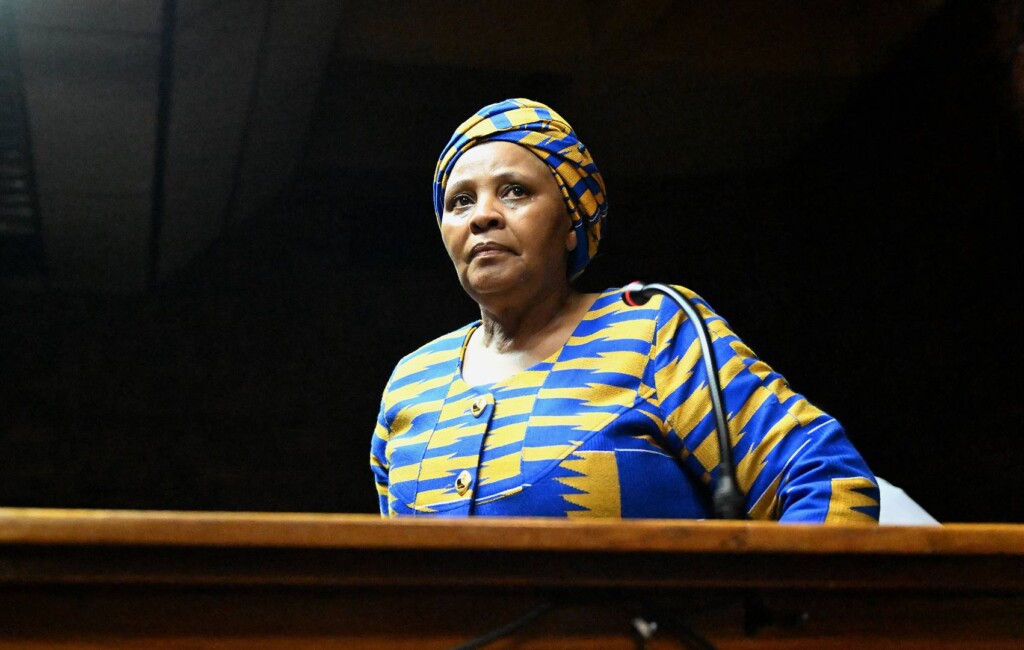
In a significant development surrounding the high-profile corruption trial of former Speaker and Defence Minister Nosiviwe Mapisa-Nqakula, the Department of Defence and Navy Veterans has declared that it will no longer cover her legal expenses. This move comes after Mapisa-Nqakula resigned just hours before her scheduled court appearance on charges related to corruption. The allegations against her involve accepting bribes worth millions of rands from a businesswoman implicated in fraudulent defence contracts. This article delves into the details of the case, the implications of the funding cessation, and the broader impact on South Africa's fight against corruption.
Nosiviwe Mapisa-Nqakula, a prominent South African politician and former Speaker of the National Assembly, has been embroiled in a corruption scandal since allegations surfaced about her conduct while serving as the Minister of Defence. The charges accuse her of soliciting and accepting bribes amounting to R2.5 million from Nombasa Ntsondwa-Ndhlovu, a businesswoman who allegedly secured defence contracts worth approximately R210 million through fraudulent means.
The accusations suggest that Mapisa-Nqakula used her ministerial position to facilitate the awarding of contracts to Ntsondwa-Ndhlovu’s company, which subsequently benefited from inflated or unjustified payments. These developments have raised serious concerns about governance, transparency, and accountability within the Department of Defence and across government structures.
The case gained national attention after Mapisa-Nqakula resigned from her role just hours prior to her court appearance in April, signaling the gravity of the situation. Her resignation did not halt the legal proceedings, and the court case has continued to unfold amid widespread public scrutiny.
In a decisive move, the Department of Defence and Navy Veterans has publicly announced that it will no longer finance Mapisa-Nqakula's legal defenses in her ongoing corruption trial. This decision reflects a shift in governmental stance towards accountability and the prudent use of public funds, especially in cases involving alleged misuse of office.
Previously, it was customary for government departments to cover legal costs for officials facing criminal charges related to their official duties. However, the nature of the allegations against Mapisa-Nqakula, involving personal enrichment and corruption, has prompted a reevaluation of this policy, emphasizing that public money should not be used to defend alleged criminal conduct.
The department's announcement has sparked debate about the limits of state support for officials under investigation, raising questions about fairness, due process, and the responsibility of public servants to uphold ethical standards.
The withdrawal of financial support for Mapisa-Nqakula's legal expenses has significant legal and political implications. Legally, it may affect her ability to mount a robust defense, potentially influencing the trial's proceedings and outcomes. This raises concerns about equal access to justice and the rights of the accused to adequate representation.
Politically, the decision sends a strong message regarding the government's intolerance of corruption and its commitment to ensuring that public officials are held accountable. It also reflects increasing public and institutional pressure to distance government resources from individuals implicated in unethical or illegal activities.
This move could set a precedent for future cases involving allegations against public officials, potentially altering how legal funding is approached in politically sensitive trials and fostering a culture of greater accountability.
The charges against Mapisa-Nqakula center on allegations that she solicited and received bribes totaling R2.5 million from Nombasa Ntsondwa-Ndhlovu, a businesswoman accused of fraud related to defence contracts. These contracts, reportedly valued at R210 million, allegedly involved irregularities and fraudulent activities benefiting Ntsondwa-Ndhlovu's company.
Prosecutors assert that Mapisa-Nqakula exploited her ministerial position to facilitate these transactions, compromising the integrity of the defence procurement process. The case highlights systemic vulnerabilities within government contract awarding mechanisms and the potential for abuse of power.
Investigations and court proceedings have been ongoing, with evidence being presented to establish the extent of Mapisa-Nqakula’s involvement and the impact of the alleged corruption on public resources and trust.
The public response to the corruption allegations and the subsequent decision to stop funding Mapisa-Nqakula's legal costs has been mixed but largely critical of perceived corruption within government ranks. Many citizens view the funding withdrawal as a necessary step towards restoring faith in public institutions and combating corruption.
Media coverage has been extensive, with outlets like News24 providing detailed reporting and analysis. The case has sparked conversations about ethical governance, the role of public officials, and the use of taxpayer money, reinforcing the demand for transparency and accountability.
Some commentators caution against prejudging the accused before the trial concludes, emphasizing the importance of the legal principle of presumption of innocence. Nonetheless, the consensus underscores the need for rigorous oversight and reforms to prevent similar incidents.
The Mapisa-Nqakula case represents a critical test for South Africa's broader efforts to address corruption within government and public institutions. The decision to withhold legal funding aligns with increasing demands for more stringent measures against corrupt practices and reinforces the message that no individual is above the law.
This development may encourage other departments and agencies to adopt stricter policies regarding legal support for officials facing serious charges, potentially improving accountability and deterring corrupt behavior.
However, challenges remain in ensuring that anti-corruption initiatives are comprehensive, fair, and effective. Continued vigilance, legal reforms, and public engagement are essential to sustain momentum and build a culture of integrity.
Looking ahead, the cessation of funding places additional pressure on Mapisa-Nqakula as she navigates her legal battles. Without state-sponsored legal support, she may need to seek private funding or rely on personal resources, which could influence the trial's dynamics.
Should the court find her guilty, the verdict could have profound consequences for her political career and personal reputation, potentially leading to legal penalties and further public scrutiny.
Conversely, an acquittal would raise questions about the evidentiary basis of the charges and the fairness of the process, underscoring the complexity of corruption cases and the importance of judicial independence.
The unfolding events surrounding Mapisa-Nqakula’s trial and the funding decision highlight critical lessons for governance in South Africa. Transparency, ethical conduct, and accountability remain foundational to maintaining public trust and effective administration.
Government institutions must reinforce mechanisms that prevent conflicts of interest and corruption, ensuring that public resources are managed responsibly and that officials are held to the highest standards.
Moreover, public engagement and media vigilance play vital roles in promoting democratic oversight, fostering an informed citizenry capable of demanding integrity and reform from their leaders.
The decision by the Department of Defence and Navy Veterans to stop funding Nosiviwe Mapisa-Nqakula's legal defense marks a pivotal moment in South Africa's pursuit of integrity within its public institutions. As the corruption trial progresses, it underscores the nation's growing intolerance for unethical behavior among its leaders and the imperative to safeguard public resources. While the legal process must uphold fairness and due process, the broader message is clear: accountability and transparency are essential pillars for building a prosperous and just society. The outcomes of this case will likely influence future governance reforms and public expectations, reinforcing the vital role of ethical leadership in restoring trust and promoting effective democracy.
Originally reported by news24.com. Adapted for our readers.
Keep reading
Top Stories
NEWYou can now listen to Fox News articles! Researchers recently uncovered a long-lost medieval convent in an unusual location in Denmark: a soccer field…
News
By Engr. Tamunofiniarisa BrownReading Time: 6 Minutes The conflict between Russia and Ukraine is often framed in the media as a simple battle between…
TAMFIS NIG LTD
Electrical and instrumentation engineering, bid preparation and consulting, IT and software.