
Top Stories
KFF Health News’ ‘What the Health?’: The Supreme Court and the Abortion Pill
Since the Supreme Court overturned Roe v. Wade in 2022, the landscape of abortion rights in the United S...
TAMFIS NIG LTDRC 8067447CAC ACTIVEFinima, Bonny Island, Rivers State

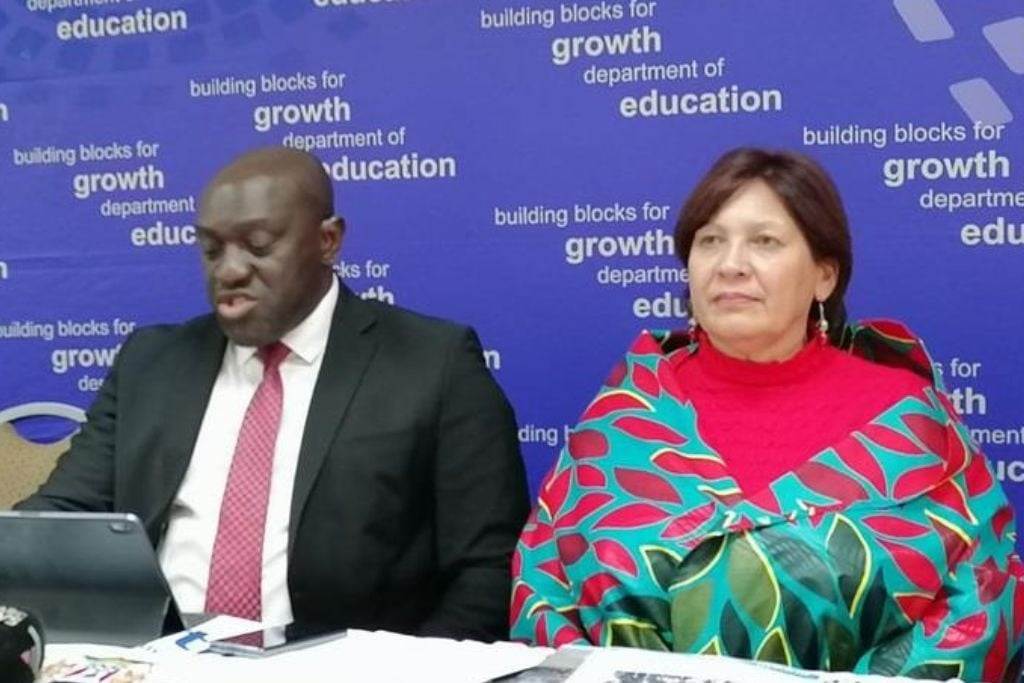
The Eastern Cape Department of Education recently revealed a troubling statistic: more than 9,000 Grade 12 pupils in the province have never passed a single grade during their entire schooling journey. This revelation has sparked intense debate about the effectiveness of the education system, especially in rural and under-resourced areas. The issue raises critical questions about learner progression policies, dropout rates, and the quality of education delivery. This article explores the factors contributing to this phenomenon, the impact on learners and communities, and the strategies being employed to address these educational challenges in the Eastern Cape.
The Eastern Cape Department of Education disclosed that approximately 9,300 Grade 12 learners in the 2024 cohort have never passed any grade throughout their schooling years. This figure, predominantly from rural schools, presents a stark picture of the educational crisis facing the province. These learners have been promoted year after year under the department’s progression policy, despite consistently failing to meet the minimum academic requirements.
This phenomenon is not merely a numerical statistic but a reflection of deeper systemic problems such as inadequate teaching resources, socio-economic challenges, and insufficient learner support. The learners’ inability to achieve a pass mark raises concerns about their preparedness for matric examinations, further education, or employment opportunities post-schooling.
Moreover, the persistence of such low achievement rates despite progression policies indicates potential gaps in educational monitoring and intervention strategies. The problem demands a comprehensive analysis to understand the underlying causes and to implement effective solutions that can uplift learner performance and outcomes.
The Eastern Cape’s progression policy, implemented in public schools since 2005, aims to minimize dropout rates and improve school retention by allowing learners to advance to the next grade even if they have not met the passing criteria. While well-intentioned, this policy has inadvertently resulted in thousands of pupils moving through the system without mastering the necessary academic skills.
Education MEC Fundile Gade emphasized that the policy was designed to keep learners in school and reduce the high attrition rates historically seen in the province. However, critics argue that promoting learners without adequate academic achievement sets them up for failure in later grades, especially in the critical Grade 12 year where matric results determine future prospects.
The challenge lies in balancing retention with quality education. Without sufficient academic support structures, the progression policy risks perpetuating cycles of poor performance, ultimately affecting learners’ confidence and motivation. This calls for a re-evaluation of the policy’s implementation and the introduction of complementary support mechanisms.
Most of the learners who have never passed a grade come from rural areas, where schools often suffer from inadequate infrastructure, a shortage of qualified teachers, and limited access to learning materials. These challenges severely hamper effective teaching and learning, contributing to persistent academic underperformance.
Rural schools also face socio-economic difficulties, including poverty, food insecurity, and lack of parental involvement, which negatively impact learners’ attendance, concentration, and overall academic progress. Many learners come from households where education is not always prioritized due to financial constraints or cultural factors.
Furthermore, poor access to technology and digital learning tools places rural learners at a disadvantage, especially in an era where blended and remote learning have become essential. Addressing these multifaceted challenges requires targeted interventions that go beyond the classroom to support learners holistically.
The fact that thousands of learners reach Grade 12 without ever passing a grade has serious implications for their futures. These learners face diminished chances of passing their matric exams, limiting their access to tertiary education and formal employment opportunities. This perpetuates cycles of poverty and unemployment within their communities.
Additionally, learners who consistently fail may experience low self-esteem, diminished motivation, and disengagement from the education system altogether. This can lead to increased dropout rates or involvement in negative social behaviors, further exacerbating social challenges in affected areas.
Communities also bear the brunt of educational underperformance, as the lack of skilled and qualified young people hinders socio-economic development. The situation calls for urgent collaborative efforts between government, educators, parents, and civil society to create an enabling environment for learner success.
The Eastern Cape Department of Education, under MEC Fundile Gade’s leadership, has acknowledged the severity of the issue and is actively seeking solutions. The department has committed to enhancing learner support programs, improving teacher training, and increasing resources for rural schools to address academic underperformance.
Initiatives such as after-school tutoring, mentorship programs, and psychological support services are being expanded to help learners overcome learning barriers. The department is also reviewing the implementation of the progression policy to ensure it aligns better with learners’ academic readiness.
Collaboration with non-governmental organizations and community stakeholders is also a key strategy, aiming to mobilize additional resources and create support networks that can sustain learner development. The government’s approach emphasizes a holistic response that targets both academic and socio-economic factors.
To reverse the trend of persistent failure, a multipronged approach is necessary. Strengthening early intervention programs to identify struggling learners and provide targeted support can prevent academic underachievement from becoming entrenched over years.
Improving teacher capacity through continuous professional development and incentivizing skilled educators to work in rural areas can enhance the quality of instruction. Additionally, investing in infrastructure, learning materials, and digital tools will create a more conducive learning environment.
Parental and community engagement must be prioritized to foster a culture that values education and supports learners outside school. Furthermore, revisiting progression policies with an emphasis on mastery learning rather than automatic promotion can help ensure learners are adequately prepared for each grade.
The Eastern Cape’s educational challenges reflect broader systemic issues faced across South Africa, including disparities in resource allocation, teacher quality, and learner support. Despite national efforts to improve education quality, rural and historically disadvantaged areas continue to lag behind urban centers.
The persistence of high failure and dropout rates in provinces like the Eastern Cape underscores the need for national policy reforms that address inequality and promote inclusive, quality education for all learners. Ensuring equitable access to quality education is critical for South Africa’s socio-economic development and social cohesion.
Ongoing monitoring, research, and data-driven policy-making are essential to track progress and adapt strategies effectively. The lessons learned from the Eastern Cape can inform broader national efforts to strengthen the education system and improve learner outcomes countrywide.
The revelation that more than 9,000 Grade 12 learners in the Eastern Cape have never passed a grade is a wake-up call for the education sector, government, and society at large. It highlights deep-rooted challenges that require urgent, coordinated action to ensure all learners receive quality education and the opportunity to succeed. Addressing these issues demands not only policy adjustments but also substantial investment in resources, teacher capacity, and learner support, particularly in rural areas. By adopting a holistic and inclusive approach, the Eastern Cape and South Africa can move towards a future where every learner has the chance to achieve their potential and contribute meaningfully to society.
Originally reported by news24.com. Adapted for our readers.
Keep reading
Top Stories
Since the Supreme Court overturned Roe v. Wade in 2022, the landscape of abortion rights in the United S...
Top Stories
Top Stories Tamfitronics One evening in May, nursing assistant Debra Ragoonanan’s vision blurred during her shift at a state-run Massachusetts vet...
TAMFIS NIG LTD
Electrical and instrumentation engineering, bid preparation and consulting, IT and software.