Top Stories
Discovery beneath soccer field reveals massive medieval convent lost for centuries
NEWYou can now listen to Fox News articles! Researchers recently uncovered a long-lost medieval convent in an unusual location in Denmark: a soccer field…
TAMFIS NIG LTDRC 8067447CAC ACTIVEFinima, Bonny Island, Rivers State

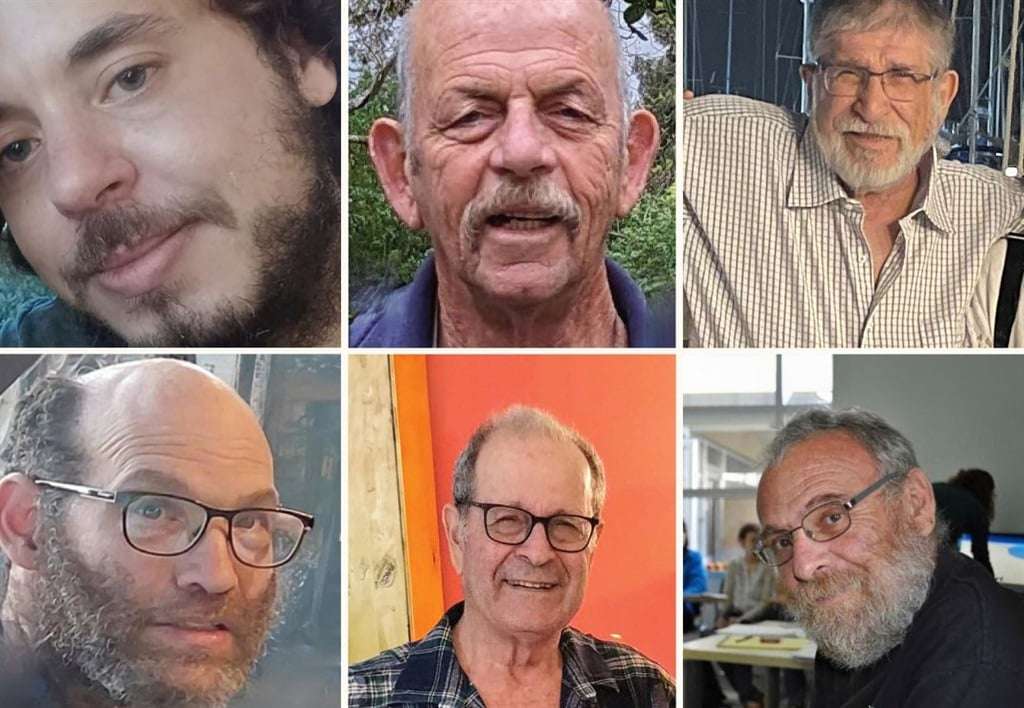
In a poignant development amidst the ongoing Israel-Gaza conflict, the Israeli army announced the retrieval of the bodies of six hostages from the southern Gaza Strip, specifically Khan Yunis. This recovery follows extensive intelligence gathering and forensic analysis, marking a crucial milestone in the protracted hostage crisis following the Hamas attack on October 7, 2024. The retrieval not only offers closure to the families of the deceased but also underscores the complexities of the conflict and the continuing efforts to secure the release of remaining captives. This comprehensive article delves into the details surrounding the operation, profiles of the hostages, the impact on their communities, and the broader geopolitical implications.
The hostage crisis in Gaza erupted in the aftermath of a large-scale attack by Hamas militants on southern Israel on October 7, 2024. During this assault, over 250 Israelis were abducted and taken into Gaza, sparking an intense military and diplomatic response from Israel. The hostages include civilians, security personnel, and elderly individuals, many of whom have been held in dire conditions.
This crisis has become a focal point of the Israel-Gaza conflict, with the Israeli government and military prioritizing the safe return of the captives. The abduction of these individuals has deeply affected Israeli society, particularly communities near the Gaza border, who have suffered direct losses and trauma.
Efforts to negotiate the release of the hostages have been complex and fraught with challenges, involving multiple mediators such as Egypt, Qatar, and the United States. The situation remains volatile, with ongoing military operations in Gaza complicating diplomatic endeavors.
On August 20, 2024, the Israeli army, in coordination with its internal security agency Shin Bet, announced the successful retrieval of six hostage bodies from Khan Yunis, a city in southern Gaza. The operation was conducted following precise intelligence and forensic analysis, showcasing the military’s commitment to recovering the remains despite the operational risks involved.
The military refrained from disclosing specific details about the tactics or timing of the mission, citing security reasons. However, the announcement emphasized the importance of the recovery for the families and the nation, highlighting the military’s resolve to bring every captive or victim back to Israeli soil.
This operation is seen as a rare success in a conflict characterized by ongoing hostilities and limited access to hostage locations. It also demonstrates the effectiveness of intelligence collaboration between Israeli agencies in navigating the complex and hostile terrain of Gaza.
Among the six hostages whose bodies were retrieved are Yagev Buchshtab, Alexander Dancyg, Yoram Metzger, Nadav Popplewell, Chaim Perry, and Avraham Munder. Several of these individuals hailed from Nir Oz, a kibbutz near the Gaza border that suffered significant casualties during the Hamas attack.
Avraham Munder, aged 79, was particularly noted for his long-standing residency in Nir Oz. His death was confirmed by the kibbutz community, which mourned the loss deeply, describing the months of captivity as marked by severe physical and mental torture. His family suffered immense trauma, with some members released during a brief truce and others killed during the initial attack.
The recovery of these bodies not only brings closure to their families but also resonates profoundly within their communities. Nir Oz and other nearby areas have been heavily impacted by the conflict, with the loss of community members underscoring the human cost of the ongoing violence.
The Hostages and Missing Families Forum has been a vocal and active campaign group representing the families of those abducted by Hamas. Following the announcement of the recovered bodies, the forum expressed that this development provides essential closure to grieving families and allows the deceased to rest in peace.
The forum has consistently called on the Israeli government to intensify efforts to negotiate the release of the remaining hostages. It advocates for a comprehensive and humane resolution, emphasizing the importance of diplomatic engagement and mediation.
In their statements, the forum urged authorities to leverage the ongoing mediation efforts by Egypt, Qatar, and the United States to finalize agreements that would facilitate the return of all captives. Their role highlights the intersection of grassroots advocacy and high-level diplomacy in conflict resolution.
The hostage situation is a critical aspect of broader peace and ceasefire negotiations involving Israel, Hamas, and international mediators. Egypt, Qatar, and the United States have taken prominent roles in facilitating dialogue between the conflicting parties, aiming to secure a ceasefire and hostage release.
These mediators propose prisoner exchange deals as a pathway to de-escalation, which would involve Israel releasing Palestinian prisoners in exchange for the hostages. Such negotiations are delicate, given the political and security sensitivities on both sides.
Despite challenges, the international community continues to advocate for diplomatic solutions to prevent further bloodshed. The hostage crisis remains a key bargaining chip in these talks, with the potential to influence the trajectory of the conflict significantly.
The Hamas attack on October 7, 2024, resulted in the deaths of approximately 1,199 Israelis, predominantly civilians, according to official Israeli figures compiled by AFP. The attack shocked the nation and led to widespread mourning and calls for justice.
In retaliation, Israel launched a military campaign in Gaza that has resulted in over 40,000 Palestinian casualties, as reported by Gaza’s health ministry, an entity controlled by Hamas. The numbers include both militants and civilians, with the UN human rights office noting that a significant proportion of the casualties are women and children.
The ongoing violence continues to exacerbate humanitarian conditions in Gaza, where infrastructure damage and restricted access to essential services affect millions. The hostage crisis adds another layer of complexity to the already dire situation.
The retrieval of the six bodies has a profound emotional and psychological impact on Israeli families and communities affected by the conflict. It underscores the high human cost and the personal tragedies behind the headlines, fostering both grief and a renewed resolve to seek peace.
For Palestinian communities in Gaza, the conflict’s toll is equally devastating. The ongoing military operations, coupled with economic blockade and displacement, create immense hardship. The hostage situation further complicates intra-community dynamics and international perceptions.
Both Israeli and Palestinian societies face the challenge of navigating grief, security concerns, and political aspirations. The resolution of the hostage crisis could serve as a pivotal moment for future dialogue and reconciliation efforts.
While the recovery of these six bodies marks a somber milestone, the fate of over 100 remaining hostages remains uncertain. Israel continues to prioritize their safe return, employing a combination of military, intelligence, and diplomatic strategies.
The international community’s role remains crucial in mediating ceasefires and facilitating prisoner exchanges that could lead to broader conflict de-escalation. The success of these efforts depends on the willingness of both Israel and Hamas to compromise amid ongoing hostilities.
Ultimately, the hostage crisis highlights the urgent need for sustainable peace initiatives that address the root causes of the conflict, prevent future violence, and uphold human dignity for all affected populations.
The retrieval of six hostage bodies from Gaza’s Khan Yunis region represents a significant, albeit somber, development in the ongoing Israel-Gaza conflict. It offers a measure of closure to grieving families while simultaneously highlighting the enduring complexities of the hostage crisis and broader hostilities. As Israel and its international partners continue to navigate this delicate situation, the hope remains for a negotiated resolution that ensures the safety and dignity of all captives and ultimately paves the way toward lasting peace. Until then, the memories of those lost and the plight of those still held captive underscore the urgent need for sustained humanitarian and diplomatic efforts.
Originally reported by news24.com. Adapted for our readers.
Keep reading
Top Stories
NEWYou can now listen to Fox News articles! Researchers recently uncovered a long-lost medieval convent in an unusual location in Denmark: a soccer field…
News
By Engr. Tamunofiniarisa BrownReading Time: 6 Minutes The conflict between Russia and Ukraine is often framed in the media as a simple battle between…
TAMFIS NIG LTD
Electrical and instrumentation engineering, bid preparation and consulting, IT and software.