
Top Stories
KFF Health News’ ‘What the Health?’: The Supreme Court and the Abortion Pill
Since the Supreme Court overturned Roe v. Wade in 2022, the landscape of abortion rights in the United S...
TAMFIS NIG LTDRC 8067447CAC ACTIVEFinima, Bonny Island, Rivers State

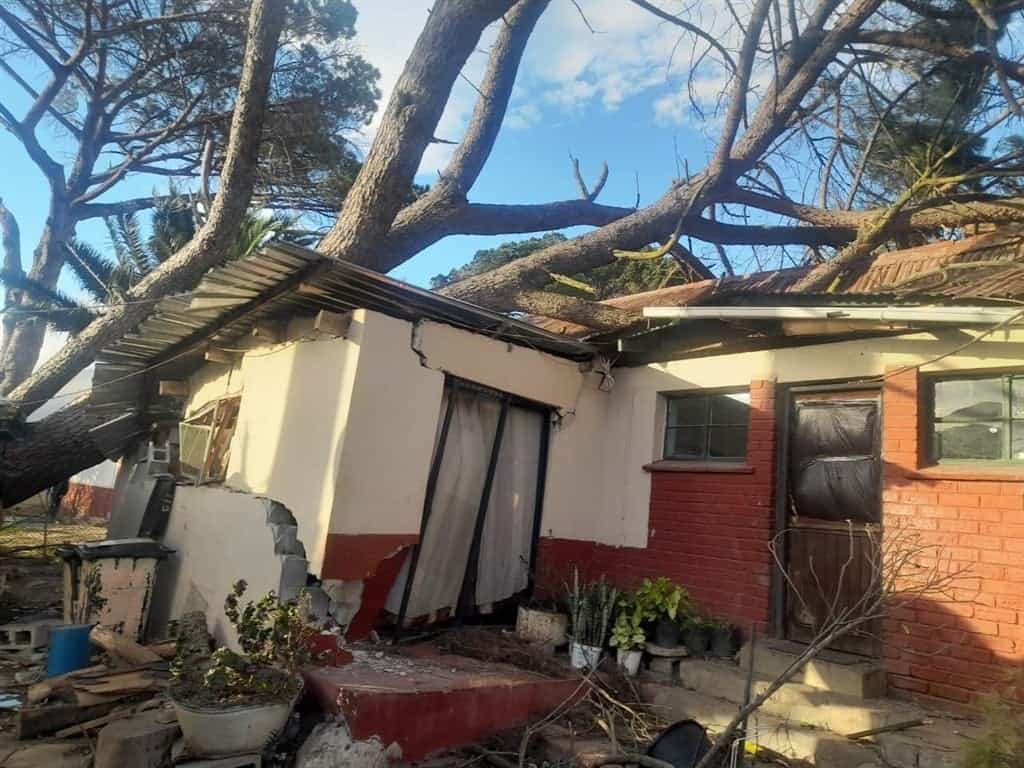
The Western Cape, often referred to as the 'Cape of Storms,' is bracing for an intense weather event characterized by heavy rainfall and powerful winds. In response, the provincial government has taken decisive steps to safeguard its citizens, underscoring that the primary purpose of their interventions is the preservation of human lives. This article explores the government's preparedness measures, the role of climate warnings, and the community's response to this formidable natural challenge.
The Western Cape's moniker, the 'Cape of Storms,' originates from its history of turbulent weather patterns that have shaped the region's maritime and terrestrial landscape. Characterized by sudden, intense storms, the area is prone to severe wind gusts and heavy rainfall, particularly during specific seasons. These conditions pose significant risks to infrastructure, agriculture, and public safety.
Meteorological experts have observed that the convergence of cold fronts from the south and warm air masses from the Indian Ocean contributes to the Cape's volatile weather. As a result, residents often face unpredictable wind storms and flooding, necessitating ongoing vigilance and preparedness.
In recent years, climate change has intensified these weather patterns, leading to more frequent and severe storms. The Western Cape government’s response strategies are thus evolving to address these heightened challenges, focusing on early warning systems and community resilience.
In anticipation of the impending storm, Western Cape Premier Alan Winde announced precautionary measures including the potential closure of schools in the Overberg, Cape Winelands, and Helderberg regions. This decision reflects a cautious approach aimed at minimizing risk to learners and staff amid hazardous conditions.
The South African Weather Service's issuance of a level 9 warning for adverse winds and rain prompted the provincial government to enhance its emergency preparedness. The government’s communication emphasized the importance of prioritizing human life over routine activities, highlighting a shift toward a safety-first paradigm.
Premier Winde’s public briefings served to inform and reassure residents, urging them to adhere to safety directives and remain alert. The government’s transparent engagement with the public illustrates a commitment to community-centered disaster management.
The decision to close schools in vulnerable areas was not taken lightly, as educational disruption carries significant consequences. However, the Western Cape government articulated that the safety of learners and educators must supersede concerns about missed instructional time during extreme weather events.
By closing schools in the Overberg, Cape Winelands, and Helderberg zones, authorities aim to prevent accidents and ensure that children are not exposed to dangerous travel conditions. This measure also allows emergency services to focus resources on critical response efforts without added strain.
The government has committed to providing support to affected schools to mitigate learning loss, including the potential use of remote learning tools. This balanced approach reflects an understanding of both immediate safety needs and long-term educational goals.
Beyond institutional responses, the Western Cape government has urged residents to take personal responsibility for their safety. Public advisories have included guidelines on securing property, avoiding flood-prone areas, and preparing emergency kits.
Community organizations and local municipalities have coordinated to ensure vulnerable populations, such as the elderly and those in informal settlements, receive targeted assistance. This collaborative approach enhances the overall resilience of the province during severe weather.
Emergency services, including police, fire departments, and medical teams, have been placed on high alert to respond swiftly to incidents. The government’s integrated disaster management strategy emphasizes coordination across all sectors to minimize harm.
The South African Weather Service plays a pivotal role in monitoring and forecasting weather patterns that threaten the Western Cape. The level 9 warning signifies a high-risk alert, prompting immediate action from government and citizens alike.
Early warning systems have been enhanced through technological upgrades, enabling faster dissemination of alerts via multiple channels such as SMS, social media, and local radio. This ensures that even remote communities receive timely information.
The effectiveness of these systems relies on public trust and responsiveness. The government’s ongoing efforts to educate residents about interpreting and acting on weather warnings are crucial components of disaster risk reduction.
Severe storms in the Western Cape often result in damage to infrastructure including roads, bridges, and power lines. The government has preemptively assessed vulnerable points and mobilized repair crews to address potential disruptions swiftly.
Environmental consequences such as soil erosion, flooding, and damage to agricultural lands are also of concern. The government collaborates with environmental agencies to monitor ecological impacts and implement mitigation strategies.
Long-term planning includes improving infrastructure resilience and investing in sustainable environmental management to reduce the severity of storm-related damage in future events.
The recent storm warnings highlight the necessity for continuous improvement in disaster preparedness and response. Lessons learned from this event will inform policy adjustments and resource allocation to enhance provincial readiness.
Investing in community education, infrastructure upgrades, and emergency services capacity remains a priority. The government acknowledges that preserving human life requires a multifaceted approach involving all stakeholders.
Furthermore, climate adaptation strategies must be integrated into regional planning to address the increasing frequency of extreme weather. Collaboration between government, scientists, and communities will be essential to build a resilient Western Cape.
As the 'Cape of Storms' faces yet another bout of severe weather, the Western Cape government’s commitment to safeguarding human lives remains unwavering. Through decisive actions such as school closures, public safety advisories, and bolstered emergency services, the province exemplifies a proactive and community-focused approach to disaster management. Moving forward, integrating climate adaptation and resilience into all facets of planning will be essential to protect lives and livelihoods in this dynamic region.
Originally reported by news24.com. Adapted for our readers.
Keep reading
Top Stories
Since the Supreme Court overturned Roe v. Wade in 2022, the landscape of abortion rights in the United S...
Top Stories
Top Stories Tamfitronics One evening in May, nursing assistant Debra Ragoonanan’s vision blurred during her shift at a state-run Massachusetts vet...
Top Stories
2:54 PM Saudi Arabia shouldn’t be part of Iran-U.S. war, Turkish foreign minister says Turkish Foreign Minister Hakan Fidan spoke out Saturday about…
TAMFIS NIG LTD
Electrical and instrumentation engineering, bid preparation and consulting, IT and software.