
Eskom, South Africa’s primary electricity supplier, is on the verge of achieving nearly 80 consecutive days without load shedding, a feat not witnessed since the height of the COVID-19 pandemic. This milestone reflects concerted efforts to stabilize the power grid and restore public confidence. Nevertheless, as winter sets in, electricity demand is rising sharply, surpassing 31,000MW, which threatens to strain the system once again. This article delves into Eskom’s recent performance, the dynamics of winter demand, and the broader context of South Africa’s energy challenges and prospects.
Eskom’s Load Shedding-Free Streak: A Significant Achievement
Eskom’s nearing 80 days without load shedding represents a remarkable turnaround for the utility, which has historically struggled with supply constraints and infrastructure challenges. This period of uninterrupted power supply has brought relief to millions of South Africans who have endured frequent outages in recent years. The streak is the longest since the early days of the COVID-19 pandemic when reduced industrial activity temporarily eased demand pressures.
The absence of load shedding has positive ripple effects across the economy, enhancing productivity, investor confidence, and daily life. Businesses, especially small and medium enterprises, benefit from consistent electricity, reducing operational disruptions and costs related to backup power sources. Moreover, uninterrupted power supply supports essential services such as healthcare and education, which rely heavily on stable electricity.
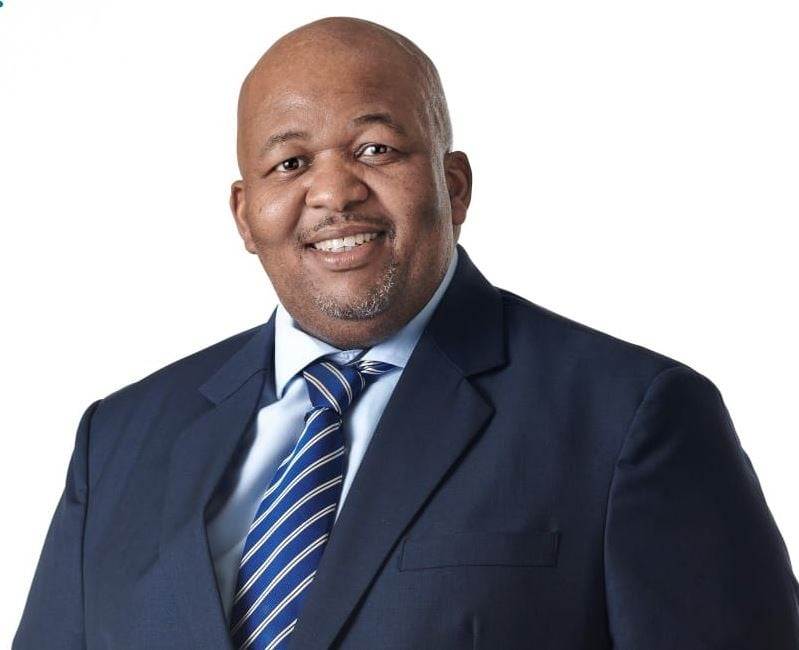
Eskom’s CEO, Dan Marokane, who recently surpassed his first 100 days in office, has been pivotal in steering the utility through this phase. His leadership, combined with targeted maintenance and operational improvements, has contributed to improved generation capacity and system reliability. While challenges remain, this period offers a critical window to consolidate gains and plan for future resilience.
Winter Demand Surge and Its Impact on the Power Grid
Winter in South Africa typically brings increased electricity consumption as households and businesses use heating appliances, leading to peak demand surges. This year, demand has already breached 31,000MW, signaling heightened pressure on Eskom’s generation capacity. Such demand spikes require careful management to avoid overloading the grid and triggering load shedding.
The winter demand surge tests the robustness of Eskom’s infrastructure, which has faced years of underinvestment and maintenance backlogs. Aging power plants and unplanned breakdowns can quickly erode available capacity, making it challenging to meet peak loads. Eskom’s ability to maintain the current load shedding-free streak depends on effective operational coordination and contingency planning.
To mitigate winter demand impacts, Eskom and the government encourage energy efficiency measures and demand-side management. Public awareness campaigns promote responsible electricity use, urging consumers to reduce consumption during peak hours. These efforts, combined with Eskom’s operational strategies, aim to balance supply and demand amid seasonal fluctuations.
Eskom’s Operational Improvements and Maintenance Strategies
Eskom’s recent success in avoiding load shedding is partly attributed to intensified maintenance programs and operational discipline. The utility has prioritized repairing and upgrading critical power stations to improve availability and reduce breakdowns. These efforts have helped increase generation capacity and stabilize the grid.
Strategic maintenance scheduling has been adjusted to avoid simultaneous outages of multiple plants, thereby preserving system stability. Eskom’s focus on predictive maintenance, leveraging data analytics and condition monitoring, enables early identification of potential faults, reducing unplanned downtime.
Despite these improvements, Eskom still faces challenges such as coal supply issues, aging infrastructure, and financial constraints. Continuous investment in maintenance and modernization remains essential to sustaining reliable power supply and preventing future load shedding episodes.
The Role of Renewable Energy and Independent Power Producers
South Africa’s energy mix is gradually evolving with increased integration of renewable energy sources, such as solar and wind, alongside traditional coal-fired power. Independent Power Producers (IPPs) play a growing role in supplementing Eskom’s generation capacity, contributing to a more diversified and resilient grid.
Renewable energy projects offer the dual benefits of reducing carbon emissions and alleviating supply pressures on Eskom’s aging coal fleet. However, variable output from renewables requires effective grid management and storage solutions to ensure consistent power availability, especially during peak demand periods.
While solar installations have slowed recently as load shedding eased, the long-term trend towards renewables remains positive. Continued policy support and investment in renewables and energy storage technologies are critical to South Africa’s energy security and environmental goals.
Government and Stakeholder Initiatives to Support Eskom
The South African government has implemented several initiatives to stabilize Eskom and the national power system. These include financial support packages, regulatory reforms, and efforts to unbundle Eskom into separate entities for generation, transmission, and distribution to improve efficiency and accountability.
Stakeholders such as the Presidential Climate Commission and the Energy Council of South Africa have publicly acknowledged Eskom’s recent progress, emphasizing the importance of transparency and collaboration in addressing energy challenges. Their support underscores the collective responsibility for ensuring a reliable power supply.
Public participation and awareness are also critical, as informed consumers can adopt energy-saving behaviors and support policy measures. Platforms like News24 play a vital role in keeping citizens updated on developments, fostering an informed and engaged public.
Economic Implications of Sustained Power Stability
Sustained periods without load shedding can significantly boost South Africa’s economic prospects. Reliable electricity supply attracts investment, facilitates industrial growth, and enhances competitiveness in regional and global markets. It also reduces operational costs for businesses that previously depended on costly backup power solutions.
Improved power stability can stimulate job creation, particularly in sectors reliant on consistent energy access such as manufacturing, mining, and services. Additionally, it supports the growth of emerging industries, including green technologies and digital services.
Conversely, failure to maintain power stability risks economic contraction, increased unemployment, and reduced investor confidence. Thus, Eskom’s performance has direct and profound implications for the country’s economic trajectory and social wellbeing.
Challenges Ahead: Balancing Supply, Demand, and Sustainability
Despite current successes, Eskom faces ongoing challenges that require careful balancing of supply adequacy, operational reliability, and environmental sustainability. Aging infrastructure, financial constraints, and coal dependency complicate efforts to modernize the power system.
Climate change considerations and international commitments push South Africa towards cleaner energy sources, necessitating a managed transition that maintains energy security and affordability. This transition involves integrating renewables, upgrading grid infrastructure, and expanding energy storage capabilities.
Effective policy coordination, investment, and stakeholder engagement are critical to overcoming these challenges. Eskom’s leadership and government support will play central roles in navigating this complex energy landscape to ensure long-term sustainability.
Looking Forward: Strategies for a Resilient Energy Future
To build on the current load shedding-free streak, Eskom must continue investing in infrastructure maintenance, capacity expansion, and technological innovation. Modernizing aging power plants, enhancing grid management, and deploying smart technologies are key strategies for resilience.
Expanding renewable energy integration and fostering private sector participation through IPPs can diversify supply sources and reduce reliance on coal. Energy efficiency programs and demand-side management will also help balance consumption patterns and reduce peak loads.
Ultimately, a collaborative approach involving government, industry, and consumers is essential. Transparent communication, sound policy frameworks, and sustained investment will underpin South Africa’s journey towards a reliable, sustainable, and inclusive energy future.
Conclusion
Eskom’s near 80-day load shedding-free run marks a hopeful chapter in South Africa’s ongoing energy saga. This period reflects concerted efforts to enhance operational efficiency and stabilize the power grid amid a complex landscape of rising demand and infrastructure challenges. However, the intensifying winter demand serves as a reminder that vigilance and proactive management are imperative. Moving forward, Eskom’s ability to sustain this progress hinges on continued maintenance, strategic investment, renewable integration, and collaborative governance. With these elements in place, South Africa can aspire to a future of reliable, affordable, and sustainable energy that supports economic growth and social development.