
Top Stories
KFF Health News’ ‘What the Health?’: The Supreme Court and the Abortion Pill
Since the Supreme Court overturned Roe v. Wade in 2022, the landscape of abortion rights in the United S...
TAMFIS NIG LTDRC 8067447CAC ACTIVEFinima, Bonny Island, Rivers State

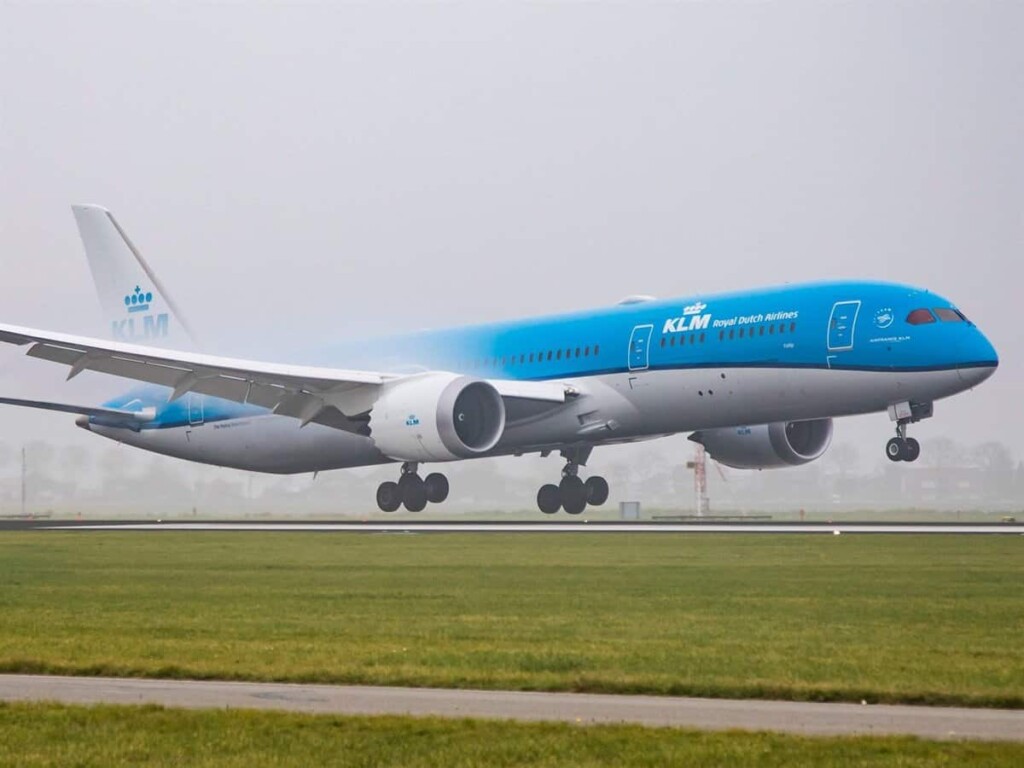
Boeing, one of the world's leading aerospace manufacturers, is currently under scrutiny by the United States Federal Aviation Administration (FAA) over allegations that the company may have falsified records related to inspections on its 787 Dreamliner airplanes. The investigation stems from concerns about whether Boeing completed required inspections ensuring adequate bonding and grounding at the wing-to-fuselage junction, a crucial aspect for aircraft electrical safety. This article delves into the background of the probe, its potential implications for aviation safety, and the broader consequences for Boeing and the aerospace industry.
The Boeing 787 Dreamliner is a state-of-the-art aircraft known for its fuel efficiency and advanced technology. However, recent revelations suggest that Boeing may have failed to complete mandatory inspections on certain 787 models, specifically related to electrical bonding and grounding. These inspections are vital to ensure that different aircraft components maintain stable electrical connections, preventing potential malfunctions or hazards during flight.
The FAA initiated the investigation after Boeing voluntarily disclosed concerns about incomplete inspections. This self-reporting indicates that Boeing identified possible lapses in its quality assurance processes, prompting federal authorities to assess the extent and impact of these issues. The probe focuses on verifying whether the inspection records were accurate or falsified to conceal non-compliance.
This development is particularly significant because it involves safety-critical systems. Electrical bonding and grounding are essential for protecting aircraft from electrical faults, which can lead to system failures or even fires. Ensuring these inspections are properly conducted and documented is a regulatory requirement enforced by the FAA to uphold aviation safety standards.
Electrical bonding and grounding in aircraft ensure that all metallic parts are electrically connected to prevent static electricity buildup and provide a path for electrical currents to safely dissipate. This process is crucial to avoid electrical shocks, interference with avionics, or ignition of flammable vapors within the aircraft structure.
In the context of the Boeing 787 Dreamliner, the wing-to-fuselage interface is a critical junction where structural components meet. Proper bonding and grounding at this junction ensures the aircraft’s electrical systems function reliably, especially under varying atmospheric conditions encountered during flight.
Failure to perform these inspections compromises the aircraft’s safety integrity and could result in severe consequences. The FAA’s concern centers on whether Boeing fully complied with inspection protocols designed to detect and correct any bonding or grounding deficiencies. Inadequate bonding can lead to electrical hazards that endanger passengers and crew.
The FAA’s investigation was triggered after Boeing informed the agency about potential lapses in inspections on some 787 Dreamliners. The agency’s role is to verify the accuracy of the company’s disclosures and determine if regulatory violations occurred. This includes reviewing inspection records, auditing manufacturing processes, and possibly inspecting aircraft in service.
Boeing has expressed cooperation with the FAA, emphasizing its commitment to safety and transparency. The company reportedly initiated internal reviews to identify the scope of the issue and implement corrective measures. Boeing’s response aims to reassure regulators, customers, and the public that safety concerns are being addressed proactively.
The investigation’s outcome could have far-reaching effects, including mandatory inspections, retrofits, or operational restrictions on affected aircraft. Additionally, if falsification of records is confirmed, Boeing may face penalties and increased regulatory oversight, impacting its reputation and financial standing.
This probe underscores the critical importance of rigorous quality control and regulatory compliance in aerospace manufacturing. Aircraft rely on meticulous inspections to ensure every component meets stringent safety standards. Any deviation or falsification undermines trust in the aviation industry as a whole.
The 787 Dreamliner is operated by airlines worldwide, meaning that any safety issues related to these inspections could have global ramifications. Regulatory bodies in other countries may also initiate their own reviews or impose additional scrutiny on Boeing’s manufacturing practices.
Furthermore, this situation highlights the need for continuous vigilance by both manufacturers and regulators to prevent lapses. It also raises questions about internal controls within Boeing and the effectiveness of oversight mechanisms designed to detect and prevent falsified documentation.
Boeing has faced multiple challenges in recent years, including the 737 MAX crises and pandemic-related disruptions. The current FAA investigation adds to these pressures, potentially affecting investor confidence and customer relations.
Airlines may reconsider future orders or demand assurances and modifications before accepting new 787 aircraft. Delays in deliveries or mandatory inspections could lead to financial losses and contractual penalties for Boeing.
Moreover, negative publicity surrounding safety concerns can damage Boeing’s brand reputation, influencing market share and competitive positioning against rivals like Airbus. The company must navigate these challenges carefully to restore stakeholder trust.
If evidence confirms that Boeing falsified inspection records, the company could face significant legal and regulatory repercussions. This may include fines, sanctions, or mandated corrective actions imposed by the FAA and other aviation authorities.
Legal actions could also arise from affected airlines, passengers, or shareholders seeking accountability for potential safety risks or financial damages. Such litigation would compound Boeing’s existing legal challenges and increase scrutiny on corporate governance practices.
The investigation may prompt regulatory agencies to tighten inspection requirements and oversight protocols across the aerospace sector, aiming to prevent similar issues in the future and enhance overall aviation safety.
Airlines operating the 787 Dreamliner are closely monitoring the situation, evaluating the need for additional inspections or operational adjustments. Passenger confidence in affected aircraft could be shaken, necessitating transparent communication from airlines and manufacturers.
Aviation experts and industry analysts emphasize the importance of maintaining rigorous safety standards and the role of regulatory bodies in enforcing compliance. They advocate for thorough investigations and swift corrective measures to uphold the integrity of global aviation.
Other aerospace manufacturers and suppliers may also review their quality assurance processes to ensure similar lapses do not occur. The incident serves as a cautionary tale reinforcing the criticality of accurate documentation and ethical manufacturing practices.
As the FAA continues its investigation, Boeing is expected to provide detailed reports and implement corrective actions where necessary. Transparency and cooperation will be vital to resolving the issues and restoring confidence in the 787 program.
The investigation’s findings may lead to enhanced inspection protocols, revised manufacturing processes, and increased regulatory oversight. These measures aim to prevent recurrence and reinforce the safety culture within Boeing and the wider aerospace industry.
Stakeholders, including airlines, regulators, and passengers, will be watching closely to see how Boeing addresses the probe’s outcomes. The company’s ability to manage this crisis effectively will influence its future trajectory and role as a global aerospace leader.
The FAA’s investigation into Boeing’s handling of inspection records on the 787 Dreamliner represents a significant moment for aviation safety and corporate accountability. While Boeing has taken steps to address potential lapses, the probe underscores the critical importance of transparency, rigorous quality assurance, and adherence to regulatory standards. As the aerospace industry navigates these challenges, maintaining passenger safety and trust remains paramount. The outcome of this investigation will not only impact Boeing’s future but also influence broader industry practices and regulatory frameworks worldwide.
Originally reported by news24.com. Adapted for our readers.
Keep reading
Top Stories
Since the Supreme Court overturned Roe v. Wade in 2022, the landscape of abortion rights in the United S...
Top Stories
Top Stories Tamfitronics One evening in May, nursing assistant Debra Ragoonanan’s vision blurred during her shift at a state-run Massachusetts vet...
Top Stories
2:54 PM Saudi Arabia shouldn’t be part of Iran-U.S. war, Turkish foreign minister says Turkish Foreign Minister Hakan Fidan spoke out Saturday about…
TAMFIS NIG LTD
Electrical and instrumentation engineering, bid preparation and consulting, IT and software.