
Top Stories
KFF Health News’ ‘What the Health?’: The Supreme Court and the Abortion Pill
Since the Supreme Court overturned Roe v. Wade in 2022, the landscape of abortion rights in the United S...
TAMFIS NIG LTDRC 8067447CAC ACTIVEFinima, Bonny Island, Rivers State

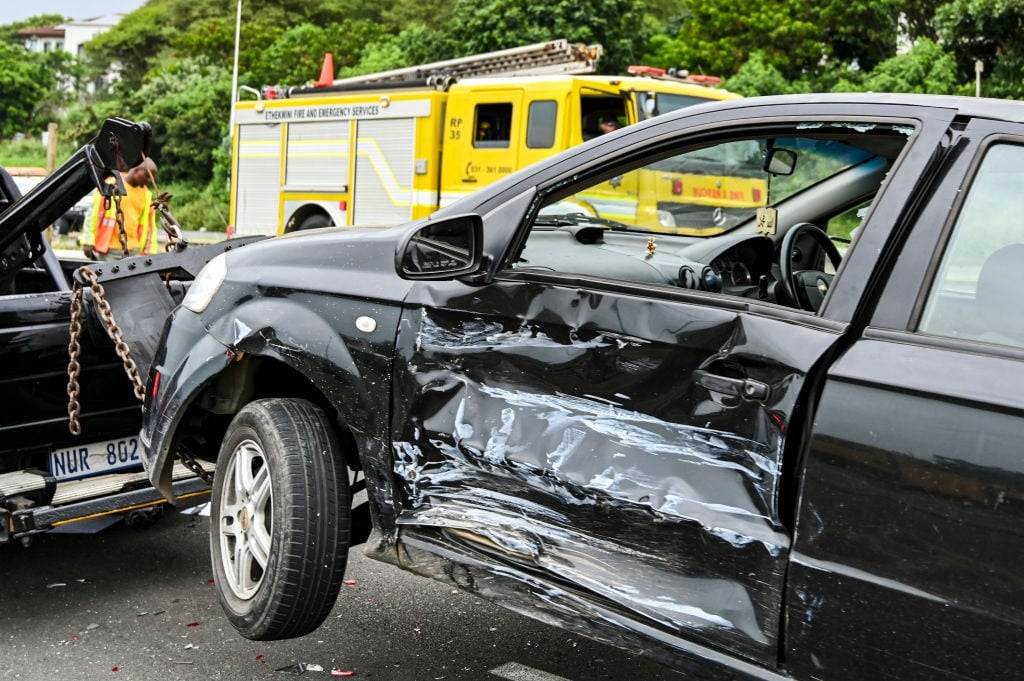
A growing crisis is unfolding in South Africa’s Road Accident Fund (RAF), where more than 70 medical experts from various specialties are collectively owed over R150 million for professional services rendered. These debts, some outstanding for as long as seven years, have prompted the experts to seek direct intervention from the Minister of Transport, Barbara Creecy. The dispute centers on the authorization of their appointments and the RAF’s refusal to settle outstanding invoices, raising concerns about leadership, accountability, and the fund’s ability to fulfill its mandate.
The Road Accident Fund is a statutory body responsible for compensating victims of road accidents in South Africa. To assess claims, the RAF relies heavily on medical experts, including surgeons, psychologists, and occupational therapists, who provide detailed reports to aid in determining appropriate compensation.
These experts are usually appointed either directly by the RAF or through a panel of attorneys authorized by the fund. Their assessments and reports are integral to the legal process, often used in courts to resolve disputes related to compensation claims.
More than 70 medical professionals have written to Minister Barbara Creecy, expressing frustration over unpaid fees for services rendered to the RAF. Some debts date back as far as seven years, with the total amount owed exceeding R150 million. The experts claim they have never acted independently but always under written instructions from either the RAF or its panel of attorneys.
The RAF, however, disputes these claims. According to McIntosh Polela, the fund’s head of corporate communications, the experts were not appointed by the RAF but allegedly by a now-dismissed panel of lawyers. The RAF’s Service Level Agreement with these attorneys required written authorization before engaging medical experts, and the fund denies liability for any fees charged without such authorization.
Polela further asserts that most unpaid claims were unauthorized due to negligence by the former panel attorneys. This has led to a complex situation where the RAF refuses to pay, citing procedural lapses, while the experts maintain their appointments and reports were legitimate and necessary.
The refusal to pay has had severe consequences for the medical professionals involved. Clinical psychologist Monique Kok highlighted that some experts have faced financial ruin, with reports of businesses closing and homes lost due to unpaid invoices. These experts have also incurred out-of-pocket expenses for translators, transcribers, equipment, and testing materials necessary for their assessments.
Psychologist Chris Sampson, who is personally owed approximately R3 million, described the situation as untenable. Payments have become sporadic since 2017 and ceased entirely after the Covid-19 pandemic. He detailed numerous excuses from the RAF, including lost invoices, delayed reports, and disputes over tariff charges. Despite the hardships, litigation is not a viable option for most experts due to limited financial resources.
The experts have formally requested a meeting with Minister Barbara Creecy, urging her to address what they describe as a systemic failure within the RAF. They accuse the fund’s leadership of incompetence, arrogance, and evasion of fiduciary responsibilities, which have led to the breakdown of its core functions.
In letters dated July 12, following an earlier unanswered appeal to the previous minister, the experts implored Creecy to install leadership capable of restoring integrity and proper functioning to the RAF. They emphasize their long-standing commitment to public service and the critical role their work plays in ensuring fair compensation for accident victims.
The RAF has acknowledged receipt of these letters, but as of now, no public comment or resolution has been forthcoming from the minister’s office.
The ongoing dispute reveals deeper issues within the RAF’s operational framework. The reliance on a panel of attorneys to appoint medical experts, combined with unclear authorization protocols, has created loopholes that impact service delivery and financial accountability.
Court cases indicate that the RAF has not consistently complied with payment obligations to claimants and experts alike. This non-compliance undermines public trust and raises questions about governance and oversight within the fund.
Moreover, the financial strain on medical experts threatens the availability and quality of assessments critical to the claims process, potentially delaying justice for accident victims.
The impasse between the Road Accident Fund and the medical experts it relies upon underscores significant governance and operational challenges within the fund. While the RAF cites procedural issues to justify non-payment, the accumulating debts and the resulting financial distress among experts threaten the fund’s core mission to compensate accident victims fairly and promptly. Minister Barbara Creecy’s response will be pivotal in resolving this dispute and restoring confidence in the RAF’s administration. Until then, the backlog of unpaid claims and the strain on expert services remain critical concerns for South Africa’s road accident compensation system.
Originally reported by news24.com. Adapted for our readers with AI assistance.
Keep reading
Top Stories
Since the Supreme Court overturned Roe v. Wade in 2022, the landscape of abortion rights in the United S...
Top Stories
Top Stories Tamfitronics One evening in May, nursing assistant Debra Ragoonanan’s vision blurred during her shift at a state-run Massachusetts vet...
TAMFIS NIG LTD
Electrical and instrumentation engineering, bid preparation and consulting, IT and software.

