
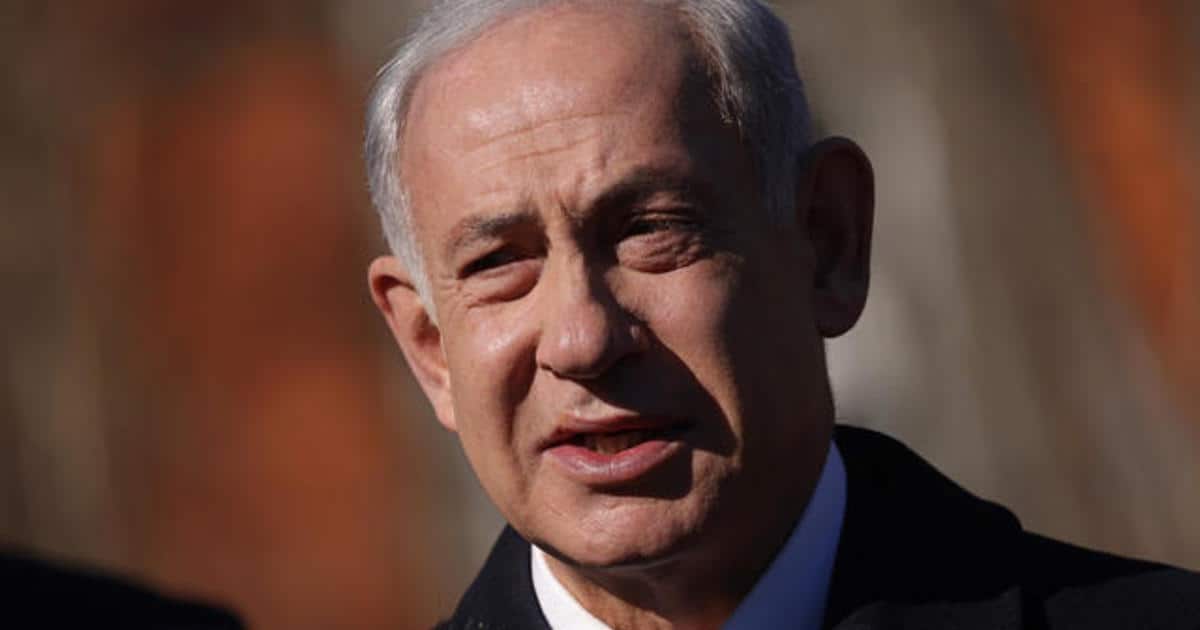
In a significant development amid ongoing regional challenges, Israeli Prime Minister Benjamin Netanyahu has authorized the opening of three humanitarian corridors, a decision that came shortly after a strategic phone conversation with U.S. President Joe Biden. The corridors are intended to enable the safe passage of aid and essential supplies, addressing critical humanitarian concerns while balancing complex security considerations. This article explores the background, implications, and potential impact of this decision on regional stability and international relations.
Background of the Netanyahu-Biden Call
The recent phone call between Prime Minister Benjamin Netanyahu and President Joe Biden underscores the close diplomatic relationship between Israel and the United States. Amid escalating tensions in the Middle East, the dialogue focused on security, humanitarian needs, and regional stability. Biden emphasized the importance of addressing humanitarian concerns, prompting Netanyahu to take swift action.
This conversation reflects the United States' continued role as a key ally and mediator in the region, seeking to balance Israel’s security imperatives with the necessity to provide humanitarian assistance to affected civilian populations. The call served as a catalyst for Netanyahu’s decision to open the corridors, signaling a coordinated approach.
The timing of the call and subsequent announcement is critical, as it comes during a period marked by heightened conflict and international scrutiny. The move demonstrates responsiveness to international pressure and a willingness to cooperate on humanitarian grounds without compromising Israel’s security.
Understanding the Purpose of the Humanitarian Corridors
Humanitarian corridors are designated routes that allow for the safe passage of aid, medical supplies, and personnel into conflict-affected areas. In this instance, the three corridors opened by Israel aim to facilitate the delivery of essential assistance to vulnerable populations impacted by ongoing hostilities.
These corridors are crucial for mitigating the humanitarian crisis by ensuring that food, water, medical care, and other vital resources reach civilians trapped in conflict zones. The initiative reflects an acknowledgment of the urgent need to balance military operations with humanitarian obligations.
Establishing these corridors requires meticulous coordination to prevent exploitation by hostile actors and to maintain security. Israel’s decision to open these pathways indicates a strategic effort to uphold humanitarian principles while safeguarding national interests.
Details of the Three Humanitarian Corridors
While specific geographic details of the corridors have not been fully disclosed for security reasons, reports suggest that they encompass key entry points facilitating aid flow into areas experiencing significant civilian distress. These corridors are designed to minimize disruption to ongoing security operations.
Each corridor is likely to be managed with strict oversight mechanisms involving Israeli authorities and possibly international organizations to monitor aid distribution and ensure compliance with agreed protocols. This oversight aims to prevent diversion of aid and maintain transparency.
The corridors also represent a logistical challenge, requiring coordination between multiple agencies and stakeholders. Effective management will be essential to maximize aid delivery efficiency while maintaining security and order.
Implications for Israel’s Security and Regional Diplomacy
Opening humanitarian corridors amid ongoing conflict presents a complex security calculus for Israel. While facilitating aid is essential, there is an inherent risk that such corridors could be exploited by hostile groups to smuggle weapons or personnel. Israel’s security apparatus is expected to implement stringent measures to mitigate these risks.
Diplomatically, the move signals Israel’s willingness to engage with international humanitarian norms and respond to global calls for assistance to civilians. It also strengthens Israel’s relationship with the United States, showcasing alignment on addressing humanitarian issues without undermining security.
Regionally, the corridors may influence the dynamics of conflict by alleviating some civilian suffering, potentially reducing international criticism and pressure. However, the corridors also require ongoing negotiation and trust-building with neighboring entities to ensure their effectiveness.
International Reactions and Support
The international community has largely welcomed the opening of humanitarian corridors as a positive step toward addressing the urgent needs of civilians caught in conflict zones. Humanitarian organizations have expressed cautious optimism, emphasizing the importance of unimpeded access.
The United States, having played a key role in urging the establishment of these corridors, views this development as a demonstration of effective bilateral cooperation. Washington continues to advocate for humanitarian principles alongside Israel’s legitimate security concerns.
Other global actors and regional powers are observing the situation closely, assessing how the corridors might impact broader geopolitical interests and humanitarian conditions. Continued international support and monitoring will be critical to ensure the corridors achieve their intended purpose.
Challenges in Implementing and Maintaining the Corridors
Despite their potential benefits, humanitarian corridors face significant implementation challenges, including ensuring the safety of aid workers, maintaining secure transit routes, and preventing aid diversion. These challenges necessitate robust coordination among military, governmental, and humanitarian actors.
The volatile security environment can disrupt corridor operations, requiring adaptive strategies and contingency planning. Any breach or misuse of the corridors could undermine trust and jeopardize future humanitarian efforts.
Effective communication with local populations and stakeholders is essential to facilitate cooperation and minimize misunderstandings. Transparent monitoring and reporting mechanisms will help maintain accountability and build confidence in the corridors’ integrity.
Potential Impact on Civilian Populations
The establishment of humanitarian corridors is expected to alleviate some of the immediate hardships faced by civilians in conflict-affected zones. Access to food, medical care, and essential supplies can significantly improve living conditions and reduce mortality rates.
These corridors may also provide a foundation for longer-term humanitarian engagement and post-conflict recovery efforts, contributing to stability and resilience in affected communities. The psychological impact of receiving aid can foster hope and reduce tensions.
However, the effectiveness of these corridors in reaching all vulnerable populations remains contingent on security conditions and logistical capacity. Continuous assessment and adaptation will be necessary to ensure equitable aid distribution.
Looking Ahead: The Future of Humanitarian Efforts in the Region
The opening of these three humanitarian corridors marks a critical step in balancing security concerns with humanitarian imperatives. Going forward, sustained cooperation between Israel, the United States, and international humanitarian organizations will be vital to maintain and expand aid access.
Future efforts may include negotiating additional corridors, enhancing monitoring mechanisms, and fostering dialogue with regional stakeholders to support peace and stability. Lessons learned from current operations can inform best practices for managing humanitarian access during conflict.
Ultimately, the success of these corridors will depend on political will, security conditions, and international engagement. Continued attention to humanitarian needs is essential to mitigate the human cost of conflict and to promote durable solutions.
Conclusion
The opening of three humanitarian corridors by Prime Minister Benjamin Netanyahu, following a strategic call with President Joe Biden, represents a significant advancement in addressing the humanitarian crisis amid ongoing regional conflict. This initiative underscores the delicate balance between ensuring national security and fulfilling humanitarian responsibilities. While challenges in implementation persist, the corridors offer hope for improved aid access and civilian relief. Moving forward, continued diplomatic engagement, rigorous oversight, and international support will be crucial in sustaining these efforts and fostering stability in the region.