Top Stories
KFF Health News’ ‘What the Health?’: The Supreme Court and the Abortion Pill
Since the Supreme Court overturned Roe v. Wade in 2022, the landscape of abortion rights in the United S...
TAMFIS NIG LTDRC 8067447CAC ACTIVEFinima, Bonny Island, Rivers State

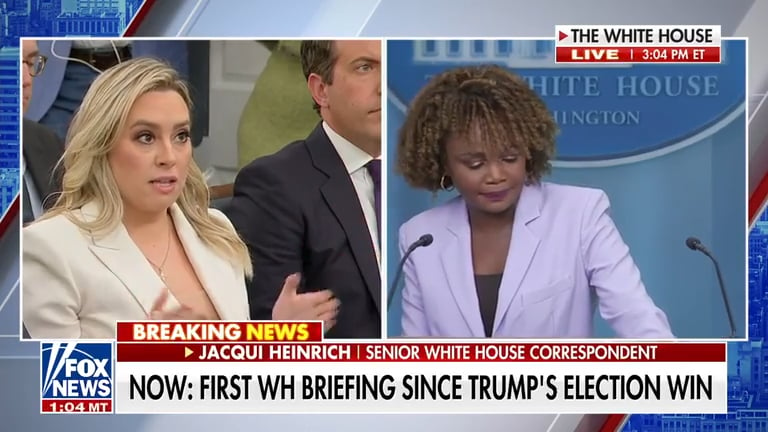
In the wake of the recent U.S. presidential election, White House Press Secretary Karine Jean-Pierre faced pointed questions regarding President Biden’s shift in tone about the state of American democracy. Previously, Biden and his administration had issued stern warnings about threats to democratic norms, particularly concerning former President Donald Trump and his supporters. However, Biden's recent conciliatory remarks on accepting election results and promoting unity prompted scrutiny. Jean-Pierre’s firm rebuttal to these inquiries sheds light on the administration’s messaging strategy and the complex dynamics of political communication in a polarized environment.
Before the 2024 presidential election, President Joe Biden and his administration frequently voiced concerns about potential threats to American democracy. Biden described former President Donald Trump and his allies as risks to democratic institutions, warning that if Trump won, the fundamental rights and freedoms of millions of Americans could be imperiled. These warnings were part of a broader effort to alert voters to what the administration viewed as unprecedented challenges to democratic norms.
These messages underscored fears about election integrity and the possibility of an undemocratic transfer of power. The administration sought to rally voters around the importance of safeguarding democracy, emphasizing that the stakes of the election extended beyond policy differences to the very survival of democratic governance. This rhetoric set a tone of urgency and caution among many Democrats and their supporters.
However, these pre-election warnings also contributed to heightened political tensions and deepened divisions between parties. Critics accused the Biden administration of stoking fear and undermining confidence in electoral processes, while supporters argued that vigilance was necessary to protect democracy from real threats. This backdrop is essential to understanding the context of Jean-Pierre’s recent exchanges with the press.
Following the 2024 election, President Biden took a noticeably conciliatory tone. In brief remarks shortly after the vote, he congratulated President-elect Trump and committed his administration to ensuring a peaceful and orderly transfer of power. Biden emphasized unity, framing political campaigns as contests between competing visions rather than battles between adversaries.
He stressed that loving one’s country should transcend electoral outcomes and political disagreements, urging Americans to see each other as fellow citizens rather than enemies. This message marked a significant pivot from earlier warnings and reflected an attempt to heal political fractures and restore faith in democratic institutions.
This shift was welcomed by many who hoped it would reduce tensions and foster national cohesion. Yet, it also raised questions about how the administration reconciles its earlier stark warnings with this more optimistic and unifying stance.
During a press briefing, Fox News senior correspondent Jacqui Heinrich pressed White House Press Secretary Karine Jean-Pierre on this apparent change in messaging. Heinrich referenced Biden’s prior warnings about democracy being at risk and asked how the administration could now assert that the country would be ‘okay’ after the election.
Jean-Pierre responded firmly, stating that the election was free and fair, the American people had spoken, and the administration respects the process. She emphasized the president’s commitment to a peaceful transfer of power and to leading by example, underscoring the importance of respecting the election outcome.
When pressed further about fears some Americans might still hold based on earlier warnings, Jean-Pierre bristled, accusing the reporter of twisting her words. She insisted that she had been clear and respectful in her statements and reaffirmed the administration’s dedication to delivering a peaceful transition for the American people.
The exchange highlights the challenges political communicators face in balancing urgency and reassurance. Before the election, warnings about threats to democracy aimed to mobilize voters and protect democratic institutions, but post-election messaging shifted towards unity and acceptance to promote stability.
This dynamic reflects the tension between rallying a political base and governing a diverse nation. Messaging must adapt to evolving circumstances while maintaining credibility and trust. Jean-Pierre’s frustration in the briefing underscores how difficult it can be for spokespeople to navigate nuanced shifts without being accused of inconsistency or dishonesty.
Moreover, the incident illustrates the adversarial nature of contemporary political journalism, where press secretaries often confront tough questions that challenge the administration’s narrative. The balance between transparency, accountability, and strategic communication remains a delicate one.
Jean-Pierre’s firm stance garnered mixed reactions across the political spectrum. Supporters praised her for defending the administration’s position and emphasizing respect for democratic processes. They saw her responses as reinforcing the importance of a peaceful transfer of power and rejecting attempts to sow division.
Conversely, critics accused her of deflecting legitimate concerns and avoiding direct answers about the administration’s earlier rhetoric. Some viewed her reaction as indicative of a broader tendency within the Biden administration to control narratives tightly and dismiss dissenting viewpoints.
The exchange also sparked discussion about the media’s role in probing government messaging and holding officials accountable, especially when official statements appear to evolve or contradict previous positions.
The incident involving Jean-Pierre’s exchange with the press reflects broader trends in American political discourse, characterized by polarization and skepticism. As political figures navigate complex realities, the risk of perceived inconsistencies increases, which can fuel distrust among the public.
Moving forward, administrations may need to develop more nuanced communication strategies that acknowledge uncertainties and complexities without exacerbating fears or alienating segments of the population. Transparency and consistency will be key to rebuilding confidence in democratic institutions.
This situation also underscores the importance of media literacy among the public to critically evaluate political messaging and understand the context behind evolving narratives.
Karine Jean-Pierre has served as White House Press Secretary since May 2022, becoming a prominent figure in shaping and conveying the Biden administration’s messaging. Her role requires managing a constant flow of information and responding to diverse and often confrontational media inquiries.
Jean-Pierre’s background as a political campaign strategist and activist informs her approach, blending advocacy with the demands of official communication. Her recent exchange demonstrates the pressures press secretaries face when navigating politically charged topics under intense scrutiny.
Her performance in this instance reveals both the difficulties of the role and the high stakes involved in maintaining the administration’s credibility while engaging with a skeptical and polarized press landscape.
The confrontation between Jean-Pierre and the press underscores the need for respectful and constructive political dialogue. As the nation grapples with deep divisions, fostering understanding and avoiding the distortion of words are critical to bridging gaps.
Political leaders and their representatives must strive to communicate clearly and empathetically, recognizing the impact their words have on public perception and social cohesion. Similarly, the media plays a vital role in ensuring accountability without resorting to misrepresentation.
Ultimately, building a healthier political environment requires commitment from all stakeholders to uphold democratic values, encourage honest discourse, and respect differing perspectives.
Karine Jean-Pierre’s sharp response to questions about the Biden administration’s shifting rhetoric on democracy highlights the complexities inherent in political communication during turbulent times. While the administration’s initial warnings aimed to protect democratic values, the post-election emphasis on unity reflects a necessary pivot toward healing and stability. Jean-Pierre’s insistence on respecting the election outcome and a peaceful transfer of power underscores the administration’s priorities, even as media scrutiny remains intense. This episode serves as a reminder of the importance of clear, consistent messaging and respectful discourse in fostering public trust and safeguarding democracy in a deeply divided nation.
Originally reported by nypost.com. Adapted for our readers.
Keep reading
Top Stories
Since the Supreme Court overturned Roe v. Wade in 2022, the landscape of abortion rights in the United S...
Top Stories
Top Stories Tamfitronics One evening in May, nursing assistant Debra Ragoonanan’s vision blurred during her shift at a state-run Massachusetts vet...
Top Stories
2:54 PM Saudi Arabia shouldn’t be part of Iran-U.S. war, Turkish foreign minister says Turkish Foreign Minister Hakan Fidan spoke out Saturday about…
TAMFIS NIG LTD
Electrical and instrumentation engineering, bid preparation and consulting, IT and software.