
Top Stories
KFF Health News’ ‘What the Health?’: The Supreme Court and the Abortion Pill
Since the Supreme Court overturned Roe v. Wade in 2022, the landscape of abortion rights in the United S...
TAMFIS NIG LTDRC 8067447CAC ACTIVEFinima, Bonny Island, Rivers State

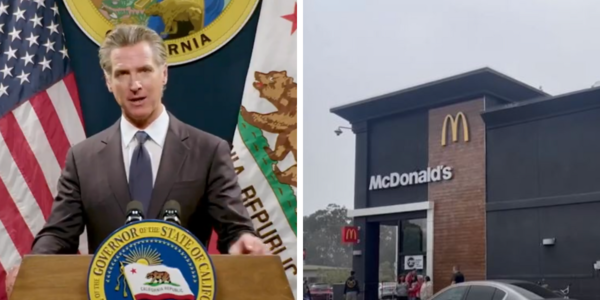
After serving the San Francisco community for over 30 years, a beloved McDonald’s restaurant located in the Stonestown Galleria shopping mall announced its permanent closure last weekend. The decision, as revealed by franchise owner Scott Rodrick, was driven by a convergence of economic pressures including California’s recent minimum wage hike to $20 per hour for fast food workers, increased property taxes, and heightened tenant fees. This closure highlights the broader implications of state policies on small and family-owned businesses, raising questions about sustainability in the fast-food industry within high-cost urban centers like San Francisco. In this article, we explore the factors that led to the shutdown, the impact on the local community, and the ongoing debate surrounding labor laws and business viability in California.
The McDonald’s at Stonestown Galleria has been a staple in the San Francisco community for more than three decades, serving generations of residents and visitors. Known for its convenient location and family-friendly atmosphere, it was a popular spot for morning breakfasts and after-shopping meals. The restaurant’s longevity speaks to its role as more than just a fast-food outlet; it was a neighborhood fixture fostering daily connections and routines.
Over the years, the franchise built a loyal customer base that appreciated both the affordability and familiarity of the menu. From Egg McMuffins in the morning to Happy Meals enjoyed by children after school, the restaurant was embedded in the daily lives of many San Franciscans. Its closure not only marks the end of a business but also the loss of a community gathering point.
The decision to close after 30 years underscores the significant challenges facing long-standing businesses in San Francisco amid shifting economic policies. It raises concerns about the future of similar establishments and the cultural fabric of neighborhoods that rely on them for affordable dining options.
In April 2024, California implemented a new minimum wage law that raised the minimum hourly pay for fast food workers to $20. This increase was part of Governor Gavin Newsom’s broader agenda to improve living standards for low-wage workers in the state. While well-intentioned, the policy has generated significant controversy among business owners, particularly those operating in high-rent urban areas.
Franchise owner Scott Rodrick highlighted that the wage hike created an 'extraordinary headwind' for operating a successful family business. Labor costs in fast food are a substantial component of overall expenses, and doubling or significantly increasing wages can disrupt profit margins, especially in competitive markets with tight operational budgets.
Many fast food establishments have warned that such wage increases could lead to layoffs, reduced hours, or increased menu prices to offset rising costs. The Stonestown McDonald’s closure is one of the earliest visible consequences of this policy, signaling potential ripple effects across other franchises and chains within California.
In addition to wage increases, escalating property taxes and tenant fees have placed further financial strain on the Stonestown McDonald’s location. San Francisco’s commercial real estate market is known for its high costs, and recent tax adjustments have compounded the pressure on small and medium-sized enterprises.
Tenant fees, which can include maintenance charges, common area expenses, and other operational costs imposed by shopping mall landlords, have also increased. These fees directly impact profitability, especially for businesses with narrow margins like fast food restaurants.
Scott Rodrick cited these combined economic factors as key reasons for the closure, emphasizing that the cumulative effect made continued operation untenable. This situation reflects broader challenges faced by many businesses navigating the complex and often costly commercial real estate environment in urban California.
The shutdown of a long-standing McDonald’s franchise affects not only the business owners but also employees, customers, and the local economy. Workers employed at the location face job loss, which can be particularly challenging in a city with a high cost of living. The closure reduces employment opportunities for entry-level and part-time workers who rely on such jobs.
For the community, the closure means fewer affordable dining options, which can disproportionately impact lower-income residents and families. The loss of a familiar neighborhood eatery also affects social dynamics, as such establishments often serve as informal community hubs.
Economically, the closure signifies a contraction in the local retail and service sector, potentially reducing foot traffic in the Stonestown Galleria and impacting other nearby businesses. It also sends a cautionary message to other franchise owners and entrepreneurs about the viability of operating in San Francisco under current economic policies.
The closure is not an isolated incident; it reflects a growing trend of fast food and restaurant chains struggling in California’s challenging business environment. For example, Rubio’s Coastal Grill recently announced the closure of 48 California locations and filed for bankruptcy, citing similar financial pressures.
Many chains have publicly expressed concerns about the impact of rising wages, taxes, and regulatory costs on their ability to maintain operations and profitability. Some have considered reducing staff, automating services, or increasing prices to adapt to the new economic reality.
These developments highlight the tension between improving worker wages and maintaining a healthy business ecosystem. Policymakers and business leaders are engaged in ongoing debates about finding a balance that supports both workers’ rights and business sustainability in the state.
Governor Gavin Newsom has championed policies aimed at raising the minimum wage and enhancing worker protections, positioning California as a leader in progressive labor reforms. His administration argues that increasing wages is essential to reducing poverty and improving quality of life for low-income workers.
Newsom’s policies also include measures to address housing affordability and tenant protections, though critics argue that the cumulative effect of these regulations creates burdens for business owners. The McDonald’s closure exemplifies the unintended consequences that can arise when multiple policy changes intersect.
While supporters praise the governor’s commitment to social equity, opponents call for more nuanced approaches that consider the economic realities faced by small businesses. The challenge lies in crafting legislation that promotes fairness without undermining economic vitality or job creation.
Addressing the challenges faced by businesses like the Stonestown McDonald’s requires collaborative efforts between government, business owners, and community stakeholders. Potential solutions include phased wage increases, targeted tax relief, and more flexible tenant agreements to ease financial pressures.
Investing in workforce training and technology can also help businesses improve efficiency and offset higher labor costs. Some experts advocate for policies that incentivize innovation and entrepreneurship to sustain economic growth while protecting workers.
The future of small businesses in San Francisco depends on balancing regulatory goals with practical support measures. Lessons learned from recent closures may guide policymakers in refining strategies that nurture both business success and social equity.
Local residents expressed mixed emotions following the McDonald’s closure, with many mourning the loss of a familiar dining spot while understanding the economic reasons behind it. Social media posts highlighted personal memories tied to the restaurant, emphasizing its role in daily life over three decades.
Community advocates have called for increased dialogue between policymakers and business owners to prevent similar closures in the future. They stress the need for solutions that preserve affordable food options and maintain neighborhood vitality.
The closure also sparked conversations about broader economic inequality and the challenges of urban living in San Francisco. It serves as a reminder of how policy decisions can reverberate through communities, affecting not just businesses but social cohesion and quality of life.
The closure of the Stonestown McDonald’s underscores the complex interplay between progressive labor policies and the economic realities faced by small businesses in California. While Governor Gavin Newsom’s minimum wage hike and related measures aim to promote fairness and improve worker welfare, they also introduce significant challenges for family-owned franchises operating in high-cost urban environments. This event serves as a case study illustrating the need for balanced approaches that support both workers and business sustainability. Moving forward, collaborative solutions involving policymakers, business owners, and communities will be essential to preserve economic vitality and social cohesion in San Francisco and beyond.
Originally reported by humanevents.com. Adapted for our readers.
Keep reading
Top Stories
Since the Supreme Court overturned Roe v. Wade in 2022, the landscape of abortion rights in the United S...
Top Stories
Top Stories Tamfitronics One evening in May, nursing assistant Debra Ragoonanan’s vision blurred during her shift at a state-run Massachusetts vet...
TAMFIS NIG LTD
Electrical and instrumentation engineering, bid preparation and consulting, IT and software.

