
Top Stories
KFF Health News’ ‘What the Health?’: The Supreme Court and the Abortion Pill
Since the Supreme Court overturned Roe v. Wade in 2022, the landscape of abortion rights in the United S...
TAMFIS NIG LTDRC 8067447CAC ACTIVEFinima, Bonny Island, Rivers State

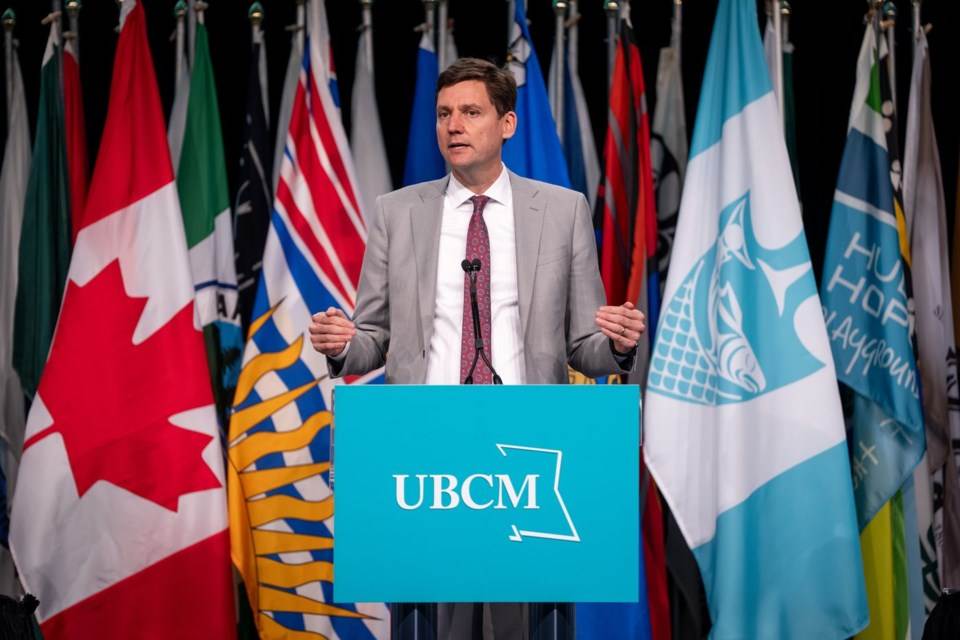
British Columbia's provincial election campaign officially starts this Saturday, with political leaders actively engaging on critical issues facing the province. NDP Leader David Eby is preparing to launch his campaign bus, emphasizing plans to address mental health and addiction crises. Concurrently, other provinces are witnessing notable political and social developments, from Ontario's byelection results to tenant advocacy in Toronto and complex healthcare decisions in Nova Scotia. This article provides a comprehensive overview of these current events, offering insight into the evolving political and social landscape in Canada.
As British Columbia gears up for its provincial election on October 19, NDP Leader David Eby is preparing to take his campaign bus on a test drive, signaling the start of an active election period. The day before the official campaign launch, Eby addressed local politicians at the Union of B.C. Municipalities convention, where municipal leaders voiced concerns about homelessness, the overdose crisis, and the need for increased support funding.
Eby's speech centered on his recent proposal to implement involuntary care for individuals struggling with severe mental health and addiction issues. This approach includes establishing 'secure sites' to house and treat those with critical needs, a plan that has already garnered support from several city governments. The initiative aims to provide a structured environment for treatment, addressing the complex challenges posed by addiction and mental illness.
The decriminalization of possession of small quantities of hard drugs and the issue of open drug use in public spaces are expected to be major topics throughout the campaign. These issues reflect ongoing debates about public health, safety, and the best strategies to support vulnerable populations. Eby's focus on these matters indicates that the upcoming election will likely revolve around how the province manages these pressing social challenges.
In eastern Ontario, the Progressive Conservative party successfully held onto the Bay of Quinte seat in a recent provincial byelection. Tyler Allsopp, a municipal councillor from Belleville, was declared the winner, maintaining the seat previously held by Todd Smith, a well-known cabinet minister who resigned earlier this year.
The byelection was called with little notice—Premier Doug Ford announced Allsopp as the PC candidate just five days after the seat became vacant. Despite the short campaign period, Allsopp secured approximately 39 percent of the vote, a narrower margin than Smith's previous victories, which often approached 50 percent. This closer result suggests shifting political dynamics in the riding, although the PCs remain in control.
The outcome underscores the importance of local representation and the challenges political parties face in maintaining voter support amid changing demographics and political sentiments.
Tenants in two residential buildings in north Toronto have won a significant legal victory after the Landlord and Tenant Board issued an interim order compelling their corporate landlord, Barney River Investments, to undertake immediate repairs. The buildings at 1440 and 1442 Lawrence Ave. West had long-standing maintenance issues that prompted residents to withhold rent for ten months in a rent strike.
This interim order is notable for its rarity and potential precedent-setting nature, as it directly mandates a landlord to address urgent repairs following tenant action. The tenants' lawyer highlighted the order's significance in empowering renters to demand safe and habitable living conditions.
Inspired by this success, other tenant groups across Toronto have initiated similar rent strikes since May 2023. These include residents in Thorncliffe Park and downtown locations such as King Street and John Street, reflecting a growing movement advocating for tenant rights and better housing standards in the city.
Jennifer Brady, a 46-year-old mother from Nova Scotia suffering from lymphedema, has applied for Medical Assistance in Dying (MAID) after enduring years of severe pain and difficulty accessing effective treatment. Lymphedema causes swelling due to fluid accumulation in tissues, leading to intense pain, skin infections resembling severe sunburn, and debilitating blood infections.
Brady's condition improved somewhat after paying for surgery in Japan in 2022, which reduced swelling and alleviated some symptoms. She believes that further surgery could enhance her quality of life and her desire to live. However, her MAID application was denied on the grounds that her condition is not considered 'irremediable,' as noted in a letter from Dr. Gord Gubitz, clinical lead of Nova Scotia's MAID program.
This case underscores the ethical and medical complexities surrounding MAID eligibility, especially for patients with chronic but potentially treatable conditions. It also highlights ongoing challenges in accessing specialized healthcare treatments within Canada.
Calgary recently held a memorial service for Ron 'Buck Shot' Barge, a cherished children's television star who entertained audiences for three decades. Known for his cowboy hat, puppets, and engaging songs, Buck Shot's program was one of Canada's longest-running children's shows, surpassing even iconic series like 'Mr. Dressup' and 'The Friendly Giant.'
Barge passed away just shy of his 88th birthday, leaving behind a legacy of joyful entertainment and positive influence on generations of Calgarians. The memorial at Centre Street Church celebrated his contributions to children's media and the community.
His enduring popularity reflects the importance of locally produced children's programming and the lasting impact such figures have on cultural heritage.
As British Columbia's provincial election campaign commences, the province confronts critical social issues that will shape political discourse and voter priorities. Mental health and addiction policies, particularly around involuntary care and drug decriminalization, stand at the forefront. Meanwhile, developments in other provinces—from Ontario's electoral shifts to tenant advocacy in Toronto and complex healthcare decisions in Nova Scotia—reflect broader themes of governance, social justice, and public welfare across Canada. These stories collectively underscore the dynamic challenges and evolving conversations that define the nation's political and social fabric today.
Originally reported by sootoday.com. Adapted for our readers with AI assistance.
Keep reading
Top Stories
Since the Supreme Court overturned Roe v. Wade in 2022, the landscape of abortion rights in the United S...
Top Stories
Top Stories Tamfitronics One evening in May, nursing assistant Debra Ragoonanan’s vision blurred during her shift at a state-run Massachusetts vet...
TAMFIS NIG LTD
Electrical and instrumentation engineering, bid preparation and consulting, IT and software.

