Top Stories
KFF Health News’ ‘What the Health?’: The Supreme Court and the Abortion Pill
Since the Supreme Court overturned Roe v. Wade in 2022, the landscape of abortion rights in the United S...
TAMFIS NIG LTDRC 8067447CAC ACTIVEFinima, Bonny Island, Rivers State

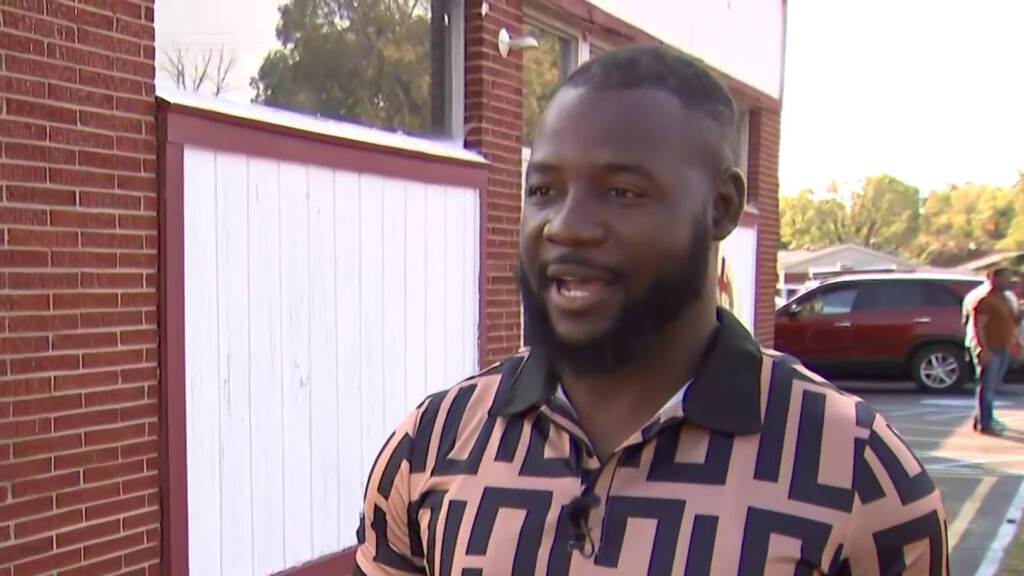
Springfield, a city known for its cultural diversity, is home to a growing Haitian community that contributes significantly to the local economy and social fabric. However, in recent times, this community has been subjected to a wave of false rumors that have stirred fear, mistrust, and misunderstanding among residents. These rumors, often spread through social media and word of mouth, have not only harmed the reputation of Haitian immigrants but have also led to real-world consequences affecting their safety, economic stability, and social integration. Understanding the depth of these impacts is crucial for fostering a more inclusive and supportive environment in Springfield.
The false rumors circulating about Springfield's Haitian community have roots in broader national and international narratives that often portray Haitian migrants negatively. These rumors range from unfounded accusations about criminal activities to misinformation regarding public health and economic impacts. Such narratives are frequently amplified by social media platforms, where unverified information can spread rapidly without fact-checking.
Locally, some of these rumors have manifested in claims that Haitian residents are overwhelming public services or engaging in illicit behavior. Despite lacking credible evidence, these assertions have gained traction among certain groups, fueling stereotypes and xenophobia. The accessibility of digital communication tools has made it easier for these rumors to reach a wide audience, exacerbating divisions within Springfield.
Community leaders and local organizations have noted that these rumors often exploit existing fears related to immigration and economic uncertainty. They tend to emerge during periods of social or political tension, making the Haitian community particularly vulnerable to scapegoating. Understanding the origins and nature of these rumors is essential for developing effective strategies to counteract their spread.
The propagation of false rumors has significantly strained relationships between Springfield’s Haitian community and other residents. Misinformation fosters mistrust and suspicion, which can lead to social isolation and exclusion. Haitian families report feeling unwelcome in neighborhoods where they once felt integrated, and some have experienced overt discrimination in public spaces.
These rumors contribute to stigmatization, painting the Haitian community as problematic or dangerous without basis. This stigmatization affects everyday interactions, from schools and workplaces to local businesses and social services. The resulting social alienation undermines community cohesion and hampers efforts to build inclusive neighborhoods.
Moreover, the emotional toll of persistent negative stereotyping cannot be overstated. Members of the Haitian community have expressed feelings of fear, anxiety, and frustration as they navigate a social environment clouded by suspicion. These psychological impacts highlight the urgent need for public education and dialogue to dispel myths and promote understanding.
False rumors have also created tangible economic challenges for Springfield’s Haitian community. Negative perceptions can influence hiring decisions, leading to discrimination in the job market. Haitian job seekers report facing increased scrutiny and bias, which limits their employment opportunities and economic advancement.
Local Haitian-owned businesses have felt the repercussions as well. Some customers, influenced by rumors, have avoided patronizing these establishments, resulting in decreased revenue. In addition, business owners face difficulties securing loans or partnerships due to the stigmatized image of their community, hindering growth and sustainability.
Economic instability caused by such barriers perpetuates cycles of poverty and marginalization. It also reduces the community’s capacity to contribute fully to Springfield’s economy. Addressing these economic impacts requires coordinated efforts between local authorities, business networks, and advocacy groups to foster equitable opportunities and support entrepreneurship.
The spread of false rumors has heightened safety concerns among Springfield's Haitian residents. Misinformation can incite hostility, leading to verbal abuse, harassment, and even physical confrontations. There have been reported incidents where Haitian individuals were targeted based on unfounded suspicions fueled by rumors.
This environment of fear affects daily life, as community members may avoid certain areas or public events to minimize exposure to potential threats. Parents worry about their children’s safety at school and in public spaces, while elders express concerns about vulnerability to hate crimes.
Local law enforcement agencies have acknowledged these challenges and are working to improve community policing efforts. Building trust between the Haitian community and law enforcement is critical to ensuring that residents feel protected and empowered to report incidents without fear of retaliation or discrimination.
The psychological effects of being subjected to false rumors and social stigma are profound. Members of Springfield's Haitian community have reported increased stress, anxiety, and depression linked to the hostile environment created by misinformation. The constant need to defend oneself against baseless accusations takes a significant emotional toll.
Mental health resources tailored to the cultural and linguistic needs of the Haitian community are limited, which exacerbates these challenges. Stigma around mental health within the community can also discourage individuals from seeking help, leaving many to cope in isolation.
Community organizations are striving to raise awareness about mental health and provide culturally sensitive support services. Initiatives include counseling, support groups, and educational workshops aimed at fostering resilience and promoting holistic well-being among Haitian residents.
Despite the challenges posed by false rumors, Springfield's Haitian community has demonstrated remarkable resilience. Community leaders, faith-based groups, and advocacy organizations have mobilized to counter misinformation through education campaigns and public forums. These efforts aim to correct false narratives and highlight the positive contributions of Haitian residents.
Cultural events and community gatherings serve as platforms to strengthen solidarity and promote intercultural understanding. By showcasing Haitian heritage, art, and traditions, these events foster pride within the community and invite broader Springfield residents to engage positively.
Partnerships with local government and media outlets have also been instrumental in amplifying accurate information and combating stereotypes. Collaborative approaches that involve multiple stakeholders are proving effective in building bridges and restoring trust across Springfield.
Media and social platforms have played a dual role in Springfield's situation. On one hand, they have facilitated the rapid spread of false rumors about the Haitian community, often without adequate fact-checking or editorial oversight. Sensationalist headlines and viral posts can reinforce prejudices and distort public perception.
On the other hand, these platforms also offer tools for community members and allies to share truthful stories, debunk myths, and organize collective responses. Social media campaigns focused on Haitian culture and success stories help to humanize the community and challenge negative stereotypes.
Local journalists and media organizations bear responsibility for balanced reporting that avoids perpetuating harmful narratives. Media literacy programs aimed at Springfield residents can empower users to critically evaluate information sources, reducing the impact of misinformation on community relations.
Looking ahead, addressing the effects of false rumors on Springfield’s Haitian community requires sustained commitment from all sectors of society. Educational initiatives that promote cultural competence and diversity awareness are essential in schools, workplaces, and public institutions.
Policy measures that protect immigrant rights and combat discrimination can provide a framework for equitable treatment and social integration. Community engagement efforts must continue to foster dialogue and collaboration between Haitian residents and other Springfield populations.
Ultimately, building a more inclusive Springfield involves recognizing the value of every community member and dismantling the barriers created by misinformation. Strengthening social cohesion not only benefits the Haitian community but enriches the entire city’s social and economic fabric.
The false rumors affecting Springfield's Haitian community have had far-reaching consequences, touching every aspect of life from social interactions to economic stability and personal safety. While these challenges are significant, the community's resilience and proactive efforts to combat misinformation offer hope for a more inclusive future. Addressing the root causes of these rumors and fostering mutual understanding across Springfield is essential to ensuring that all residents can thrive without fear or prejudice. Through collaborative action and sustained commitment, Springfield can transform this moment of division into an opportunity for unity and growth.
Originally reported by msnbc.com. Adapted for our readers.
Keep reading
Top Stories
Since the Supreme Court overturned Roe v. Wade in 2022, the landscape of abortion rights in the United S...
Top Stories
Top Stories Tamfitronics One evening in May, nursing assistant Debra Ragoonanan’s vision blurred during her shift at a state-run Massachusetts vet...
Top Stories
2:54 PM Saudi Arabia shouldn’t be part of Iran-U.S. war, Turkish foreign minister says Turkish Foreign Minister Hakan Fidan spoke out Saturday about…
TAMFIS NIG LTD
Electrical and instrumentation engineering, bid preparation and consulting, IT and software.