
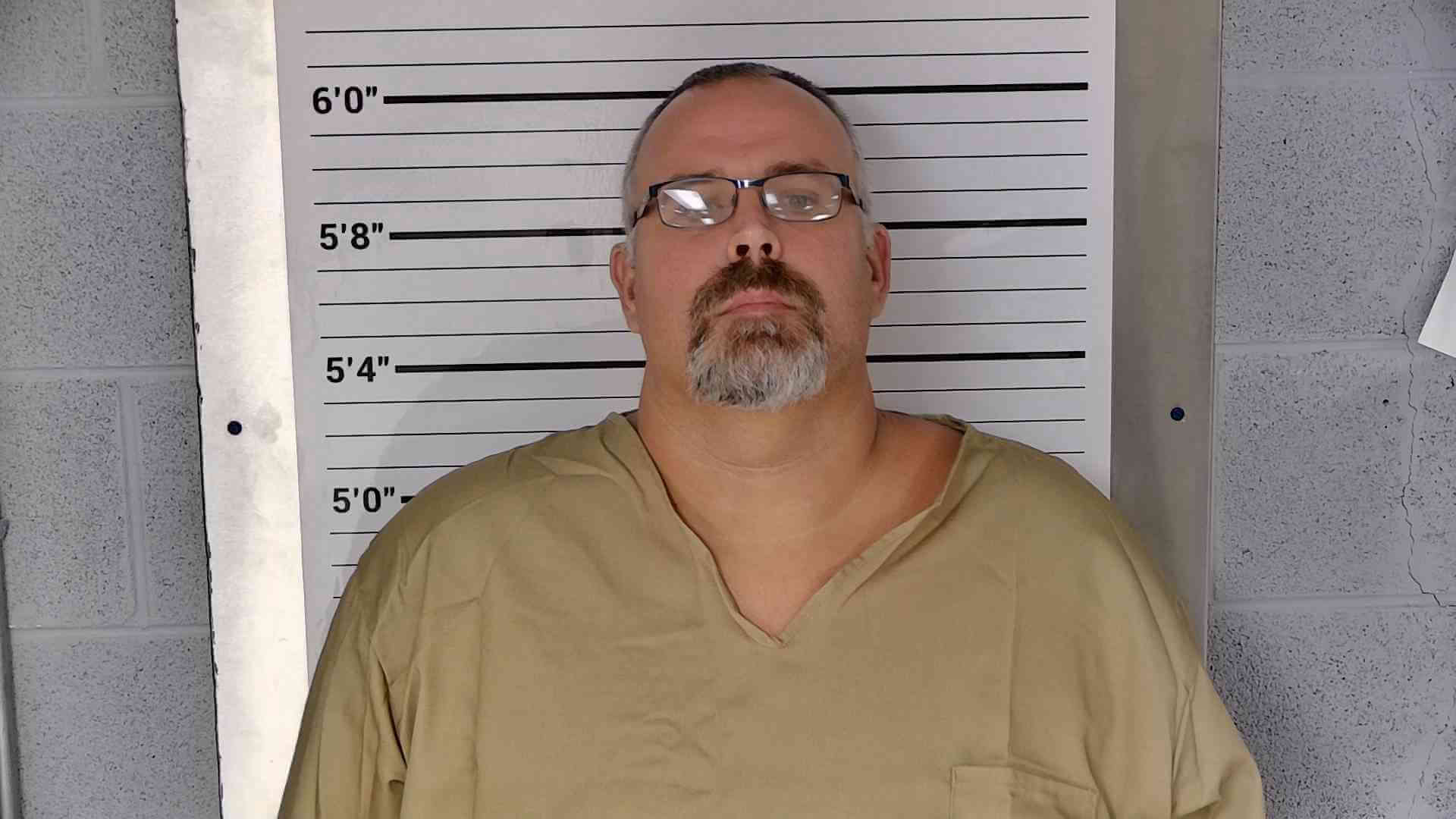
In a shocking development that has rattled Letcher County and the wider Kentucky legal community, Sheriff Shawn “Mickey” Stines stands accused of fatally shooting District Judge Kevin Mullins inside the courthouse chambers. The incident, which occurred on September 19, 2024, has led Governor Andy Beshear to publicly demand the sheriff's resignation. This article explores the background of the case, the governor’s response, legal proceedings underway, and the broader implications for public trust in law enforcement and the judicial system.
Background of the Incident
On September 19, 2024, District Judge Kevin Mullins was reportedly shot inside the courthouse chambers in Letcher County, Kentucky. The suspect, Sheriff Shawn “Mickey” Stines, was present at the scene and was promptly taken into custody. The incident sent shockwaves through the local community, raising urgent questions about the circumstances that led to such a tragic confrontation within a government facility.
Judge Mullins was a well-respected figure within the Kentucky Court of Justice, known for his dedication to fair legal proceedings. His untimely death has not only left a void in the judicial system but also sparked intense scrutiny over courthouse security and law enforcement conduct.
Sheriff Stines, who has served as the Letcher County sheriff for several years, was charged with murder shortly after the incident. He pleaded not guilty during his arraignment, setting the stage for a complex legal battle that has captured statewide attention.
Governor Beshear’s Call for Resignation
Following the shooting, Governor Andy Beshear issued a formal letter demanding Sheriff Stines submit his resignation by September 27, 2024. The letter, sent from the governor’s office to Stines, emphasized the gravity of the allegations and the need to uphold public trust in law enforcement institutions.
In the letter, Governor Beshear cited Kentucky state law, which mandates the removal of a public official from office if they do not resign voluntarily after being charged with a serious crime. This legal framework underscores the governor’s authority and the urgency behind his demand.
The governor’s call for resignation also reflects a broader commitment to accountability and justice. By urging Stines to step down, Beshear aims to preserve the integrity of the sheriff’s office and ensure that the community’s faith in law enforcement is not further eroded.
Legal Proceedings and Court Dates
Sheriff Stines appeared in court for his arraignment on September 24, 2024, where he formally pleaded not guilty to the murder charge. The arraignment marked the beginning of a legal process that will determine his guilt or innocence based on evidence and testimony presented in court.
A preliminary hearing has been scheduled for October 1, 2024. During this hearing, prosecutors are expected to present evidence to establish probable cause for the charges against Stines. The defense will also have the opportunity to contest the evidence and argue for dismissal or reduced charges.
This case is anticipated to be closely watched by the public and legal experts alike due to its unusual nature — a law enforcement officer accused of killing a sitting judge. The outcome could have significant repercussions for both the local justice system and the broader discourse on police accountability.
Community Reaction and Impact
The shooting has deeply impacted the residents of Letcher County, many of whom express shock and grief over the loss of Judge Mullins. Community leaders have called for calm and respect for the judicial process as the case unfolds.
Local advocacy groups have also seized the moment to highlight the importance of transparency and reform in law enforcement practices. They emphasize the need for thorough investigations and fair trials to rebuild trust between citizens and public officials.
In addition to emotional responses, there have been calls for enhanced security measures within courthouse facilities across Kentucky to prevent future incidents. The tragedy has ignited conversations about safeguarding judicial personnel and ensuring safe environments for legal proceedings.
Historical Context and Precedents
Incidents involving law enforcement officers accused of violent crimes against judicial officials are rare but have profound implications. Historically, such cases often prompt legislative reviews and policy changes aimed at preventing recurrence.
Kentucky has previously faced challenges related to police accountability, making this case a pivotal moment in the state’s ongoing efforts to balance law enforcement authority with civil rights protections.
The precedent set by Governor Beshear’s swift demand for resignation reflects a growing trend among public officials to take decisive action when public trust is compromised, signaling a shift toward greater transparency and responsibility.
Legal Framework Governing Resignation and Removal
Kentucky state law provides clear mechanisms for the removal of public officials who face serious criminal charges. If a sheriff refuses to resign voluntarily after being charged with a felony such as murder, the law empowers authorities to initiate removal proceedings.
The governor’s letter to Sheriff Stines explicitly references these legal provisions, underscoring the state’s commitment to maintaining ethical governance and protecting the public interest.
This legal framework is designed to ensure that officials accused of grave misconduct cannot continue to hold positions of power while under investigation, thereby preserving the integrity of public institutions.
Media Coverage and Public Discourse
The case has garnered extensive media attention, from local outlets like Scripps News Lexington to national news organizations. Coverage has focused on the details of the shooting, the legal proceedings, and the governor’s response.
Public discourse surrounding the incident has been intense, with social media platforms serving as forums for debate on topics including police violence, judicial safety, and accountability in public office.
Journalists and commentators emphasize the importance of balanced reporting to avoid prejudicing the legal process while keeping the public informed about developments in this high-profile case.
Looking Ahead: Implications for Kentucky’s Justice System
As the legal process continues, the case against Sheriff Stines will likely influence future policies related to law enforcement oversight in Kentucky. Stakeholders anticipate possible reforms aimed at preventing conflicts of interest and enhancing transparency within sheriff’s departments.
The tragedy also serves as a somber reminder of the risks faced by judicial officials and the critical need for robust protections to ensure their safety during court proceedings.
Ultimately, the resolution of this case will be a defining moment for Letcher County and Kentucky’s justice system, shaping public perceptions of fairness, accountability, and the rule of law for years to come.
Conclusion
The tragic shooting of District Judge Kevin Mullins by Sheriff Shawn “Mickey” Stines has sent shockwaves through Letcher County and the entire state of Kentucky. Governor Andy Beshear’s call for the sheriff’s resignation underscores the severity of the allegations and the necessity of preserving public trust in law enforcement and the judiciary. As the legal proceedings advance, the case serves as a critical juncture for discussions on accountability, safety, and reform within Kentucky’s justice system. The community, legal experts, and policymakers alike will be watching closely, hopeful that justice will be served and meaningful changes will emerge from this deeply unsettling event.