
Top Stories
KFF Health News’ ‘What the Health?’: The Supreme Court and the Abortion Pill
Since the Supreme Court overturned Roe v. Wade in 2022, the landscape of abortion rights in the United S...
TAMFIS NIG LTDRC 8067447CAC ACTIVEFinima, Bonny Island, Rivers State

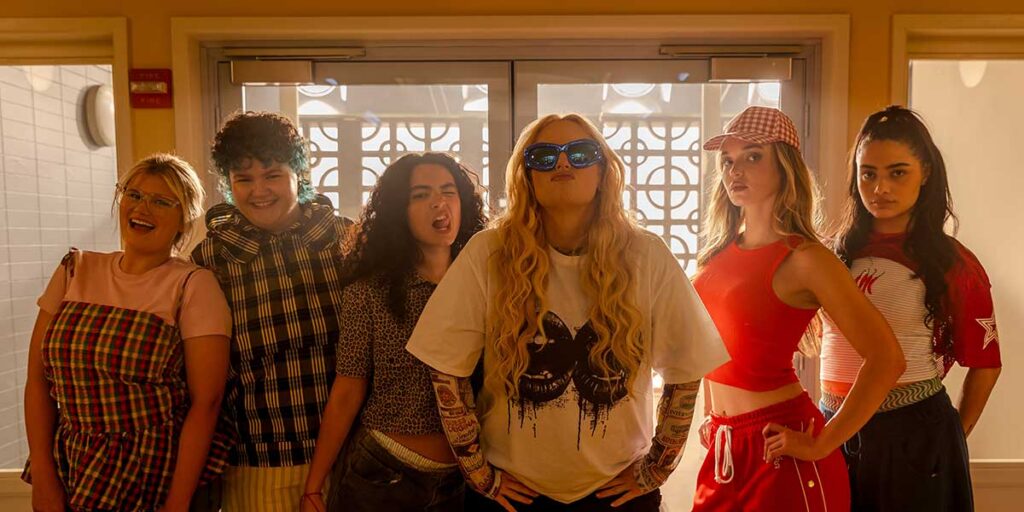
Rebel Wilson’s ‘Girl Group’ arrives as a brightly packaged, music-filled comedy that aims to deliver feel-good escapism. Drawing inspiration from ‘Pitch Perfect’ and ‘Bad News Bears’, the film follows a disgraced pop star mentoring a teenage girl band. While bursting with energy, costume sparkle, and enthusiastic young cast performances, it prioritises humour and spectacle over substance. Set against a nostalgic 1990s UK backdrop before jumping to the present, it touches on fame, redemption, and intergenerational tension but rarely explores them meaningfully. For lighthearted diversion, it may succeed; for insight into the music business, youth mentorship, or pop stardom pressures, it offers little beyond surface charm.
‘Girl Group’ follows the mentor-mentee comedy template where a flawed adult finds purpose guiding talented youth. Rebel Wilson portrays Tassie, a one-time pop star whose solo career failed, leading to obscurity and self-doubt. Her return comes via community service at a youth centre, mentoring Gen Z singers for a national competition. The setup echoes sports and arts underdog stories but swaps the pitch or debate stage for a glitter-filled rehearsal studio with syncopated routines and pop anthems. While recognisable, the film leans into pastel aesthetics and exaggerated performances, choosing broad comedy over nuanced development. The result feels more like an extended music video with dialogue interludes than a substantive exploration of mentorship or second chances.
This formulaic approach lacks the self-awareness or emotional honesty that elevates similar stories. Unlike ‘Pitch Perfect’, balancing humour with genuine camaraderie and vocal prowess, or ‘Bad News Bears’, using sports to explore flawed coaching and growth, ‘Girl Group’ treats mentorship as a backdrop for Wilson’s comedic persona. The youth centre setting, ripe for intergenerational exchange, becomes a stage for slapstick and improvised asides. The film misses showing how Tassie’s outdated pop-star mentality genuinely clashes with—or could learn from—the Gen Zers’ authentic approach to music and identity.
The film’s strongest asset is its frequent, vibrant, well-choreographed musical sequences. Featuring cameos from pop veterans like Nicole Scherzinger, Mel C of the Spice Girls, and Shaznay Lewis of All Saints, the soundtrack aims cross-generational appeal. However, performances often extend beyond narrative necessity, becoming prolonged showcases halting plot progression. Rather than using music to reveal character or advance themes, the film treats song and dance as ends in themselves—contributing to its fizzy, ephemeral quality. Although younger cast members demonstrate genuine chemistry and vocal ability, their talents are frequently overshadowed by Wilson’s focus on physical comedy and improvised asides.
This spectacle-over-storytelling means emotional beats—such as Tassie confronting her past or the girls’ growing confidence—receive minimal development before the next musical number. The structure resembles a variety show more than a narrative, with each song as a self-contained interlude rather than a step in characters’ journeys. The audience gets enjoyable but disconnected moments, lacking cumulative emotional weight to make the mentorship arc feel earned or transformative. The music, while lively, serves as decoration rather than narrative propulsion.
Early hints suggest a deeper conversation about evolving attitudes toward female sexuality, agency, and the male gaze in pop music. One Gen Z member critiques the original Gurlfriends’ image as ‘totally playing into the male gaze,’ indicating era tension in pop feminism. Yet this thread is barely revisited, leaving the idea underdeveloped and feeling like a passing remark than a thematic anchor. Similarly, the film touches on fame and body image pressures—topics Wilson discussed candidly in her memoir—but responds with size-related gags rather than reflective commentary. A scene where a child accuses Tassie of looking like she ‘ate’ Sabrina Carpenter exemplifies reducing complex issues to punchlines.
By avoiding sustained engagement, the movie misses offering meaningful insight into challenges young women face in entertainment today. It could have used Tassie’s journey to examine how pop stardom’s demands shifted—from late-90s girl groups’ overt sexuality to today’s nuanced teen self-expression. Instead, it treats generational difference as a source of one-liners, sacrificing depth for quick laughs. This superficial approach undermines what could have been timely commentary on empowerment, authenticity, and evolving expectations on female performers.
Amid shortcomings, the teenage ensemble’s performances stand out as authentic and engaging. Chabely Ponce, as acoustic guitarist and songwriter, brings quiet intensity to her role, while Lilah Pate, as the group’s de facto leader, shows natural charisma and vocal strength. Their camaraderie feels unforced, and their scenes together suggest a story centring youthful ambition and artistic growth. Unfortunately, these moments are often disrupted by broad comedic interludes or Wilson’s dominant screen presence. One troubling scene—involving an aggressive, nonconsensual kiss played for laughs—undermines the positive dynamic and raises tonal judgment concerns.
Despite this, the young cast’s energy and musical ability hint at what the film could have been: a sincere portrayal of adolescent creativity and resilience, rather than a vehicle for nostalgic pastiche. Their authenticity provides grounding contrast to the film’s exaggerated tone, suggesting a quieter, more character-driven ‘Girl Group’ might have resonated more deeply. Their chemistry persisting despite script distractions speaks to their talent and hints at a missed opportunity to build the narrative around their perspectives. Had the film trusted their voices as much as their vocals, it might have achieved the sincerity it only gestures toward.
Rebel Wilson’s ‘Girl Group’ is best understood as disposable, feel-good cinema—designed for a long flight or relaxed evening with minimal viewer demands. Its glitter-soaked aesthetic, enthusiastic performances, and relentless pace create undeniable fun, especially in musical interludes. Yet beneath the surface, the film lacks courage to engage meaningfully with introduced themes—whether redemption, mentorship, or evolving female pop stardom. While it may elicit hums and toe-taps, it fails to leave a lasting impression or offer valuable insight for those interested in music business realities, youth development, or contemporary gender dynamics. For leisure time investment, it represents a tempting but shallow option—enjoyable in the moment, unlikely to endure in memory or spark deeper reflection.
Originally reported by variety.com. Adapted for our readers with AI assistance.
Keep reading
Top Stories
Since the Supreme Court overturned Roe v. Wade in 2022, the landscape of abortion rights in the United S...
Top Stories
Top Stories Tamfitronics One evening in May, nursing assistant Debra Ragoonanan’s vision blurred during her shift at a state-run Massachusetts vet...
TAMFIS NIG LTD
Electrical and instrumentation engineering, bid preparation and consulting, IT and software.

