Top Stories
Discovery beneath soccer field reveals massive medieval convent lost for centuries
NEWYou can now listen to Fox News articles! Researchers recently uncovered a long-lost medieval convent in an unusual location in Denmark: a soccer field…
TAMFIS NIG LTDRC 8067447CAC ACTIVEFinima, Bonny Island, Rivers State

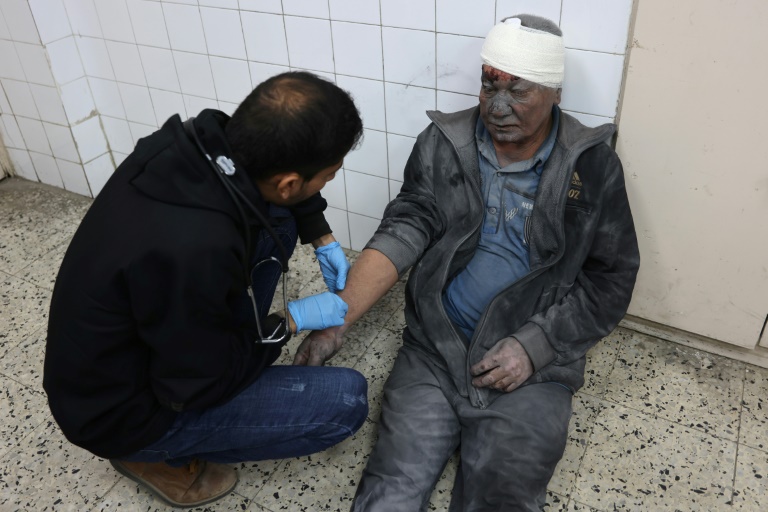
The Gaza Strip continues to endure significant devastation as Israeli airstrikes have reportedly killed at least 22 Palestinians, according to Gaza’s civil defence agency. Among the casualties are an Al Jazeera cameraman and several rescue personnel, highlighting the increasing dangers faced by those on the frontline of humanitarian efforts. This surge in violence exacerbates an already dire humanitarian crisis, with widespread displacement, collapsing health services, and mounting civilian casualties. This article delves into the details of the recent strikes, their impact on Gaza’s population, and the broader implications for the region.
On a recent Sunday, Gaza’s civil defence agency reported that Israeli airstrikes killed at least 22 Palestinians across the territory. Among the victims was Ahmed al-Louh, a cameraman for Qatar-based Al Jazeera, who was killed during an Israeli bombardment targeting the Nuseirat refugee camp in central Gaza. The strike also claimed the lives of three members of the Civil Defence rescue agency, emphasizing the risks faced by emergency responders in conflict zones.
Civil defence spokesman Mahmud Bassal confirmed that the strike hit a Civil Defence site in Nuseirat camp, where rescuers were operating. The agency reported that rescuers working overnight recovered 18 bodies, with dozens more injured in ongoing Israeli aerial and artillery bombardments. The death toll included at least three children, underscoring the tragic impact on Gaza’s civilian population.
Additional strikes targeted residential areas, including a house in central Gaza City where four people were killed. Another missile hit a tent sheltering displaced persons in Deir el-Balah, killing four and injuring eight. These attacks reveal the widespread nature of the bombardments and the vulnerability of both permanent residents and displaced individuals amid the conflict.
Ahmed al-Louh’s death marks the fifth Al Jazeera journalist killed since the start of the current Gaza conflict. His death occurred during an Israeli strike on the Civil Defence site in Nuseirat camp, which also killed three rescuers. Al Jazeera confirmed the cameraman was killed in an Israeli bombardment, adding to concerns over the safety of journalists covering the conflict.
The targeting of media personnel has sparked international condemnation and raised questions about the protection of journalists in war zones. Al Jazeera’s office in Gaza has also been bombed during the conflict, further complicating news coverage and information dissemination from the region.
The loss of al-Louh and other journalists highlights the perilous conditions under which media workers operate in Gaza. Their role in documenting the conflict is crucial, yet they face significant risks from ongoing military operations and airstrikes.
The Israeli military has confirmed carrying out strikes in various parts of Gaza, including Beit Hanoun and Beit Lahia. According to military statements, these operations targeted Hamas militants and involved both air and ground forces. The military claims to have apprehended terrorists and dismantled large quantities of weapons, including explosives and grenades, during these operations.
The military also asserted that a clinic in northern Gaza was targeted because it was allegedly being used by Hamas as a command and control center and a weapons storage site. These claims remain contested and highlight the complexities of urban warfare where civilian infrastructure is often impacted.
Israel’s operations intensified following Hamas’s October 7, 2023 attack on Israel, which resulted in over 1,200 Israeli deaths, mostly civilians. Israel’s stated goal is to prevent Hamas militants from regrouping and to degrade their military capabilities, leading to ongoing large-scale military campaigns in northern Gaza.
The continuous Israeli bombardment has severely strained Gaza’s already fragile health system. Hospitals face critical shortages of medicines and medical supplies, compounded by the loss of medical staff due to casualties and displacement. The director of Kamal Adwan hospital reported a shortage of doctors and nurses after many were killed or injured in the conflict.
Medical facilities themselves have been targeted or affected by strikes, further endangering patients and healthcare workers. Despite Israeli military denials of direct targeting, reports indicate ongoing attacks near hospitals, exacerbating the humanitarian crisis and limiting access to urgent care.
United Nations Secretary-General Antonio Guterres has warned of rampant malnutrition and the imminence of famine in Gaza, emphasizing the urgent need for international intervention. The displacement of most of Gaza’s 2.4 million residents has led to overcrowded shelters with limited resources, worsening the public health situation.
The conflict has displaced the vast majority of Gaza’s population, forcing many to flee multiple times in search of safety. Displaced persons often find shelter in overcrowded camps or tents, which remain vulnerable to attacks, as evidenced by the deadly strike on a tent shelter in Deir el-Balah.
Civilian casualties continue to rise, with children among the victims. The destruction of homes and infrastructure has created an urgent need for humanitarian assistance, including food, water, shelter, and medical care. The psychological trauma experienced by survivors adds to the long-term consequences of the conflict.
Relatives mourning their loved ones at hospitals and morgues paint a grim picture of the human cost. Photographs from Gaza show bodies covered in blankets in overcrowded facilities, symbolizing the overwhelming scale of death and injury amid the ongoing violence.
The international community has expressed deep concern over the escalating violence in Gaza. Various governments and humanitarian organizations have called for an immediate ceasefire to allow for the delivery of aid and protection of civilians. However, achieving a ceasefire remains challenging amid ongoing hostilities and political complexities.
United Nations agencies and aid groups emphasize the urgent need to address the humanitarian crisis, particularly the shortages of food, medicine, and shelter. Diplomatic efforts continue to seek a resolution that balances security concerns with humanitarian imperatives.
The killing of journalists and rescue workers has drawn condemnation and calls for accountability. Protecting civilians and humanitarian personnel remains a key demand from international observers aiming to reduce suffering in Gaza.
The deaths of three rescuers in the Nuseirat camp strike underscore the dangers faced by emergency responders in Gaza. Rescue workers operate under constant threat from airstrikes and artillery shelling, often risking their lives to save civilians trapped in rubble or injured during attacks.
Their work is critical amid the destruction of infrastructure and the high number of casualties, yet limited resources and ongoing hostilities hinder rescue and medical efforts. The targeting or collateral damage of rescue teams raises serious concerns about the protection of humanitarian workers under international law.
Despite these challenges, Gaza’s civil defence agency and other groups continue their efforts to recover bodies and provide emergency care. Their resilience and dedication are vital to mitigating the human cost of the conflict, even as they themselves become victims.
The ongoing violence in Gaza presents a complex challenge for peace and recovery. With mounting casualties, displacement, and infrastructure damage, the immediate focus remains on halting hostilities and addressing urgent humanitarian needs.
Long-term recovery will require substantial international support, reconstruction efforts, and political dialogue aiming to resolve the underlying conflict. Without progress toward peace, Gaza’s population faces continued hardship and instability.
Efforts to protect civilians, journalists, and humanitarian workers must be prioritized to prevent further loss of life. The global community’s role in facilitating ceasefire agreements and providing aid is crucial in shaping the future of Gaza and the broader region.
The recent Israeli strikes in Gaza, resulting in the deaths of at least 22 Palestinians including journalists and rescue workers, underscore the escalating toll of the conflict on civilians and humanitarian responders. The widespread destruction, displacement, and collapse of essential services have created a profound humanitarian crisis. While military operations continue with the stated aim of targeting militants, the impact on Gaza’s population is devastating. Addressing this crisis requires urgent international attention to protect civilians, ensure humanitarian access, and promote diplomatic efforts toward a sustainable resolution. The resilience of Gaza’s people and rescue workers amidst such adversity remains a powerful testament to the human spirit, even as the region faces an uncertain future.
Originally reported by digitaljournal.com. Adapted for our readers.
Keep reading
Top Stories
NEWYou can now listen to Fox News articles! Researchers recently uncovered a long-lost medieval convent in an unusual location in Denmark: a soccer field…
News
By Engr. Tamunofiniarisa BrownReading Time: 6 Minutes The conflict between Russia and Ukraine is often framed in the media as a simple battle between…
TAMFIS NIG LTD
Electrical and instrumentation engineering, bid preparation and consulting, IT and software.