
Top Stories
Discovery beneath soccer field reveals massive medieval convent lost for centuries
NEWYou can now listen to Fox News articles! Researchers recently uncovered a long-lost medieval convent in an unusual location in Denmark: a soccer field…
TAMFIS NIG LTDRC 8067447CAC ACTIVEFinima, Bonny Island, Rivers State

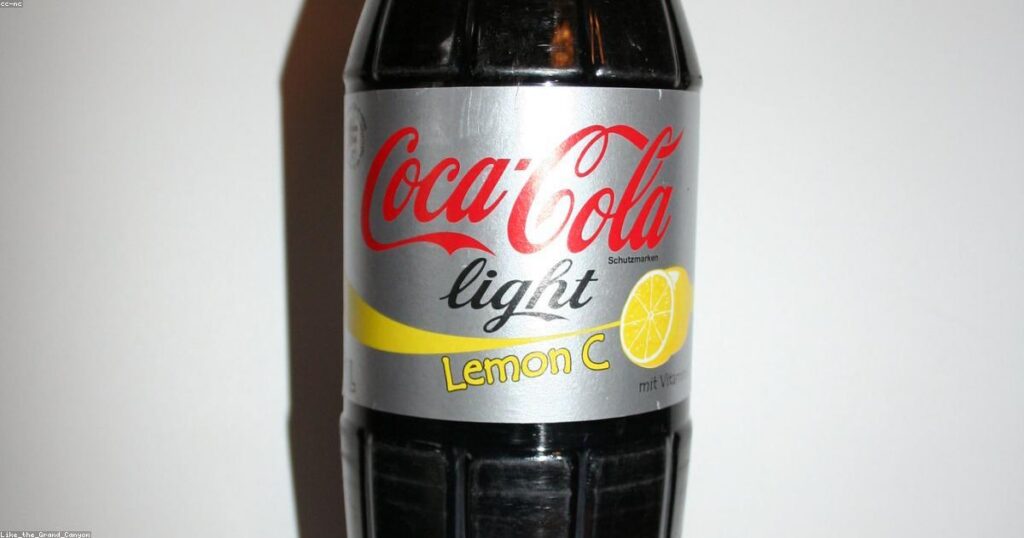
Diet Coke, a staple in the world of diet sodas, has sparked ongoing debates about its safety and potential health risks. Among the most prevalent concerns is whether consuming Diet Coke can increase the risk of developing cancer. This question arises primarily due to two key ingredients: the artificial sweetener aspartame and the caramel coloring used to give the beverage its characteristic brown hue. While some studies have suggested possible carcinogenic properties linked to these components, the evidence remains inconclusive and often misunderstood. This article aims to provide a detailed, balanced examination of the science behind Diet Coke and cancer risk, helping readers make informed decisions about their beverage choices.
Diet Coke’s formulation includes two ingredients that have drawn scrutiny in discussions about cancer risk: aspartame and caramel coloring. Aspartame is an artificial sweetener used to provide sweetness without the calories present in sugar. It has been approved by regulatory bodies worldwide, including the FDA and EFSA, but remains controversial due to early studies suggesting potential health concerns.
Caramel coloring, which gives Diet Coke its distinctive brown color, is produced through the controlled heating of carbohydrates and sometimes involves chemical agents. A specific compound found in some types of caramel coloring, 4-methylimidazole (4-MEI), has been identified as a possible carcinogen in animal studies, raising concerns about its presence in soft drinks.
The classification of both aspartame and 4-MEI as “possibly carcinogenic” by organizations like the International Agency for Research on Cancer (IARC) means there is some evidence suggesting a potential risk, but it is not definitive. Understanding these ingredients and their regulatory status is crucial to unpacking the broader question of Diet Coke’s safety.
Aspartame has been extensively studied since its introduction in the 1980s. Early animal studies suggested a potential link between aspartame consumption and certain cancers, such as lymphoma and leukemia, but these findings were not consistently replicated in human studies. Large-scale epidemiological research has generally found no clear association between aspartame intake and cancer incidence in humans.
For example, a comprehensive review by the European Food Safety Authority (EFSA) in 2013 concluded that aspartame is safe at current levels of consumption and does not pose a carcinogenic risk. Similarly, the U.S. Food and Drug Administration (FDA) maintains that aspartame is safe for the general population when consumed within acceptable daily intake limits.
However, some experts argue that existing studies have limitations, such as short follow-up periods or reliance on self-reported dietary data, which can introduce bias. Thus, while current evidence does not support a causal link between aspartame and cancer, ongoing research and improved study designs are needed for definitive conclusions.
Caramel coloring used in colas like Diet Coke can contain varying levels of 4-methylimidazole (4-MEI), a compound formed during the manufacturing process. In animal studies, high doses of 4-MEI have been linked to an increased risk of cancer, leading to regulatory attention and consumer concern.
California’s Proposition 65, for instance, requires warning labels on products containing 4-MEI above a certain threshold due to its potential carcinogenicity. However, the levels found in Diet Coke and similar soft drinks are generally much lower than those used in animal testing, and typical consumption patterns are unlikely to reach harmful doses.
Despite this, toxicologists like Dr. Urvashi Rangan have advocated for reducing or eliminating 4-MEI in food products, emphasizing that safer alternatives exist. The debate highlights the complexity of translating animal study results to human health risk and the importance of regulatory oversight in ensuring consumer safety.
While Diet Coke itself may not directly cause cancer, its role in overall dietary habits and weight management can influence cancer risk indirectly. Obesity is a well-established risk factor for many types of cancer, including breast, pancreatic, and kidney cancers, due to mechanisms involving inflammation and hormone regulation.
Some studies suggest that consumption of artificial sweeteners like aspartame might paradoxically contribute to weight gain or metabolic changes by altering appetite or gut microbiota, although results are mixed and often controversial. This potential link means that diet sodas could indirectly affect cancer risk by influencing body weight and metabolic health.
Therefore, when evaluating the health implications of Diet Coke, it is important to consider not only its ingredient safety but also how it fits into broader lifestyle and dietary patterns that impact cancer risk.
Regulatory agencies such as the FDA, EFSA, and the World Health Organization (WHO) have reviewed the safety of aspartame and caramel coloring extensively. These bodies have set acceptable daily intake levels based on rigorous scientific evaluations, concluding that consumption within these limits is safe for the general population.
The WHO’s International Agency for Research on Cancer (IARC) classifies substances based on evidence strength, and both aspartame and 4-MEI fall into the category of “possibly carcinogenic to humans,” reflecting limited evidence. This classification signals the need for further research rather than definitive risk.
Authorities also emphasize the importance of balanced diets and moderation. While occasional consumption of Diet Coke is considered safe, excessive intake of any processed food or beverage may pose health risks, underscoring the need for consumers to be informed and cautious.
Recent meta-analyses and cohort studies have not found strong evidence linking Diet Coke consumption with an increased risk of cancer. Most research indicates that when consumed in moderation, Diet Coke does not significantly elevate cancer risk compared to other beverages.
However, limitations in existing studies, such as reliance on observational data and short duration, mean that some uncertainty remains. Experts like Dr. Moez Sanaa from WHO highlight the need for longer-term, randomized controlled trials to better understand potential mechanistic pathways linking diet soda consumption to cancer.
In the meantime, scientific consensus supports the notion that moderate Diet Coke consumption is unlikely to pose a meaningful cancer risk, especially when balanced within a healthy diet and lifestyle.
Consumers often face conflicting information regarding Diet Coke and cancer risk, making it challenging to make informed decisions. Understanding that “possible carcinogen” classifications do not equate to proven danger helps contextualize the risks associated with Diet Coke ingredients.
For individuals seeking to reduce sugar intake or manage calorie consumption, Diet Coke can be a useful alternative to sugary sodas. However, it is essential to consume it in moderation and not rely solely on diet sodas to maintain overall health.
Ultimately, prioritizing a diet rich in whole foods, fruits, vegetables, and water, along with regular physical activity, remains the most effective approach to minimizing cancer risk and promoting long-term wellness.
The question of whether drinking Diet Coke increases cancer risk is complex and nuanced. While certain ingredients like aspartame and caramel coloring contain compounds classified as possibly carcinogenic, current scientific evidence does not conclusively demonstrate that Diet Coke causes cancer in humans. Regulatory agencies worldwide have deemed these ingredients safe when consumed within established limits. Nonetheless, maintaining a healthy lifestyle, including a balanced diet and regular exercise, remains essential in reducing cancer risk. For those who enjoy Diet Coke, moderate consumption alongside mindful dietary habits is a reasonable approach. Continued research will help clarify any remaining uncertainties, but for now, Diet Coke does not appear to pose a significant cancer threat.
Originally reported by bgr.com. Adapted for our readers.
Keep reading
Top Stories
NEWYou can now listen to Fox News articles! Researchers recently uncovered a long-lost medieval convent in an unusual location in Denmark: a soccer field…
News
By Engr. Tamunofiniarisa BrownReading Time: 6 Minutes The conflict between Russia and Ukraine is often framed in the media as a simple battle between…
TAMFIS NIG LTD
Electrical and instrumentation engineering, bid preparation and consulting, IT and software.