
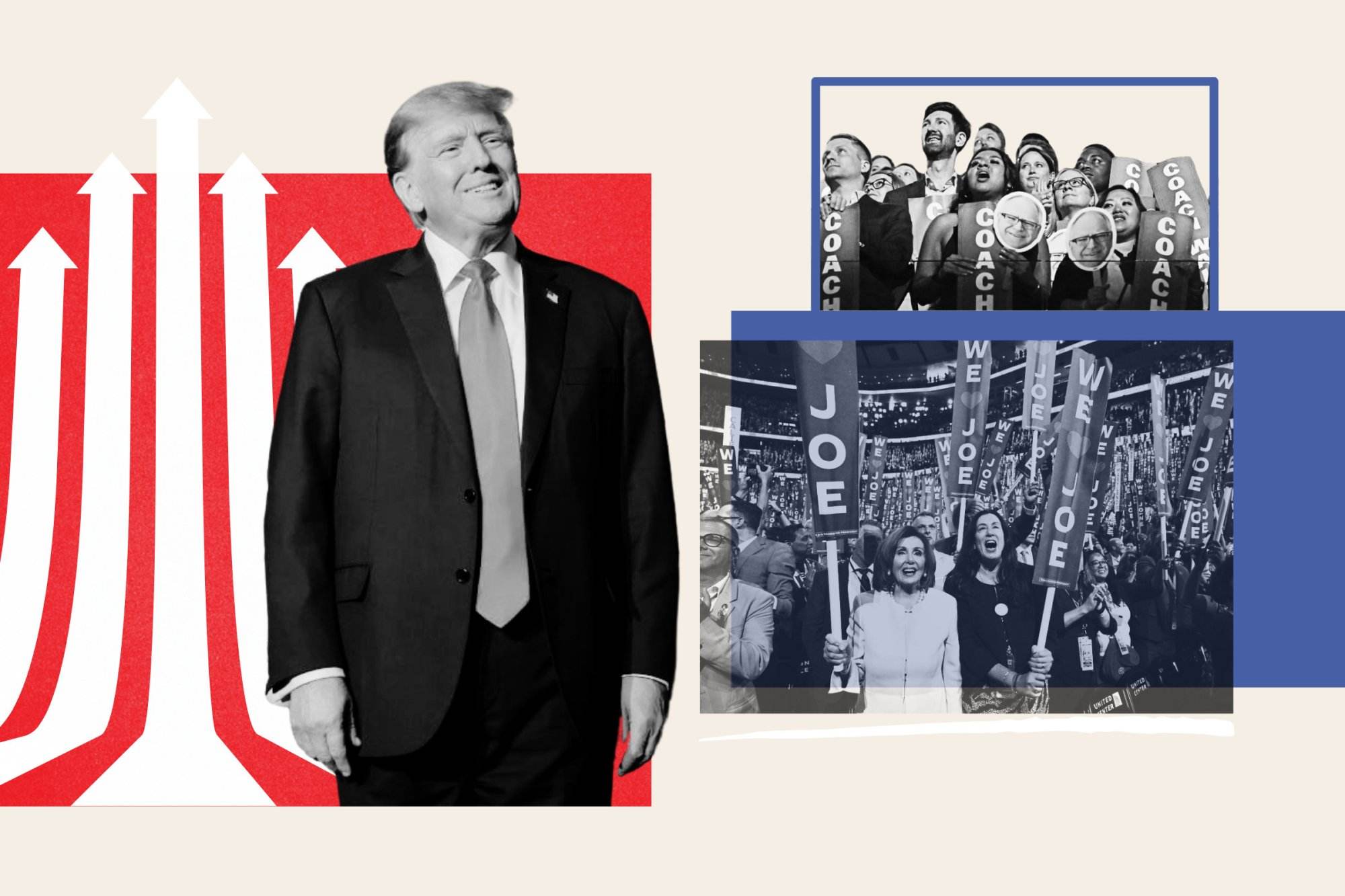
The 2024 presidential race has reached a pivotal moment with Vice President Kamala Harris stepping in as the Democratic nominee after President Joe Biden's withdrawal. The Democratic National Convention (DNC) showcased a wave of optimism and energized support for Harris, highlighted by impressive fundraising and rising poll numbers. Yet, beneath this enthusiasm, Donald Trump, the Republican nominee, has experienced a surprisingly strong week. From surging betting odds to favorable battleground state polls and potential endorsements, Trump’s campaign has gained momentum quietly but significantly. This article explores the unfolding dynamics of the race, examining Trump’s recent gains despite the DNC’s confident atmosphere.
The Democratic National Convention: A Surge of Optimism for Kamala Harris
The DNC served as a platform to rally Democratic supporters around Kamala Harris, who formally accepted her party's nomination on the convention's final day. Harris’ entry into the race after Biden’s exit injected fresh energy into the Democratic campaign, reflected in a substantial polling boost and a remarkable fundraising haul of approximately $500 million within a month.
This influx of resources and enthusiasm positioned Harris as a formidable challenger, signaling a reinvigorated campaign with expanded outreach capabilities. The convention emphasized unity and progressive policy goals, aiming to solidify Democratic voter confidence and expand the coalition ahead of November’s election.
Despite this momentum, some political analysts caution that the honeymoon phase of Harris’ candidacy may be temporary. As media scrutiny intensifies and voters demand detailed policy commitments, sustaining this initial surge will require strategic communication and effective campaigning.
Trump’s Quiet Week: Shifting Polls and Bookmaker Odds
Contrary to the DNC’s optimistic narrative, Donald Trump has experienced a notable upswing in his campaign’s fortunes this week. Several leading bookmakers reversed earlier predictions, marking Trump as the favorite to win the November election—a significant shift from just days prior when Harris held that status.
Polling data from battleground states further illustrated Trump’s gains. Surveys released this week showed Trump leading narrowly in critical states such as Pennsylvania and Arizona, and tied with Harris in Michigan, North Carolina, and Wisconsin. These states are essential to securing the presidency, and Trump’s foothold here signals a competitive and volatile race.
This quiet momentum challenges the perception of a Democratic advantage and underscores the fluidity of voter preferences. With the race still statistically close, even minor shifts in public opinion can have outsized impacts on campaign strategies and voter turnout efforts.
The Impact of Robert F. Kennedy Jr.’s Potential Exit
Adding complexity to the race is speculation surrounding independent candidate Robert F. Kennedy Jr. Reports suggest that Kennedy may soon withdraw from the race and potentially endorse Trump. Such a move could significantly alter the electoral landscape by consolidating conservative and independent voters behind the Republican nominee.
Nicole Shanahan, Kennedy’s running mate, publicly acknowledged the possibility of Kennedy walking away from the race to join forces with Trump to prevent a Harris victory. Polling data indicates that Kennedy’s exit would likely benefit Trump more than Harris, as his supporters tend to lean right or are disillusioned with the Democratic Party.
Trump himself expressed openness to this scenario, stating in a CNN interview that he would consider offering Kennedy a role in his administration. This strategic outreach highlights Trump’s efforts to unify disparate voter groups and strengthen his coalition ahead of the general election.
Economic Concerns: A Potential Liability for Harris
Economic issues remain central to the 2024 campaign, and recent developments have raised concerns for Harris and the Democrats. The government’s revised data revealed that the economy added 818,000 fewer jobs between April 2023 and March 2024 than previously reported, signaling slower growth and potential economic headwinds.
This downgrade followed a disappointing July jobs report and sparked debate among economists about the Federal Reserve’s timing in adjusting interest rates. A weaker economy could undermine voter confidence in the incumbent party, especially as inflation and cost-of-living concerns persist.
In response, Harris unveiled comprehensive economic proposals aimed at reducing grocery and housing costs. While these initiatives demonstrate proactive policymaking, they have also attracted criticism from opponents who argue the plans may not be sufficient to address underlying economic challenges.
Campaign Dynamics: Challenges and Opportunities Ahead
Political experts emphasize that both campaigns will face fluctuating fortunes as the race progresses. Northeastern University’s Costas Panagopoulos noted that supporters often become more energized when perceiving their candidate as trailing, which can lead to dynamic shifts in voter enthusiasm and turnout.
This volatility suggests the election remains highly competitive and unpredictable, with polls frequently showing statistical ties within the margin of error. Such conditions require campaigns to remain agile, focusing on targeted messaging and voter mobilization in key states.
Thomas Gift from University College London highlighted that Harris is still in her honeymoon phase, with her positive polling numbers yet to be tested by sustained media scrutiny and policy debates. Meanwhile, Trump’s established base and familiarity with the electorate may provide him with resilience against emerging challenges.
Media Narratives and Public Perception
Media coverage plays a critical role in shaping public perception of the candidates. While the DNC’s messaging highlighted Democratic unity and forward-looking policies, Trump’s recent quiet gains have received comparatively less attention, potentially skewing public understanding of the race’s dynamics.
The media’s focus on Harris’ candidacy and fundraising achievements may overshadow the subtle but meaningful shifts occurring in battleground states and betting markets. This imbalance could influence voter expectations and campaign momentum in the coming weeks.
As the election nears, increased scrutiny of both candidates’ records and platforms is expected, which may either reinforce or undermine current trends. Voters will likely weigh media narratives alongside personal priorities and local issues when making their decisions.
Strategic Implications for the November Election
The developments of the past week underscore the importance of strategic adaptability for both campaigns. For Harris, maintaining fundraising momentum and translating convention enthusiasm into sustained voter engagement will be crucial, especially in swing states where margins remain tight.
Trump’s campaign benefits from favorable polling shifts and potential endorsements but must navigate the challenges of negative media coverage and lingering controversies. Leveraging economic concerns and appealing to independent voters could be key to expanding his support base.
Ultimately, the race’s fluidity means that neither candidate can afford complacency. Ground operations, debate performances, and responses to emerging issues will significantly influence voter sentiment as the election approaches.
Looking Forward: What to Watch in the Coming Weeks
The weeks ahead promise heightened activity as the campaigns intensify efforts to sway undecided voters. Key indicators to monitor include battleground state polling, fundraising reports, and any shifts in the independent and third-party candidate landscape.
Economic data releases and policy announcements will also play a pivotal role in shaping voter priorities. How each candidate addresses inflation, job growth, and cost-of-living concerns could prove decisive in persuading swing voters.
Additionally, media coverage and public debates will provide platforms for candidates to clarify their visions and respond to criticism. Observers should watch for changes in momentum and emerging narratives that could redefine the race’s trajectory.
Conclusion
As the 2024 presidential race unfolds, the contrast between the Democratic National Convention’s optimism and Donald Trump’s quiet but significant gains highlights the unpredictable nature of American politics. While Kamala Harris enjoys a surge of enthusiasm and financial backing, Trump’s advances in battleground states and favorable betting odds signal a fiercely contested election ahead. Economic concerns and potential shifts in third-party candidacies add further complexity to the race. Ultimately, voter sentiment remains fluid, and both campaigns face the challenge of sustaining momentum and appealing to a diverse electorate. The coming weeks will be critical in shaping the path to November’s decisive vote.