
Top Stories
KFF Health News’ ‘What the Health?’: The Supreme Court and the Abortion Pill
Since the Supreme Court overturned Roe v. Wade in 2022, the landscape of abortion rights in the United S...
TAMFIS NIG LTDRC 8067447CAC ACTIVEFinima, Bonny Island, Rivers State

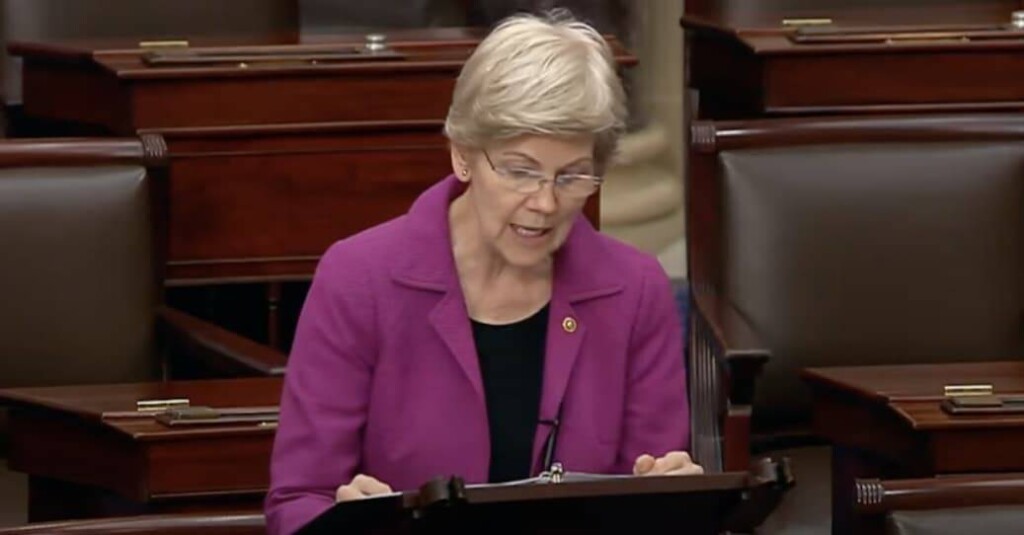
In a remarkable turn of events in the 2024 election cycle, crypto attorney John Deaton has emerged as a formidable challenger to Massachusetts Senator Elizabeth Warren. Known for his strong defense of cryptocurrency interests, Deaton’s campaign has gained substantial traction, notably outraising Warren in the first quarter of the year. This surge in fundraising, largely fueled by prominent figures within the crypto community, signals a shifting dynamic in the race and highlights the growing political influence of the crypto sector. This article delves into the details of Deaton’s campaign fundraising, his background, his clash with Warren’s policies, and what this could mean for the future of crypto regulation and political influence.
John Deaton’s campaign fundraising results for the first quarter of 2024 have stunned political observers. According to Federal Election Commission data, Deaton raised approximately $1.36 million, surpassing Senator Elizabeth Warren’s $1.1 million haul. This is a significant achievement for a challenger, especially against an established incumbent like Warren.
The bulk of Deaton’s donations come from influential figures in the cryptocurrency industry. Notable contributors include Ripple executives Brad Garlinghouse and Chris Larsen, the Winklevoss twins, Cardano founder Charles Hoskinson, and Bitcoin advocate Jameson Lopp. These donations reflect a strong alignment between Deaton’s campaign and the interests of the crypto community.
Many of these industry leaders contributed the maximum allowable amount of $6,600, underscoring their commitment to Deaton’s candidacy. This financial backing provides Deaton with resources to amplify his message and compete effectively in Massachusetts, a state traditionally dominated by Democrats.
Senator Elizabeth Warren has been a vocal critic of the cryptocurrency industry, often warning about its risks and calling for stricter regulations. Her stance has made her a polarizing figure within the crypto community, which views her regulatory approach as hostile to innovation.
In February 2024, Warren preemptively addressed Deaton’s campaign, cautioning her supporters about the significant funding from powerful special interests backing him. She highlighted the challenge of facing a well-financed opponent supported by the crypto sector and the GOP, signaling her awareness of the uphill battle ahead.
Despite this, Warren remains a seasoned politician with a strong base in Massachusetts. Her policy positions extend beyond crypto, encompassing issues such as student loan forgiveness, immigration, and Federal Reserve reform. These broader political disagreements further fuel the contest between her and Deaton.
John Deaton is best known for his legal advocacy on behalf of cryptocurrency holders, particularly his representation of 75,000 XRP investors in a high-profile lawsuit against the U.S. Securities and Exchange Commission (SEC). This case, which concluded favorably for Ripple, cemented Deaton’s reputation as a staunch defender of crypto rights.
Beyond the Ripple lawsuit, Deaton has been a vocal critic of the SEC’s regulatory approach, which he views as excessively harsh and detrimental to innovation. He has also challenged the SEC in other cases, including its battle with Grayscale over Bitcoin ETFs, which ultimately led to regulatory approval of these financial products.
Deaton’s legal work and public advocacy have made him a prominent figure in the crypto community, translating into substantial grassroots support for his political ambitions. His campaign emphasizes protecting crypto innovation and opposing overregulation that could stifle technological progress.
The political divide between Deaton and Warren extends beyond cryptocurrency regulation. They hold sharply different views on several key issues, reflecting broader ideological differences. For instance, Warren supports student loan forgiveness, a policy Deaton opposes or approaches with skepticism.
On immigration, Warren advocates for more inclusive policies, whereas Deaton’s positions tend to align with more conservative or moderate perspectives. Additionally, Deaton has criticized Warren’s stance on Federal Reserve policies, favoring a more free-market approach to monetary policy.
These policy contrasts underscore the fundamental differences between the candidates and highlight the diverse constituencies each aims to represent. Deaton’s campaign appeals to libertarian-leaning voters and crypto enthusiasts, while Warren maintains a progressive base focused on social justice and economic reform.
The crypto industry’s involvement in John Deaton’s campaign illustrates the growing political influence of digital asset advocates. As cryptocurrencies gain mainstream attention, industry leaders are increasingly investing in political campaigns to shape regulatory environments favorable to innovation.
This trend represents a shift from traditional political funding patterns, with crypto donors channeling resources to candidates who support blockchain technology and oppose restrictive regulations. Deaton’s fundraising success exemplifies how specialized industry support can challenge established incumbents.
However, this influx of crypto money also draws scrutiny and raises questions about the role of digital currencies in campaign finance. Critics argue that crypto-backed candidates may prioritize industry interests over broader public concerns, intensifying debates about transparency and influence.
John Deaton’s fundraising edge and strong crypto backing inject new energy into the Massachusetts Senate race. While Elizabeth Warren remains a formidable incumbent, Deaton’s campaign momentum signals a competitive contest that could reshape political dynamics in the state.
Deaton’s appeal to younger, tech-savvy voters and libertarian-leaning constituencies presents a challenge to Warren’s traditional base. If he can sustain his fundraising and expand outreach beyond crypto circles, he may erode her support and force a more contested primary.
The race also highlights the broader national conversation about the future of cryptocurrency regulation and the political power of emerging industries. Massachusetts could become a bellwether for how crypto advocates engage with electoral politics moving forward.
Despite his strong start, John Deaton faces significant hurdles in unseating a well-established senator like Elizabeth Warren. Massachusetts is a Democratic stronghold, and Warren’s name recognition and political infrastructure provide her with substantial advantages.
Deaton must broaden his appeal beyond crypto supporters and address diverse voter concerns, including healthcare, education, and climate change. Successfully navigating these complex issues will be critical to building a winning coalition.
Nevertheless, Deaton’s campaign benefits from substantial financial resources and a passionate base. His outspoken defense of cryptocurrency innovation and critique of regulatory overreach resonate with an important segment of the electorate eager for change and technological progress.
John Deaton’s campaign raises important questions about the intersection of cryptocurrency and political power. As digital assets become more mainstream, their proponents seek greater influence in shaping policies that affect their industry’s growth and legitimacy.
The 2024 Senate race in Massachusetts could serve as a case study for how crypto advocacy translates into electoral success or failure. The outcome may influence regulatory approaches and signal to other crypto supporters whether political engagement is an effective strategy.
Ultimately, the evolving relationship between crypto and politics will continue to shape legislative priorities and campaign dynamics in upcoming election cycles, making this race a pivotal moment for both sectors.
John Deaton’s impressive fundraising performance and strong ties to the cryptocurrency community mark a notable development in the 2024 Massachusetts Senate race. His challenge to Senator Elizabeth Warren reflects broader tensions between emerging tech industries and established political figures over regulation and policy direction. While Warren remains a powerful incumbent, Deaton’s campaign momentum and financial backing underscore the growing political clout of the crypto sector. As the race unfolds, it will not only determine a Senate seat but also signal how digital asset advocates might influence American politics in the years ahead.
Originally reported by cryptonews.com. Adapted for our readers.
Keep reading
Top Stories
Since the Supreme Court overturned Roe v. Wade in 2022, the landscape of abortion rights in the United S...
Top Stories
Top Stories Tamfitronics One evening in May, nursing assistant Debra Ragoonanan’s vision blurred during her shift at a state-run Massachusetts vet...
Top Stories
2:54 PM Saudi Arabia shouldn’t be part of Iran-U.S. war, Turkish foreign minister says Turkish Foreign Minister Hakan Fidan spoke out Saturday about…
TAMFIS NIG LTD
Electrical and instrumentation engineering, bid preparation and consulting, IT and software.