
Top Stories
KFF Health News’ ‘What the Health?’: The Supreme Court and the Abortion Pill
Since the Supreme Court overturned Roe v. Wade in 2022, the landscape of abortion rights in the United S...
TAMFIS NIG LTDRC 8067447CAC ACTIVEFinima, Bonny Island, Rivers State

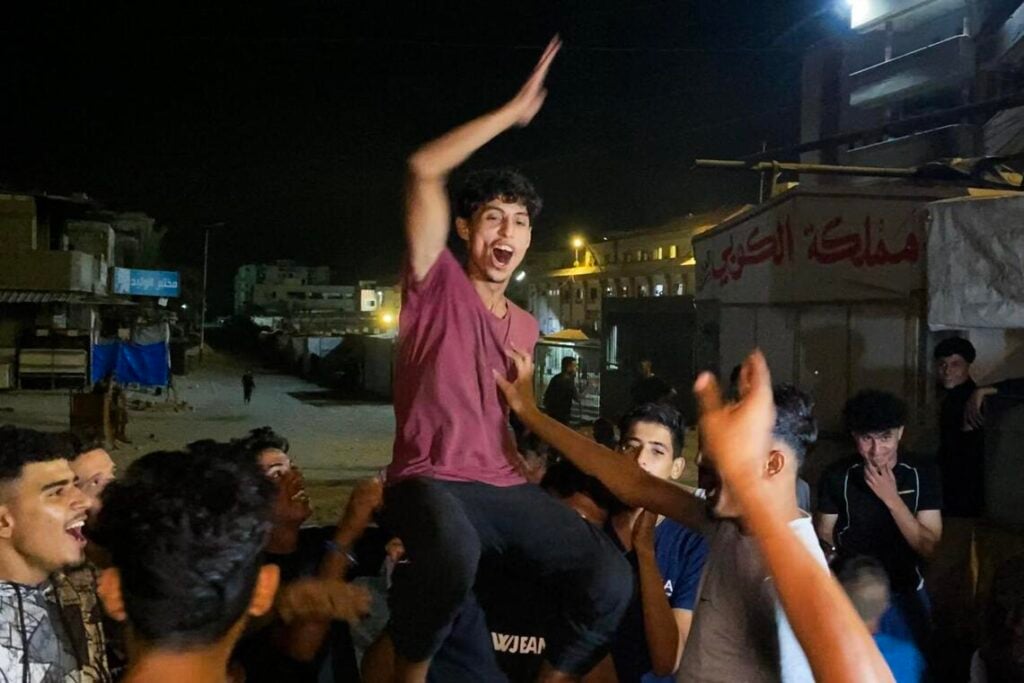
After two grueling years marked by relentless conflict, destruction, and loss, a landmark agreement between Israel and Hamas has ignited celebrations across Gaza and Israel. The deal, which includes a ceasefire and the return of Israeli hostages, represents a critical step toward ending one of the most protracted and violent conflicts in the Middle East. This article delves into the reactions from civilians and families affected by the war, the details of the agreement, and the potential path forward for peace and reconstruction.
In Gaza, where more than two million people have endured displacement and destruction due to ongoing Israeli airstrikes, news of the ceasefire sparked spontaneous celebrations. Despite some continued Israeli strikes in parts of the enclave, young men gathered in the streets of Khan Younis and other areas, applauding and expressing relief. Their joy was a powerful testament to the collective yearning for peace after years of suffering.
Residents expressed gratitude for the end of bloodshed. Abdul Majeed Abd Rabbo, a local resident, emphasized the widespread happiness, noting that the ceasefire was celebrated not only in Gaza but throughout the Arab world and beyond. For many, the agreement symbolized hope for a future without violence and the chance to rebuild shattered lives.
The atmosphere was a mix of joy and cautious optimism. While many celebrated, some remained wary about the sustainability of the ceasefire, aware of the fragile nature of peace in the region. Nonetheless, the initial response revealed a deep desire among Gazans to return to normalcy and live without fear.
In Tel Aviv, the mood was equally jubilant as families of Israeli hostages gathered in Hostages Square to receive the news. The agreement included provisions for the return of all Israeli hostages, both living and deceased, a promise that brought overwhelming relief to many who had endured years of anguish and uncertainty.
Einav Zaugauker, mother of a hostage, described her emotions as indescribable. The prospect of reunion with her son Matan filled her with an intense mixture of joy and disbelief. Her words captured the profound human impact of the deal, emphasizing the emotional weight carried by families torn apart by the conflict.
Former hostages, like Omer Shem-tov, also shared their feelings of immeasurable relief. The agreement marked a turning point, offering a long-awaited resolution to one of the war’s most painful aspects. The collective celebration was a moment of unity and hope amid years of hardship.
The ceasefire agreement, reached through indirect talks in Egypt, represents the first phase of a broader peace framework initially proposed by former US President Donald Trump. The deal includes an immediate halt to hostilities and the safe return of Israeli hostages held by Hamas, addressing two critical issues that had prolonged the conflict.
While the ceasefire brings immediate relief, it also lays the groundwork for future negotiations aimed at resolving deeper political and territorial disputes. The agreement highlights the importance of diplomatic engagement and international mediation in achieving sustainable peace in the region.
Despite the optimism, both sides have cautioned that the agreement’s implementation will require careful management. Israeli forces remain in parts of Gaza temporarily, and restrictions on movement and access persist, reflecting ongoing security concerns and the complexity of the situation on the ground.
Gaza’s physical and social infrastructure has been devastated by years of conflict. Many residents, like Zakeya Rezik, a mother of six, face the reality of living in tents for an extended period due to the destruction of their homes. The rebuilding process is expected to be long and arduous, contingent on the durability of the ceasefire and international support.
The agreement’s terms currently allow Israeli military presence in certain border areas, complicating the return of displaced families to their original homes. This situation underscores the fragile balance between security concerns and humanitarian needs, as residents navigate the challenges of displacement and uncertainty.
Authorities in Gaza have urged caution, advising residents not to return to areas still under Israeli control until the ceasefire’s details are fully clarified. The Israeli military has similarly warned northern Gaza inhabitants to avoid returning due to ongoing risks. These precautions highlight the delicate nature of the ceasefire’s early stages.
The ceasefire and hostage deal mark a significant milestone not only for Gaza and Israel but also for the broader Middle East. The two-year conflict had drawn in regional actors such as Iran, Lebanon, and Yemen, exacerbating tensions and destabilizing the region. The agreement offers hope for de-escalation and renewed diplomatic efforts.
Israel’s international isolation, intensified by the prolonged conflict, may ease as the ceasefire fosters dialogue and cooperation. For Hamas, the deal provides a platform to engage with international actors and address humanitarian concerns, potentially leading to a more stable governance framework in Gaza.
Global stakeholders, including the United States and Egypt, played crucial roles in facilitating negotiations. Their involvement underscores the importance of international diplomacy in resolving entrenched conflicts and highlights the potential for multilateral efforts to promote lasting peace.
Amid the political developments, personal stories from civilians bring a human dimension to the ceasefire’s impact. Businessman Tamer Al-Burai, displaced from Gaza City, expressed a mix of disbelief and joy, emphasizing the resilience of those who survived the violence. His hope to rebuild a life free from fear resonates with many in the enclave.
In Israel, families of hostages have endured unimaginable pain. Their joy at the prospect of reunification reflects years of endurance and unwavering hope. These narratives highlight the profound emotional cost of the conflict and the transformative power of peace agreements.
Both Palestinians and Israelis share a common desire for safety, stability, and the ability to live without the shadow of war. The ceasefire represents not just a political milestone but a collective aspiration for a future where coexistence and reconciliation become possible.
While the ceasefire is a critical first step, sustaining peace will require ongoing commitment from all parties involved. Diplomatic efforts must continue to address underlying issues such as territorial disputes, security guarantees, and humanitarian aid to Gaza’s population.
Reconstruction and economic recovery are essential components of long-term stability. International donors and organizations will play vital roles in supporting rebuilding efforts and facilitating the return of displaced residents to their homes.
Building trust between Israelis and Palestinians remains a significant challenge. Grassroots initiatives, dialogue forums, and cultural exchanges could complement political agreements by fostering understanding and reconciliation among communities affected by the war.
The ceasefire agreement between Israel and Hamas marks a hopeful turning point after two years of devastating war. Celebrations across Gaza and Israel underscore the profound desire for peace and the end of suffering. While challenges remain, the deal offers a foundation for rebuilding lives, restoring trust, and fostering regional stability. Continued diplomatic engagement and humanitarian support will be crucial to transforming this moment of relief into a lasting peace that benefits all affected communities.
Originally reported by straitstimes.com. Adapted for our readers.
Keep reading
Top Stories
Since the Supreme Court overturned Roe v. Wade in 2022, the landscape of abortion rights in the United S...
Top Stories
Top Stories Tamfitronics One evening in May, nursing assistant Debra Ragoonanan’s vision blurred during her shift at a state-run Massachusetts vet...
Top Stories
2:54 PM Saudi Arabia shouldn’t be part of Iran-U.S. war, Turkish foreign minister says Turkish Foreign Minister Hakan Fidan spoke out Saturday about…
TAMFIS NIG LTD
Electrical and instrumentation engineering, bid preparation and consulting, IT and software.