
Top Stories
KFF Health News’ ‘What the Health?’: The Supreme Court and the Abortion Pill
Since the Supreme Court overturned Roe v. Wade in 2022, the landscape of abortion rights in the United S...
TAMFIS NIG LTDRC 8067447CAC ACTIVEFinima, Bonny Island, Rivers State

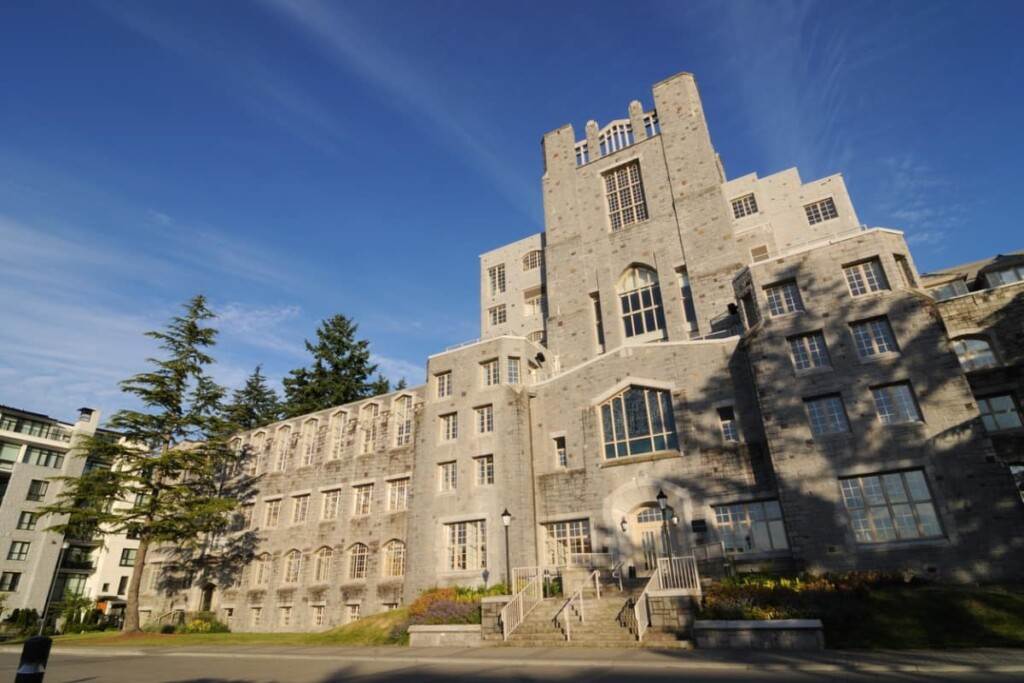
British Columbia’s Ministry of Post-Secondary Education and Future Skills recently unveiled new guidelines designed to regulate international student enrollment in the province’s public post-secondary institutions. The changes primarily focus on limiting international student numbers to a maximum of 30% of total enrollment per institution. This move is part of a broader strategy to maintain the quality and integrity of the international education system, protect domestic and Indigenous student opportunities, and promote transparency in tuition fees. As global demand for studying in Canada continues to rise, these policies represent a significant shift in how B.C. manages its international education sector.
British Columbia has long been a favored destination for international students due to its high-quality education system, diverse communities, and vibrant economy. The province hosts over 110,000 international students enrolled in public institutions, contributing significantly to both the educational landscape and the local economy.
International students bring substantial economic benefits, including tuition revenue and living expenses. According to Statistics Canada, international undergraduate students in B.C. paid an average of $38,081 in tuition during the 2023/2024 academic year, highlighting the financial importance of this demographic to institutions and the province.
However, the rapid growth in international student numbers has raised concerns regarding institutional capacity, quality assurance, and the potential displacement of domestic students. These issues prompted the Ministry of Post-Secondary Education and Future Skills to implement new measures aimed at balancing growth with sustainability and equity.
The cornerstone of the new policy is the introduction of a cap limiting international student enrollment to 30% of total student populations at public Designated Learning Institutions (DLIs). This threshold is designed to ensure that institutions can maintain high educational standards and adequate support services for all students.
Beyond enrollment caps, the guidelines emphasize enhancing the integrity of international education through the Education Quality Assurance (EQA) code of practice. The EQA sets higher standards for institutions, requiring them to develop strategic plans for international education, improve student services, and provide sufficient housing supports.
Another critical objective is to protect Indigenous and domestic students from being displaced by the increasing number of international students. The guidelines mandate that institutions demonstrate how they will meet these standards without compromising opportunities for local learners.
The 30% cap specifically applies to public post-secondary institutions in British Columbia, while private institutions are currently exempt from this limit. This differentiation recognizes the distinct operational models and funding mechanisms between public and private DLIs.
Many of B.C.’s 25 public institutions already enroll international students at rates below the 30% threshold. This suggests the cap will primarily affect institutions experiencing rapid growth in international student numbers, requiring them to adjust recruitment strategies accordingly.
The Ministry has committed to working closely with affected institutions to provide transition periods and mitigate potential financial impacts. Institutions will use their international education strategic plans to outline how they intend to comply with the new cap over time.
Provincial Attestation Letters (PALs) are a new mechanism introduced by Immigration, Refugees and Citizenship Canada (IRCC) to regulate the issuance of study permits. Each province receives an allocation of PALs based on population size, which they then distribute to DLIs to control international student intake.
For 2024, British Columbia received an allocation of 83,000 PALs, with 53% designated for public institutions and 47% for private institutions. This distribution aligns with provincial priorities and supports the management of enrollment within the newly set guidelines.
Although the Ministry did not explicitly confirm whether the 30% cap is an additional restriction beyond PAL allocations, the two measures collectively serve to regulate international student numbers, ensuring sustainable growth and program quality across B.C.
One of the new guidelines requires all DLIs in British Columbia to clearly post tuition fees for the entire duration of a student’s program before enrollment. This transparency enables prospective international students to budget effectively and make informed decisions about their education and living expenses.
Transparent tuition policies address concerns about unexpected fee increases during a student’s studies, which can create financial strain and uncertainty. By providing upfront cost information, institutions demonstrate accountability and foster trust with international applicants and their families.
Given the significant financial contribution of international students to the province’s economy—estimated at over $37 billion nationally in 2022—the move toward fee transparency is a critical step in supporting a fair and sustainable international education market.
The Education Quality Assurance (EQA) code of practice mandates that institutions meet or exceed provincial quality standards to be eligible to enroll international students. This includes comprehensive institutional reviews, improved student support services, and robust housing provisions.
Institutions must also develop detailed international education strategic plans that outline how they will maintain quality, support student success, and comply with enrollment limits. These plans are essential tools for accountability and continuous improvement.
The new standards build upon previous frameworks introduced by the province, such as the International Framework Measures, which paused the growth of new DLIs and increased oversight of private institutions. Together, these policies reinforce B.C.'s commitment to high-quality, equitable international education.
For international students, the new guidelines may result in more competitive admission processes at public post-secondary institutions due to limited enrollment slots. However, the enhanced quality assurance and transparent fee structures aim to improve the overall student experience.
Institutions will need to recalibrate their recruitment strategies, focusing on sustainable growth and aligning with provincial priorities. They may also invest more in student services and infrastructure to meet the heightened quality standards.
While private institutions are not currently subject to the 30% cap, increased scrutiny and accountability measures may impact their operations. Overall, these measures seek to balance the benefits of international education with the needs of domestic students and the province’s educational goals.
British Columbia’s new guidelines represent a strategic effort to ensure the long-term sustainability and integrity of its international education sector. By setting enrollment limits, enhancing transparency, and raising quality standards, the province aims to create a more balanced and equitable system.
As global demand for Canadian education continues to grow, B.C.’s policies may serve as a model for other provinces seeking to balance international student benefits with domestic priorities. Monitoring the impact of these guidelines will be critical in refining approaches over time.
Ultimately, these measures reinforce British Columbia’s commitment to providing world-class education while safeguarding the interests of all students, fostering a supportive learning environment, and maintaining the province’s reputation as a top destination for international learners.
British Columbia’s introduction of new guidelines to limit international student enrollment marks a pivotal moment in the province’s approach to international education. By capping enrollment at 30% for public institutions and enforcing stringent quality assurance standards, the Ministry of Post-Secondary Education and Future Skills demonstrates its commitment to balancing growth with sustainability, equity, and academic excellence. These measures not only protect the interests of domestic and Indigenous students but also enhance transparency and institutional accountability. As the global landscape of higher education evolves, British Columbia’s policies position the province to maintain its status as a premier destination for international learners while ensuring a high-quality, inclusive educational environment for all students.
Originally reported by cicnews.com. Adapted for our readers.
Keep reading
Top Stories
Since the Supreme Court overturned Roe v. Wade in 2022, the landscape of abortion rights in the United S...
Top Stories
Top Stories Tamfitronics One evening in May, nursing assistant Debra Ragoonanan’s vision blurred during her shift at a state-run Massachusetts vet...
TAMFIS NIG LTD
Electrical and instrumentation engineering, bid preparation and consulting, IT and software.

