Top Stories
KFF Neatly being Files’ ‘What the Neatly being?’: Abortion Access Altering Again in Florida and Arizona
The landscape of abortion access in the United States continues to evolve rapidly, with Florida and Ariz...
TAMFIS NIG LTDRC 8067447CAC ACTIVEFinima, Bonny Island, Rivers State

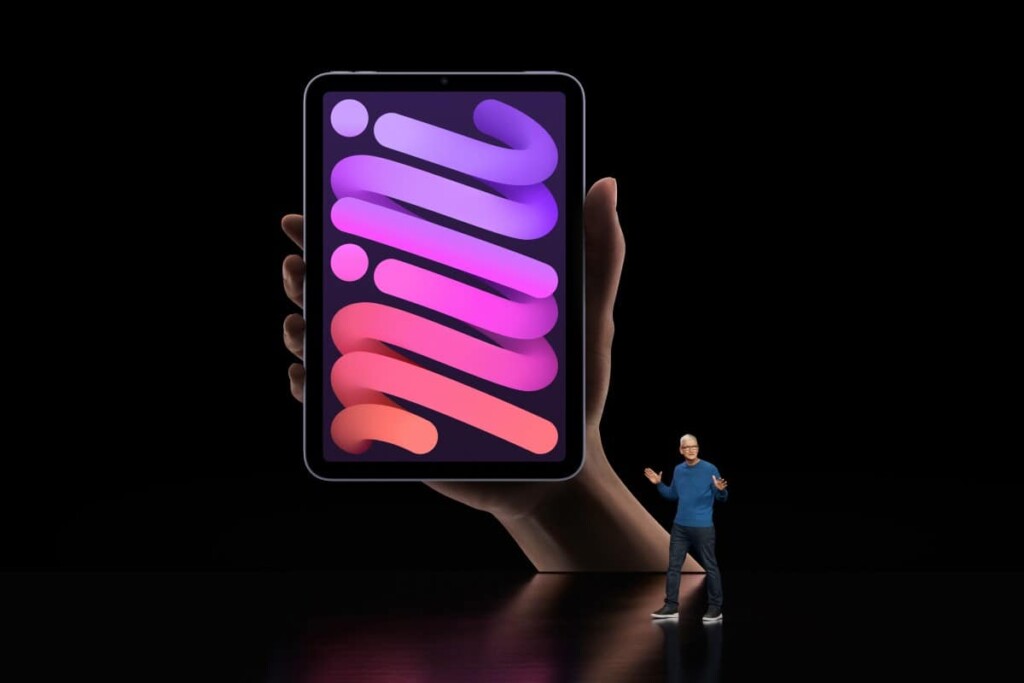
Apple's iPad lineup has long been a cornerstone of the company's hardware ecosystem, blending portability, power, and versatility. Over the years, Apple has used dedicated events—commonly referred to as 'matches' or product launches—to showcase innovations in iPad technology, including advancements in chips, displays, and accessories like the Apple Pencil. Understanding what to position a question to during these matches is crucial for consumers, developers, and tech enthusiasts aiming to grasp the trajectory of Apple's tablet strategy. This article delves deep into the nuances of Apple iPad matches, exploring what attendees and observers should focus on, the significance of rumored updates, and how these events influence the broader tablet market.
Apple iPad matches are specialized events where the company highlights new developments in its iPad lineup. Unlike the broader Worldwide Developer Conference (WWDC) or the flagship September iPhone events, these matches often zoom in on the tablet segment, allowing Apple to focus on hardware upgrades, software enhancements, and accessory integrations specific to iPads.
The purpose of these matches extends beyond mere product announcements. They serve as strategic platforms to realign consumer expectations, introduce cutting-edge technologies such as new processors or display technologies, and demonstrate how the iPad fits into Apple's expanding ecosystem. For developers, these events often unveil new APIs and tools tailored for iPadOS, fostering innovation within the platform.
Given the competitive tablet market and Apple's ambition to blur the lines between tablets and laptops, iPad matches are critical moments to assess the company's vision. They offer insights into how Apple plans to maintain its dominance and address challenges posed by rivals, evolving user needs, and technological advancements.
When positioning a question to an Apple iPad match, it is essential to focus on the core components Apple tends to emphasize. These include new silicon chips, display technologies, accessory updates, and software features. For instance, the introduction of the M-series chips in iPads has significantly boosted performance and efficiency, signaling Apple's commitment to high-end computing on tablets.
Display technology is another vital aspect. Rumors and reports frequently surface about Apple transitioning to OLED or mini-LED panels for iPads, which promise better contrast ratios, color accuracy, and battery life. Questions about display advancements often reveal Apple's priorities in enhancing user experience, particularly for creative professionals and media consumers.
Accessory integrations, especially regarding the Apple Pencil and Magic Keyboard, are also focal points. Updates to the Apple Pencil’s sensitivity, haptics, or charging methods can dramatically influence how users interact with their devices. Thus, inquiries about accessory innovations provide a window into Apple's efforts to bridge productivity and creativity.
Apple’s transition to its own silicon has revolutionized the iPad’s capabilities. The introduction of the M1 and M2 chips set a new standard for tablet performance, enabling tasks previously reserved for desktops or laptops. The anticipation surrounding the M3 and potential M4 chips is a testament to how pivotal processor upgrades are in Apple’s iPad strategy.
The rumored M4 chip, expected to debut possibly at upcoming events, could mark a significant leap in processing power, efficiency, and AI capabilities. If Apple positions the M4 chip initially on the iPad Pro, it would underscore the company’s intent to keep the iPad at the forefront of mobile computing innovation.
Questions about the chip’s architecture, performance benchmarks, and energy consumption are crucial to understanding how Apple plans to balance raw power with portability. Additionally, insights into how these chips integrate with iPadOS features can illuminate the future potential of the iPad as a hybrid device.
Display technology remains a critical battleground in the tablet market. Apple’s iPad series has traditionally used high-quality LCD panels, with recent models adopting mini-LED technology for improved brightness and contrast. However, the industry buzz around a potential shift to OLED displays for iPads has intensified.
OLED displays offer deeper blacks, richer colors, and better power efficiency compared to traditional LCDs. The transition to OLED could rejuvenate the iPad lineup, making it more appealing to creative professionals, gamers, and media consumers who demand superior visual fidelity.
When positioning questions during an iPad match, it is pertinent to inquire about display innovations, availability across different iPad models, and how Apple plans to address challenges like burn-in or cost. These factors directly affect not only user experience but also the product’s market positioning.
The Apple Pencil has become an indispensable tool for many iPad users, especially in creative and educational sectors. Its evolution from a basic stylus to a sophisticated input device with pressure sensitivity, tilt recognition, and palm rejection has transformed how users interact with their tablets.
Recent rumors suggest Apple is working on new Apple Pencil features, such as squeeze detection, enhanced haptic feedback, and interchangeable magnetic attachments. These innovations aim to improve ergonomics, precision, and overall usability, making the stylus more versatile and intuitive.
Questions about Apple Pencil enhancements during an iPad match can reveal how Apple intends to maintain its competitive edge in stylus technology. Furthermore, understanding accessory support and ecosystem integration highlights the company’s broader vision for creative workflows on the iPad.
Hardware advancements are only part of the story; Apple’s software ecosystem plays a pivotal role in maximizing the iPad’s potential. iPadOS, with its multitasking capabilities, widget support, and app optimization, is designed to leverage the hardware’s strengths while providing a seamless user experience.
During iPad matches, Apple often unveils software features that complement new hardware, such as improved Apple Pencil functionality, enhanced multitasking gestures, and developer tools tailored for iPadOS. These updates are crucial for users looking to understand the real-world benefits of new iPad models.
Positioning questions around software enhancements and ecosystem integration helps clarify how Apple balances innovation with usability. It also sheds light on how iPads fit within the broader Apple product family, including MacBooks, iPhones, and services like iCloud and Apple Arcade.
Despite its dominant market share, Apple’s iPad segment faces challenges from a contracting tablet market and aggressive competition. Reports indicate that global tablet shipments declined by approximately 10% in recent years, reflecting shifting consumer preferences and economic factors.
Apple’s strategy to refresh the iPad lineup with cutting-edge silicon, display improvements, and accessory innovations is a response to these market pressures. The company aims to reinvigorate demand by appealing to both casual users and professionals seeking powerful, versatile devices.
Questions about Apple’s market positioning during iPad matches often revolve around how new products address these challenges. Insights into pricing strategies, target demographics, and differentiation from competitors like Microsoft’s Surface or Samsung’s Galaxy Tab are essential for understanding Apple’s long-term vision.
To make the most of an Apple iPad match, it is vital to prepare thoughtful questions that address key areas such as performance, display, accessories, software, and market strategy. For example, asking about the specifics of the new chip’s capabilities or the timeline for OLED adoption can provide valuable insights.
Additionally, inquiries about Apple Pencil improvements, charging methods, and compatibility with existing accessories help clarify the user experience enhancements. Questions about software updates and developer support reveal how Apple is fostering innovation on the iPad platform.
Finally, understanding Apple’s broader market approach—how it plans to sustain growth amid a shrinking tablet market—can inform purchasing decisions and expectations. Being well-prepared with targeted questions enables consumers, analysts, and developers to engage more meaningfully with the event.
Apple’s iPad matches are more than just product launches; they are pivotal moments that define the future of one of the world’s most influential tablet lines. By understanding what to position a question to during these events—ranging from silicon advancements and display innovations to accessory updates and software enhancements—consumers and industry watchers can better appreciate Apple’s strategic direction. As the tablet market evolves, Apple’s commitment to refining the iPad experience through thoughtful hardware and software integration will likely keep it at the forefront of innovation. Engaging deeply with these matches, armed with targeted questions, ensures that users remain informed and ready to harness the full potential of Apple’s iPad ecosystem.
Originally reported by techcrunch.com. Adapted for our readers.
Keep reading
Top Stories
The landscape of abortion access in the United States continues to evolve rapidly, with Florida and Ariz...
Top Stories
California’s homelessness crisis has reached unprecedented levels, with the state now home to a third of...
Top Stories
Top Stories Tamfitronics Not yet gleaming her subsequent opponent, Taylor Heise took the diplomatic approach in announcing she didn’t have a preference...
TAMFIS NIG LTD
Electrical and instrumentation engineering, bid preparation and consulting, IT and software.