Top Stories
Discovery beneath soccer field reveals massive medieval convent lost for centuries
NEWYou can now listen to Fox News articles! Researchers recently uncovered a long-lost medieval convent in an unusual location in Denmark: a soccer field…
TAMFIS NIG LTDRC 8067447CAC ACTIVEFinima, Bonny Island, Rivers State

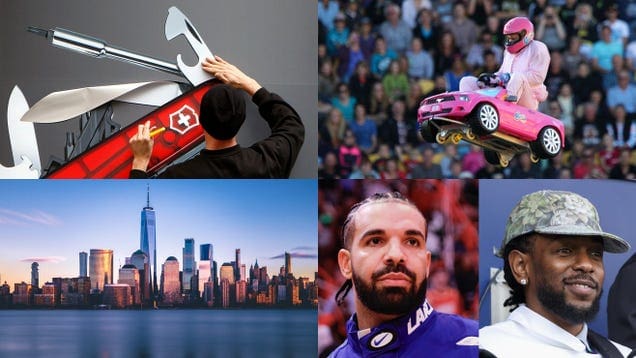
In today’s fast-paced world, the concept of living standards stretches far beyond mere income or comfort. It encapsulates innovation, urban infrastructure, and wealth distribution, influencing how people experience daily life. This comprehensive news roundup highlights three intriguing topics shaping modern standards of living: a revolutionary Swiss Army Knife model lacking its signature blade, an analysis of the worst cities for driving based on multiple factors, and a metropolitan area that surprisingly ranks among the top cities globally for millionaires. By examining these diverse stories, we gain a broader understanding of multifunctionality, urban challenges, and wealth concentration shaping contemporary lifestyles.
The Swiss Army Knife, an icon of multifunctionality, has long been celebrated for its compact design and wide array of tools. Traditionally, it includes blades, scissors, corkscrews, and more, offering a versatile solution for everyday tasks. Recently, Victorinox, the renowned Swiss manufacturer, introduced a unique iteration of this classic tool—a Swiss Army Knife without the traditional knife blade. This innovation caters to evolving safety regulations and consumer preferences, especially in environments restricting sharp objects.
Removing the blade does not compromise the knife’s utility. Instead, it emphasizes other tools like screwdrivers, bottle openers, tweezers, and nail files, which remain highly functional for daily needs. This blade-free model is particularly appealing to travelers and professionals who require multifunctional tools but face restrictions on carrying knives, such as in airports or secure workplaces. It highlights a shift towards adaptability while maintaining the brand’s commitment to quality and practicality.
This reinvention also serves as a metaphor for multifunctionality in modern products—prioritizing flexibility and user safety without sacrificing core usefulness. The blade-free Swiss Army Knife exemplifies how traditional designs can evolve to meet contemporary demands, ensuring the product remains relevant in a changing world. It challenges the notion that multifunctional tools must include every typical component to be effective.
Driving remains a central mode of transportation worldwide, yet not all urban environments offer a smooth or enjoyable experience behind the wheel. Recent studies have ranked cities based on factors such as driving time, safety, cost of car ownership, and access to vehicle maintenance. These metrics reveal significant disparities in how conducive different cities are for drivers, impacting residents’ quality of life and daily routines.
Cities with heavy traffic congestion, poor road infrastructure, and high accident rates often top the list of worst places for driving. For instance, metropolitan areas with outdated traffic management systems or insufficient public transportation alternatives force drivers into prolonged commutes and heightened stress levels. Additionally, expensive car ownership costs and limited access to affordable maintenance services exacerbate these challenges, making driving a costly and frustrating endeavor.
Understanding these factors helps urban planners and policymakers target improvements that enhance mobility and safety. For residents, awareness of their city’s driving conditions can influence decisions about commuting methods or vehicle ownership. The rankings also highlight the importance of investing in sustainable transportation solutions to reduce reliance on cars and improve urban living standards.
While some cities struggle with traffic woes and infrastructure challenges, others shine as hubs of wealth and luxury. Recent wealth reports identify metropolitan areas that house the highest concentrations of millionaires, reflecting economic vitality and investment opportunities. These cities often offer exceptional living standards, including high-quality services, cultural amenities, and robust real estate markets appealing to affluent individuals.
One metropolitan area stands out as a top destination for millionaires, boasting a wealth exceeding multiple trillions of dollars collectively held by its residents. This concentration stems from diverse factors such as thriving financial sectors, entrepreneurial ecosystems, and favorable tax policies. The presence of luxury amenities, exclusive neighborhoods, and prestigious educational institutions further cements these cities as attractive living and investment destinations for the wealthy.
However, the high concentration of wealth also brings challenges, including housing affordability issues and social stratification. Balancing economic growth with inclusive development remains a key priority for city planners and governments aiming to maintain livability for all residents, regardless of income. The dynamic between wealth concentration and urban inclusivity continues to shape the narrative of modern metropolitan life.
The Swiss Army Knife’s evolution from a blade-centric tool to a safer, blade-free variant mirrors broader trends in product innovation focused on user safety and multifunctionality. In an era where security concerns and regulations are increasingly stringent, manufacturers must rethink traditional designs without alienating loyal customers. Victorinox’s approach demonstrates how heritage brands can innovate responsibly while preserving brand identity.
Beyond personal utility, this innovation has implications for industries such as travel, education, and corporate environments, where carrying sharp objects is often prohibited. The blade-free Swiss Army Knife bridges the gap between functionality and compliance, enabling users to carry essential tools without legal or safety concerns. It also sparks conversations about what defines a tool’s core value—whether it lies in its most iconic feature or its overall versatility.
This shift also reflects changing consumer values prioritizing convenience and adaptability. As lifestyles become more dynamic, products that can serve multiple purposes safely and efficiently gain favor. The Swiss Army Knife’s transformation is a case study in how traditional products can remain relevant by embracing modern expectations and regulatory landscapes.
The difficulties faced by drivers in the worst-ranked cities highlight systemic issues in urban planning and transportation policy. Congested roads, inadequate public transit options, and poorly maintained infrastructure contribute to longer travel times and increased accident risks. These conditions not only frustrate drivers but also have broader economic and environmental consequences, such as lost productivity and higher emissions.
Policy interventions aimed at improving road safety, expanding public transportation networks, and promoting alternative mobility options like cycling and walking can mitigate these challenges. Cities that invest in smart traffic management systems and infrastructure upgrades tend to see improvements in driving conditions and overall urban mobility. Moreover, integrating technology such as real-time traffic monitoring and autonomous vehicle readiness can further enhance safety and efficiency.
Addressing these issues requires collaboration among government agencies, urban planners, and community stakeholders. Effective policies must balance the needs of drivers with environmental sustainability and equitable access to transportation. The lessons learned from the worst cities for driving serve as valuable guides for future urban development initiatives.
Cities with high concentrations of millionaires often provide superior public services, including healthcare, education, and cultural offerings, which contribute to elevated living standards. These amenities attract both wealthy individuals and skilled professionals, creating vibrant, economically robust urban centers. Additionally, such cities typically feature well-maintained infrastructure and low crime rates, enhancing residents’ sense of security and well-being.
However, the influx of wealth can also drive up living costs, impacting affordability for middle- and lower-income residents. Housing markets may become exclusive, and socioeconomic disparities can widen, posing challenges to social cohesion. Urban planners must therefore implement policies that promote inclusive growth, ensuring that prosperity benefits a broad spectrum of the population.
The relationship between wealth concentration and quality of life is complex and multifaceted. While economic affluence can fuel improvements in urban environments, it also necessitates mindful governance to balance growth with equity. Understanding these dynamics is crucial for fostering sustainable and livable cities.
The Swiss Army Knife’s blade-free innovation and the challenges faced by urban drivers both underscore evolving needs in multifunctionality and adaptability. As cities become more complex and lifestyles more diverse, tools and infrastructures must evolve to meet new demands efficiently and safely. This evolution extends beyond physical products to include digital solutions and smart city technologies that enhance daily experiences.
Urban environments are increasingly adopting integrated mobility systems combining public transit, ride-sharing, and micro-mobility options to alleviate traffic congestion and improve accessibility. Similarly, multifunctional tools are trending towards modularity and customization, allowing users to tailor devices to specific needs without excess bulk or risk.
Looking ahead, the intersection of innovative product design and urban planning will shape how people navigate their environments and manage daily tasks. Embracing flexibility, safety, and inclusivity will be vital in creating sustainable living standards that accommodate diverse populations and changing societal norms.
The Swiss Army Knife’s evolution into a blade-free tool exemplifies how traditional products can adapt to modern safety and regulatory demands without losing multifunctionality. This shift highlights a broader trend towards safer, more versatile everyday tools.
Driving conditions vary widely across cities, with the worst-ranked locations suffering from congestion, high costs, and safety issues. Addressing these challenges requires comprehensive urban planning and policy reforms focused on infrastructure and sustainable mobility.
Certain metropolitan areas stand out as magnets for millionaires, reflecting economic vitality but also raising concerns about affordability and social equity. Balancing wealth concentration with inclusive urban development is a key challenge for future city planning.
The stories covered in this roundup reveal the intricate interplay between innovation, urban challenges, and wealth distribution in shaping contemporary standards of living. The blade-free Swiss Army Knife reflects how classic products can evolve to meet new safety and multifunctionality demands. Meanwhile, the analysis of the worst cities for driving underscores the urgent need for improved infrastructure and sustainable mobility policies. At the same time, cities with high concentrations of millionaires demonstrate the potential and pitfalls of wealth-driven urban development. Together, these insights highlight the importance of adaptability, inclusivity, and forward-thinking strategies in enhancing quality of life in our rapidly changing world.
Originally reported by qz.com. Adapted for our readers.
Keep reading
Top Stories
NEWYou can now listen to Fox News articles! Researchers recently uncovered a long-lost medieval convent in an unusual location in Denmark: a soccer field…
News
By Engr. Tamunofiniarisa BrownReading Time: 6 Minutes The conflict between Russia and Ukraine is often framed in the media as a simple battle between…
TAMFIS NIG LTD
Electrical and instrumentation engineering, bid preparation and consulting, IT and software.