
Business
Nigeria’s Economic Performance: Domestic Debt Rise and Agriculture Trade Shift in Q2 2026
Nigeria's economic landscape in the second quarter of 2026 presents a mixed picture of fiscal press...
TAMFIS NIG LTDRC 8067447CAC ACTIVEFinima, Bonny Island, Rivers State

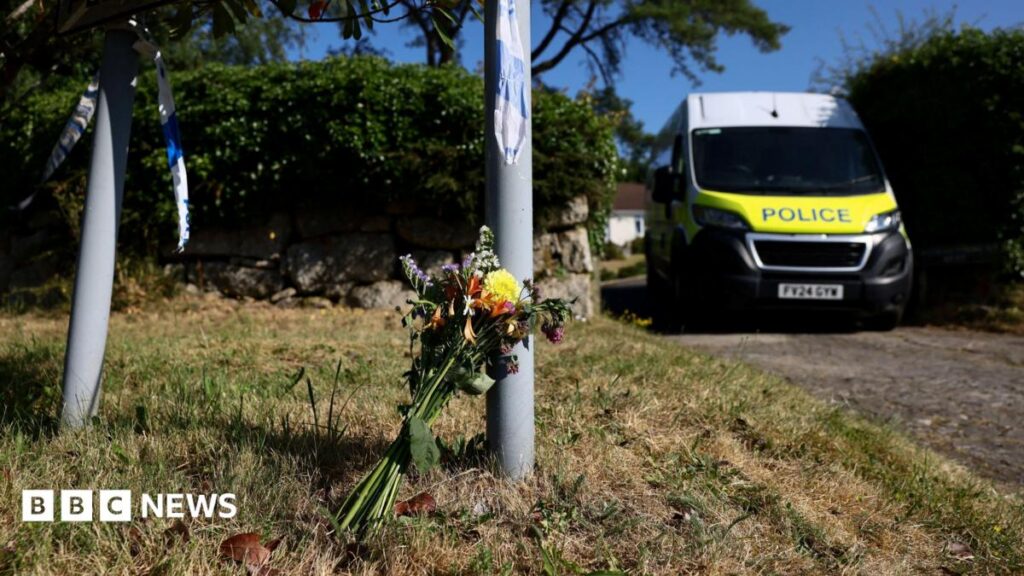
The arrest of a 28-year-old man in connection with the murder of former Conservative MP Ann Widdecombe has sent shockwaves through communities across Britain. As details emerge about the suspect's reclusive lifestyle and the targeted nature of the attack, the case has prompted national reflection on the vulnerabilities faced by public officials. Beyond the immediate tragedy, this incident raises critical questions about security protocols, community awareness, and the evolving threats to those who serve in public life. For business leaders, HR professionals, and security consultants, the case offers valuable insights into risk assessment and protective measures in an increasingly complex threat landscape.
Ann Widdecombe, aged 78, was attacked at her home in Haytor, Devon, on 8 July. Her body was discovered the following day, with police confirming she had sustained serious injuries. The incident immediately triggered a major police investigation, given her status as a former MP and ongoing public figure. Within days, investigators arrested a 28-year-old man in South Yorkshire on suspicion of murder and involvement in acts related to terrorism. The suspect was apprehended in Rotherham, where he had been living with his father until the latter's death a few months prior to the attack.
Police have described the killing as a 'targeted attack,' although the precise motive remains under investigation. The involvement of counter-terrorism units underscores the gravity with which authorities are treating the case, despite the absence of an immediately apparent ideological motive. Investigators are working to establish a clear timeline of the suspect's movements, particularly focusing on how he travelled from South Yorkshire to Devon and back within a single day, a journey of approximately four hours each way.
The reaction from those who knew the suspect has been one of profound disbelief. His uncle, speaking to the BBC from Rotherham, described feeling physically overwhelmed upon learning of the arrest, stating his 'legs went like jelly' and that he 'nearly fell to the floor.' He emphasised that his nephew was 'the last person' he would expect to be involved in such violence, recalling him as a 'quiet and unassuming boy' with a gentle and polite nature during childhood.
Neighbour Courtney Foster, who lived near the suspect's home, noted significant changes in his behaviour after his father's passing. She observed that he rarely went out, having previously accompanied his father on shopping trips. On the day of the attack, she saw a car leave the property between 07:30 and 08:00 BST and return around 17:30 or 18:00, which struck her as unusual given his typically reclusive nature. These observations highlight the difficulty in detecting behavioural shifts that may precede violent acts, especially when individuals withdraw from social contact.
The Widdecombe case has reignited long-standing concerns about the adequacy of security measures for current and former politicians. While serving MPs receive certain protections, former office-holders often rely on private arrangements or general police awareness. This incident suggests that even relatively low-profile public figures may face targeted risks, particularly in an era where personal information is more accessible online and grievances can fester in isolation.
Security experts note that effective protection requires a balance between visible deterrence and intelligence-led prevention. For individuals like Widdecombe, who maintained a public presence through media and political activity, risk assessments must account for both their accessibility and the potential for fixation by individuals with grievances, whether real or perceived. The involvement of counter-terrorism police, even in the absence of a clear terrorist motive, reflects a precautionary approach given the symbolic value of attacking a former parliamentarian.
From a risk management perspective, the case illustrates the limitations of relying solely on behavioural indicators to predict violence. The suspect's described reclusiveness, while notable, did not clearly signal imminent danger to those around him. This underscores the need for multifaceted approaches that combine behavioural observation with digital monitoring, threat assessment protocols, and accessible channels for reporting concerns.
Organisations can draw parallels to workplace violence prevention, where sudden behavioural changes, social withdrawal, and expressions of grievance are recognised warning signs. However, as this case shows, such signs are not always definitive predictors. Effective prevention therefore requires creating environments where individuals feel able to seek help for personal struggles, whether related to grief, mental health, or social isolation, without fear of stigma or repercussions.
As the investigation continues, authorities are working to establish a clear motive and build a comprehensive case. In the UK, reporting restrictions typically apply once formal charges are laid, which may limit public details as the case progresses toward potential prosecution. This standard practice aims to balance transparency with the defendant's right to a fair trial, though it can frustrate public demand for information in high-profile cases.
Regardless of the legal outcome, the Widdecombe case has already influenced national conversations about public safety, the pressures of political life, and the responsibilities of communities in protecting their members. For business leaders, it serves as a case study in reputational risk, crisis management, and the human dimensions of security planning. The tragedy reminds us that behind every public figure is a private individual whose safety contributes to the broader health of democratic society.
The murder of Ann Widdecombe represents a profound loss not only to her family and friends but to the broader fabric of public life in Britain. As a politician who served for decades and remained a visible presence through media and political engagement, her death has prompted necessary reflection on how society protects those who choose to serve in the public eye. While the investigation continues to uncover the full circumstances of this tragic event, the case has already made clear that threats to public figures can emerge from unexpected sources and that vigilance must be ongoing and multifaceted. For business leaders, HR professionals, and security consultants, the Widdecombe case offers a sobering reminder that duty of care extends beyond the workplace to encompass the broader safety of individuals whose roles make them recognisable figures. By learning from this tragedy — through improved threat assessment, better support systems, and thoughtful security planning — organisations and communities can work toward creating safer environments for all, whether in public office, corporate leadership, or everyday life.
Originally reported by bbc.co.uk. Adapted for our readers with AI assistance.
Keep reading
Business
Nigeria's economic landscape in the second quarter of 2026 presents a mixed picture of fiscal press...
Business
Liverpool manager Andoni Iraola is confronting a significant selection headache as two key forwards, Cod...
News
Health News tamfitronics [Editor’snote:[Editor’snote: This transcript was generated using both transcription ...
TAMFIS NIG LTD
Electrical and instrumentation engineering, bid preparation and consulting, IT and software.