Sri Lanka’s Innovative Drone Campaign to Combat a Deadly Dengue Fever Outbreak
Dengue fever, a viral illness transmitted by Aedes mosquitoes, is a growing global health concern, particularly in tropical and subtropical regions. Sri Lanka is currently facing a severe dengue outbreak, with tens of thousands infected and dozens of fatalities reported this year. In response, the country has turned to innovative technology, including military drones, to detect and eliminate mosquito breeding sites. This article examines the characteristics of dengue fever, the factors driving the outbreak in Sri Lanka, and the global implications of the disease’s expanding reach.
Sri Lanka’s Innovative Drone Campaign to Combat a Deadly Dengue Fever Outbreak
Understanding Dengue Fever: Transmission and Symptoms
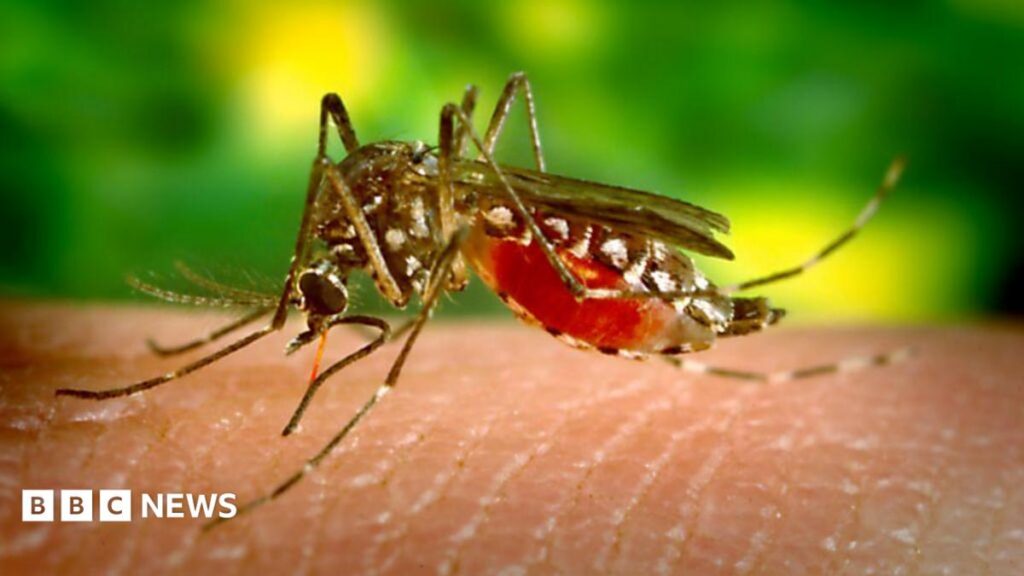
Dengue fever is caused by the dengue virus, which is spread to humans through the bite of infected Aedes mosquitoes. These mosquitoes thrive in stagnant water found in everyday objects such as pails, flowerpot plates, and vases. Notably, Aedes mosquitoes are most active during daylight hours, particularly just after sunrise and around sunset.
Many individuals infected with dengue do not exhibit symptoms. However, for those who do, common signs include a sudden high fever, severe headaches, muscle and joint pain, nausea, and rashes. Typically, these symptoms resolve within one to two weeks.
Severe dengue cases can lead to dangerous complications such as internal bleeding and even death. Importantly, there are four distinct strains of the dengue virus. Infection by one strain provides immunity only to that strain, meaning subsequent infections by different strains can increase the risk of severe disease.
Sri Lanka’s Dengue Crisis: Scale and Response
Sri Lanka is currently battling its worst dengue outbreak in nearly ten years. In 2024 alone, the virus has infected over 77,000 people and claimed 56 lives. The surge in cases is particularly alarming in urban centers like Colombo, where dense populations and environmental factors create ideal conditions for mosquito breeding.
Authorities attribute the outbreak partly to a cyclone that struck the island in December 2023, scattering debris that has since become breeding grounds for mosquitoes. To combat the spread, the government has deployed military drones to scan rooftops and other potential mosquito habitats for stagnant water pools. Additionally, police officers conduct physical inspections of homes to identify and eliminate breeding sites.
Efforts so far have led to the clearance of nearly 11,000 mosquito breeding sites and fines imposed on over 4,000 premises harboring these sites. Hospitals have expanded capacity and extended working hours to manage the influx of patients, although healthcare workers are reportedly stretched to their limits.
Due to the high number of severe cases, medical professionals advise patients with mild symptoms to recover at home to preserve hospital resources. Meanwhile, discussions continue around the potential use of dengue vaccines, though developing an effective vaccine remains challenging given the virus’s four strains.
Global Trends: Why Dengue Is on the Rise Worldwide
Dengue fever is endemic to tropical and subtropical regions where warm temperatures and high humidity favor the proliferation of Aedes mosquitoes. Traditionally concentrated in South and Southeast Asia, Latin America, and the Caribbean, the disease is now expanding into new territories, including parts of Europe and the Mediterranean.
The World Health Organization (WHO) reports a dramatic increase in dengue cases globally—from approximately 500,000 in 2000 to an estimated 14.4 million in 2024. This surge is linked to rising global temperatures and changing weather patterns, such as longer and wetter monsoon seasons, which extend mosquito breeding periods.
Nearly half of the world’s population is now at risk of dengue infection, making it one of the top ten global health threats. The combination of climate change, urbanization, and increased human mobility contributes to the spread and intensification of dengue outbreaks.
Preventive Measures and Innovative Control Strategies
Controlling dengue largely depends on reducing mosquito populations by eliminating their breeding sites. Simple actions like emptying stagnant water from flowerpot plates, overturning unused containers, and breaking up hardened soil can disrupt the mosquito life cycle.
In addition to traditional methods, some governments have adopted biological control techniques. One such approach involves introducing Wolbachia bacteria into mosquito populations. Wolbachia, naturally found in many insect species, reduces mosquitoes’ ability to transmit the dengue virus without necessarily killing them. This method offers a promising complement to chemical insecticides and environmental management.
Sri Lanka’s use of military drones to identify hard-to-reach mosquito breeding sites represents a novel application of technology in vector control. By enabling rapid and precise surveillance, drones help authorities target interventions more effectively and efficiently.
What this means
Sri Lanka’s current dengue fever outbreak underscores the persistent and evolving challenge posed by mosquito-borne diseases in a warming world. The country’s integration of drone technology into public health efforts exemplifies how innovation can augment traditional vector control methods. However, the global rise of dengue calls for sustained international attention, combining environmental management, technological advances, and research into effective vaccines. Public awareness and community participation remain critical to reducing mosquito breeding sites and curbing the spread of this potentially deadly disease.
Editor’s note: The following is AI-generated commentary and context on this topic, not original reporting.
Innovating Against Mosquito-Borne Disease
Dengue outbreaks tend to surge during warmer, wetter periods that favour mosquito breeding, and health authorities in affected countries have increasingly turned to technology to supplement traditional control methods such as fogging, larvicide application, and public awareness campaigns. Drones equipped with thermal or optical sensors can identify standing water and breeding sites across large or difficult-to-access areas far more efficiently than door-to-door inspection teams, allowing health workers to target interventions with greater precision.
Public health responses to dengue also depend heavily on community cooperation, since much mosquito breeding occurs on private property in items as simple as discarded containers, blocked gutters, or uncovered water storage. Combining aerial surveillance with community education campaigns is intended to close the gap between what officials can detect and what residents can address themselves, though sustained funding and coordination across health, environmental, and local government agencies remain necessary for such campaigns to have a lasting impact.
Thousands of young protesters in Delhi continue to demand education reforms and the resignation of Education Minister Dharmendra Pradhan after a police crackdown. The…
Facing a looming financial collapse, Thames Water’s main lenders have offered the UK government a ‘golden share’ and increased local authority involvement to avoid…
Facing record-breaking temperatures and severe drought, Thames Water has introduced a hosepipe ban impacting over 10 million customers across parts of southern England to…