Singapore Imposes Fine on French Teen for Viral Vending Machine Straw-Licking Incident
In a recent incident that captured widespread attention in Singapore and beyond, a 19-year-old French student was fined for a public nuisance offense after posting a video showing him licking a straw from a vending machine and placing it back. The act, which many found disturbing, prompted a legal response reflecting Singapore’s strict public hygiene standards and societal expectations. This article explores the details of the case, the legal framework surrounding public nuisance in Singapore, and the broader implications for social conduct in public spaces.
Singapore Imposes Fine on French Teen for Viral Vending Machine Straw-Licking Incident
Details of the Incident and Legal Outcome
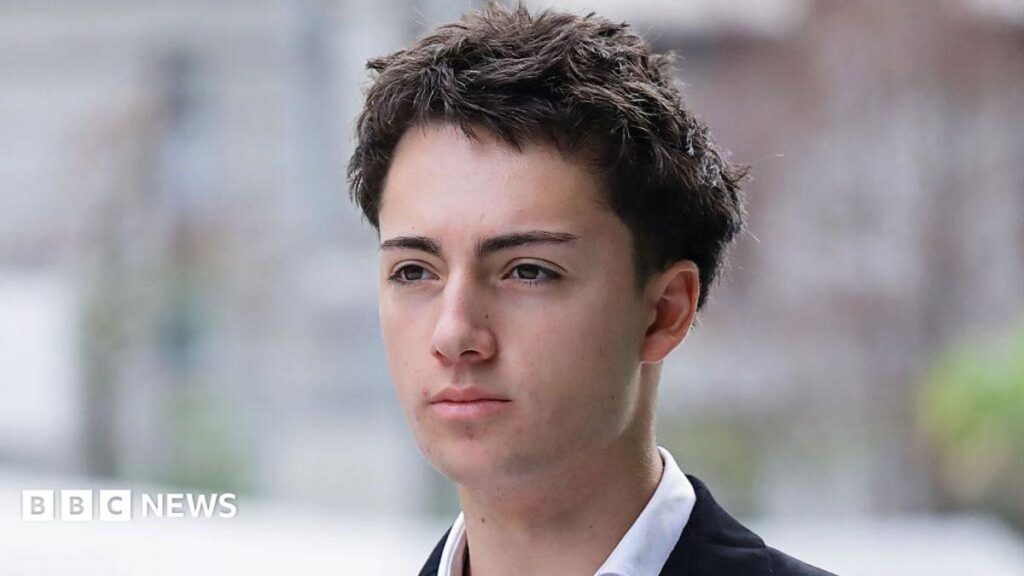
Didier Gaspard Owen Maximilien, a 19-year-old French student studying in Singapore, became the center of controversy after he posted a video on Instagram showing himself licking a straw from an orange juice vending machine and then returning it to the dispenser. The video was captioned “city is not safe,” which further fueled public backlash.
The incident took place on March 12 at an iJooz vending machine located in Goldhill Centre, an affluent neighborhood in Singapore. iJooz machines are well-known for serving freshly squeezed orange juice at S$2 per cup and are commonly found in shopping districts, train stations, and residential areas.
Following the viral spread of the video, local community pages and news outlets picked up the story, leading to widespread disgust and concern over hygiene and public safety. The vending machine operator, iJooz, responded by replacing all 500 straws in the dispenser to ensure customer safety.
Maximilien was charged with one count of public nuisance, an offense that in Singapore can carry penalties of up to S$2,000 in fines, three months in jail, or both. Both prosecution and defense agreed on a fine, and the court imposed a S$600 (approximately $465 or £348) penalty on Maximilien.
His defense lawyer stated that Maximilien was truly sorry for the trouble caused and acknowledged that what he initially considered a playful act had serious consequences.
Understanding Public Nuisance Laws in Singapore
Public nuisance is a legal offense in Singapore designed to protect the community from acts that disturb public order, safety, or health. The law covers a broad range of behaviors that may cause inconvenience or harm to the public.
In this case, licking a straw and returning it to a public dispenser was deemed a public nuisance because it posed a health risk to other consumers, potentially spreading germs or diseases. Singapore’s strict hygiene standards and emphasis on public cleanliness mean that such acts are taken seriously.
The penalties for public nuisance offenses vary depending on the severity and context but can include fines, imprisonment, or both. The maximum fine is S$2,000, and offenders may face jail terms of up to three months.
The decision to impose a fine rather than jail time in Maximilien’s case reflects the court’s view that the act, while inappropriate and harmful, did not warrant incarceration. It also underscores the importance of proportionality in sentencing.
Public Reaction and Social Media Impact
The video posted by Maximilien quickly went viral, eliciting strong reactions from the public. Many expressed disgust and concern over the potential health risks posed by his actions. The incident sparked discussions on social media about hygiene, respect for public property, and responsible behavior in shared spaces.
The caption “city is not safe” was seen by some as provocative, potentially trivializing the seriousness of his actions and the impact on public health. This further intensified the backlash.
The viral nature of the video demonstrates how social media can amplify incidents that might otherwise remain localized. It also highlights the role of online platforms in holding individuals accountable for public behavior.
Community pages and local news outlets played a significant role in disseminating the story, reflecting the public’s interest in maintaining high standards of hygiene and safety in Singapore.
Corporate Response and Public Health Considerations
iJooz, the company operating the vending machine, acted promptly by replacing all 500 straws in the dispenser after the incident came to light. This move was aimed at reassuring customers about the safety and hygiene of their products.
The swift response underscores the importance companies place on maintaining consumer trust, especially in a market like Singapore where public health standards are stringent.
This incident also serves as a reminder of the vulnerability of public food and beverage dispensers to contamination and the need for robust hygiene protocols.
Consumers and operators alike are reminded to be vigilant about public health, especially in shared spaces where contamination can have wider implications.
Cultural and Legal Implications for Visitors and Residents
Singapore is known for its strict laws and regulations aimed at maintaining public order and cleanliness. Visitors and residents are expected to adhere to these standards, which can sometimes be stricter than those in other countries.
The case of Maximilien highlights the importance of understanding and respecting local laws and social norms, particularly in matters related to public health and safety.
For international students and expatriates, this incident serves as a cautionary example of how actions perceived as minor or playful elsewhere can have serious legal and social consequences in Singapore.
It also reflects Singapore’s broader approach to public behavior, emphasizing collective responsibility and respect for the community.
What this means
The viral straw-licking incident involving a French student in Singapore underscores the city-state’s stringent approach to public hygiene and legal accountability. While the act may have been intended as a prank, its consequences were serious, reflecting the high standards Singapore maintains for public conduct. The case serves as a reminder for both locals and visitors to be mindful of their actions in shared spaces and to respect the laws designed to protect community health and safety. As social media continues to amplify such incidents, the balance between playful expression and responsible behavior remains a critical consideration in maintaining public trust and order.
Thousands of young protesters in Delhi continue to demand education reforms and the resignation of Education Minister Dharmendra Pradhan after a police crackdown. The…
Facing a looming financial collapse, Thames Water’s main lenders have offered the UK government a ‘golden share’ and increased local authority involvement to avoid…
Facing record-breaking temperatures and severe drought, Thames Water has introduced a hosepipe ban impacting over 10 million customers across parts of southern England to…