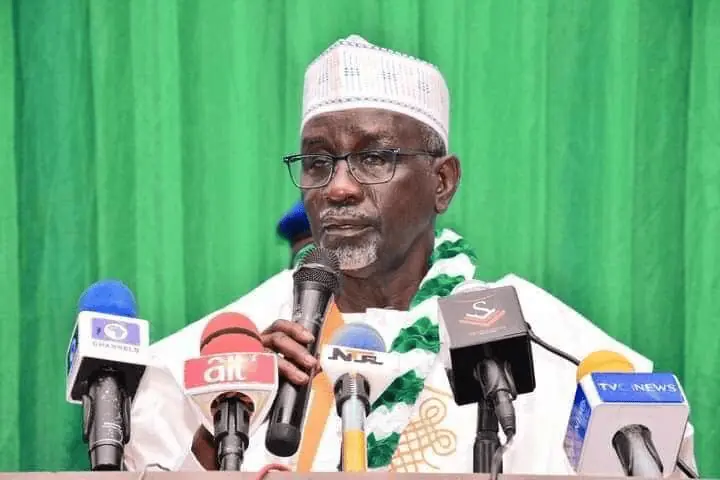
Nigeria wants community-driven police, now not suppose police – Ancient Kano Governor, Ibrahim Shekarau
As Nigeria grapples with growing security challenges, debates around the optimal policing model have intensified. The recent proposition to establish a special police force has sparked discussions nationwide. However, former Kano State Governor and current Minister of Education, Ibrahim Shekarau, has voiced strong opposition to this approach. Drawing on his experience with community-based security structures like the Hisbah Guards in Kano, Shekarau advocates for a community-driven policing framework. This article explores his perspectives, the rationale behind community policing, and how such a model could reshape Nigeria's security landscape.
The Current Security Landscape in Nigeria
Nigeria's security situation remains complex and multifaceted, with rising incidents of crime, insurgency, and civil unrest across various regions. The country’s police force, though established, struggles with limited manpower, inadequate resources, and sometimes, a lack of public trust. These challenges have led to calls for reforms and alternative security approaches to ensure effective law enforcement and public safety.
One notable proposal gaining traction is the creation of a specialized police unit designed to tackle specific security concerns. However, opponents argue that such a force may be vulnerable to political manipulation and may not address the root causes of insecurity. Instead, they propose models that emphasize community involvement and intelligence-led policing as more sustainable solutions.
Against this backdrop, the debate about the best policing strategy is not just about numbers or weaponry but about trust, cooperation, and accountability between law enforcement agencies and the communities they serve. This shift in perspective is crucial to fostering long-term peace and security in Nigeria.
Ibrahim Shekarau’s Opposition to Special Police Forces
Ibrahim Shekarau, a seasoned politician and former governor of Kano State, has openly criticized the idea of establishing a special police force in Nigeria. Speaking at the Federal College of Forestry Technology in Akure (FUTA), Shekarau emphasized that creating such a force could lead to more harm than good, especially if it becomes entangled with political or religious biases.
He argues that special police units, often recruited and controlled by political elites, risk becoming instruments of intimidation rather than protectors of public safety. This concern stems from Nigeria’s history where law enforcement agencies have occasionally been misused to suppress dissent or favor certain interest groups, undermining justice and fairness.
Shekarau’s viewpoint highlights the dangers of centralizing security powers without adequate community oversight. Instead, he proposes a policing model rooted in local knowledge and community participation, which he believes will foster transparency, reduce abuse of power, and build stronger relationships between citizens and law enforcement.
The Success of the Hisbah Model in Kano State
Kano State’s Hisbah Guards offer a compelling example of community-driven policing in action. During his tenure as governor, Shekarau supported the establishment and regulation of the Hisbah system, which operates with the backing of local elders and the government. This force comprises respected young men nominated by community leaders and trained to maintain order and enforce local laws.
The Hisbah Guards are distinct from conventional police in that they rely heavily on community intelligence and cooperation. Their presence has reportedly led to significant reductions in crime and social vices in Kano, including drug abuse and public disturbances. The community’s trust in the Hisbah system often surpasses their trust in formal police stations or courts.
Shekarau notes that the success of the Hisbah model is rooted in its community-centric approach, supported by government funding, legal frameworks, and clear mandates. This balance ensures accountability while empowering local actors to take ownership of their security needs.
Community Policing: Building Trust and Cooperation
At the heart of Shekarau’s advocacy is the principle that effective policing must be rooted in community trust and mutual cooperation. Community policing fosters direct engagement between law enforcement and residents, creating channels for dialogue, intelligence sharing, and collaborative problem-solving.
This approach contrasts sharply with top-down enforcement strategies that often alienate communities and breed suspicion. When citizens feel involved and respected, they are more likely to report crimes, assist investigations, and support law enforcement initiatives, enhancing overall security outcomes.
Moreover, community policing can adapt to the unique social and cultural contexts of different Nigerian communities. By leveraging local knowledge and resources, it can address specific challenges effectively while promoting social cohesion and respect for the rule of law.
Challenges Facing Community-Driven Policing in Nigeria
Despite its advantages, implementing community-driven policing in Nigeria is not without challenges. One significant hurdle is the lack of consistent government support, including funding, training, and legal backing. Without these, community policing initiatives can become fragmented or vulnerable to corruption and inefficiency.
Another challenge relates to the diversity of Nigeria’s communities, which may have varying perceptions of law enforcement and justice. Building trust in areas affected by conflict or historical grievances requires sustained engagement and sensitivity to local dynamics.
Furthermore, integrating community policing with existing national security frameworks requires clear coordination to avoid overlaps, jurisdictional conflicts, and gaps in service delivery. Addressing these challenges demands commitment from all levels of government, civil society, and community stakeholders.
The Role of Intelligence Gathering in Effective Policing
Shekarau emphasizes that intelligence gathering should be the cornerstone of Nigeria’s security strategy rather than an overreliance on advanced weaponry or large police forces. Collecting timely and accurate information enables proactive responses to security threats and prevents escalation.
Community policing inherently supports intelligence gathering by establishing trust and open communication channels between residents and security personnel. Locals are often the first to notice suspicious activities or emerging threats, making their input invaluable for law enforcement.
Investing in intelligence capabilities, including training, technology, and community engagement, can significantly enhance Nigeria’s ability to maintain peace and order. This approach aligns with global best practices where intelligence-led policing has proven effective in reducing crime and terrorism.
Government Support and Legal Frameworks for Community Policing
For community-driven policing to flourish, robust government support is essential. This includes providing adequate funding for personnel allowances, equipment, training, and operational logistics. Without these resources, community policing groups may struggle to sustain their activities or maintain professionalism.
Equally important are legal frameworks that define the roles, responsibilities, and limits of community policing bodies. Such laws help prevent abuses, clarify accountability, and integrate these groups into the broader security architecture of the country.
Shekarau’s experience in Kano demonstrates how legislation and government involvement can empower community policing forces like the Hisbah Guards to operate effectively and harmoniously alongside conventional police and military units.
The Future of Policing in Nigeria: A Community-Centric Approach
Looking ahead, Nigeria’s security challenges call for innovative and inclusive approaches to policing. The community-driven model championed by Ibrahim Shekarau offers a viable path forward, emphasizing local ownership, intelligence, and government backing.
By nurturing trust and cooperation between citizens and law enforcement, Nigeria can build resilient security systems that are responsive, accountable, and effective. This approach also reduces the risk of politicization and abuse associated with centralized special police forces.
Ultimately, the success of community policing depends on sustained commitment from government, communities, and security agencies alike. With the right policies, resources, and collaboration, Nigeria can transform its policing landscape to better protect and serve its diverse population.
Conclusion
Nigeria’s quest for improved security demands a paradigm shift from conventional, centralized policing to community-driven models. Former Kano Governor Ibrahim Shekarau’s insights underscore the value of empowering local communities through structured, well-supported policing frameworks like the Hisbah Guards. By prioritizing intelligence gathering, fostering trust, and ensuring government backing, Nigeria can build a policing system that is more responsive, accountable, and effective. This community-centric approach offers a promising pathway to addressing the nation’s diverse security challenges while promoting social harmony and justice.
Recent advances in machine perfusion technology are not only preserving donated livers but also making them biologically younger at a molecular level. This breakthrough…
What happens when human imagination, artificial intelligence, art and technology come together? From September 1 to 6, Samsung Electronics presented a special exhibition themed…