Falcon 9 launches NASA TRACERS space science mission

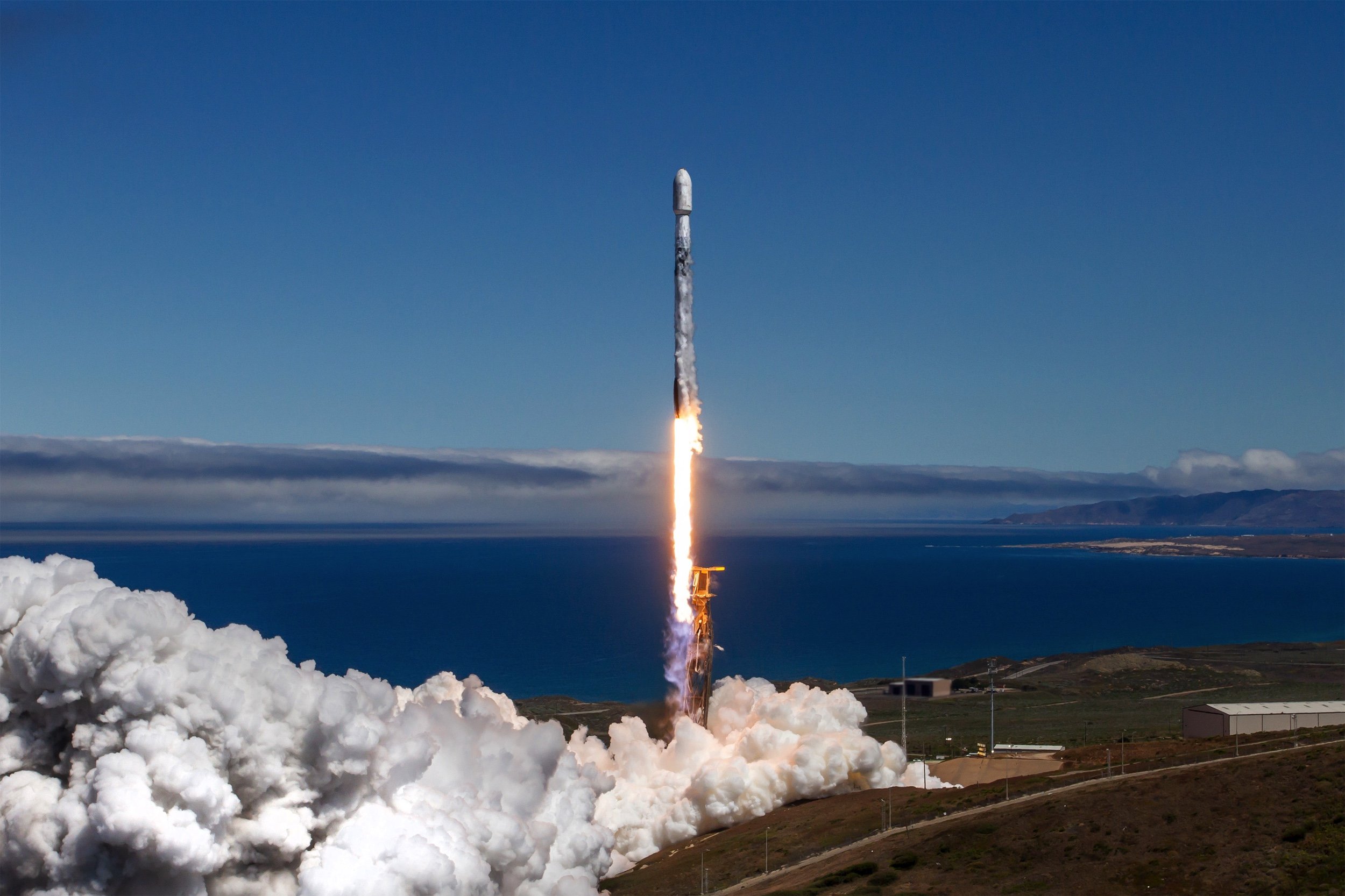

VANDENBERG SPACE FORCE BASE, California – 25th July 2025 – A SpaceX Falcon 9 rocket successfully launched NASA’s Tandem Reconnection and Cusp Electrodynamics Reconnaissance Satellites (TRACERS) mission from Vandenberg Space Force Base in California on Wednesday, July 23rd, marking a significant step forward in understanding the complex interplay between the Sun and Earth’s magnetic field.
The twin TRACERS spacecraft, designed to study magnetic reconnection, lifted off at 11:13 a.m. PDT (7:13 p.m. BST) from Space Launch Complex 4 East. Following a swift ascent, the Falcon 9’s first-stage booster executed a flawless landing back at Landing Zone 4 at Vandenberg, producing sonic booms audible across parts of Southern California, a routine feature of SpaceX’s reusable rocket technology.
The TRACERS mission is set to revolutionise our understanding of space weather, a phenomenon driven by the constant stream of charged particles from the Sun, known as solar wind. When this solar wind interacts with Earth’s protective magnetic shield, the magnetosphere, it can trigger magnetic reconnection – an explosive process where magnetic field lines snap and reconfigure, releasing vast amounts of energy and flinging particles at high speeds.
While these events are responsible for the breathtaking auroras, they also pose a potential threat to our increasingly space-dependent infrastructure, including GPS systems, communication satellites, and even terrestrial power grids.
“TRACERS aims to tackle fundamental questions about magnetic reconnection, the fundamental process that couples mass, energy, and momentum from the solar wind into near-Earth space and drives space weather,” explained David Miles, TRACERS principal investigator at the University of Iowa.
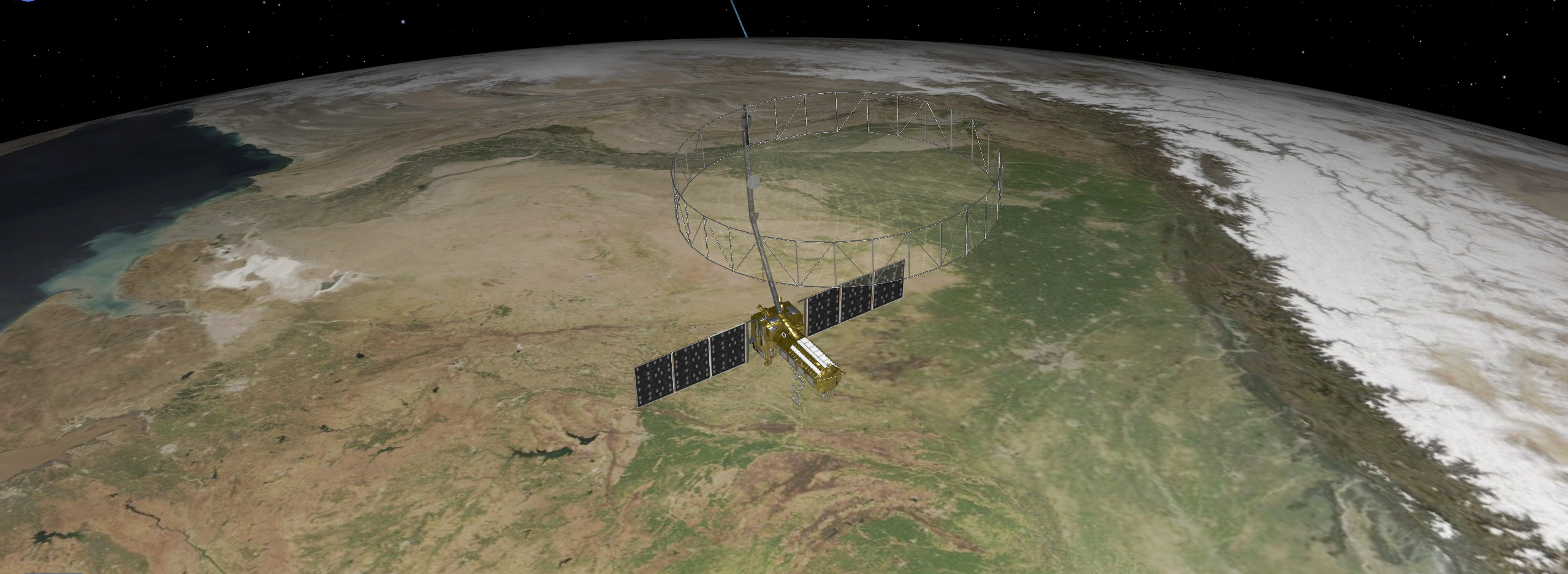
The twin satellites will orbit Earth in tandem, flying sometimes just seconds apart, enabling them to capture near-simultaneous measurements of these energetic events. Their primary focus will be the Earth’s polar cusp region, funnel-like openings in the magnetic field where the solar wind has a direct path into our atmosphere.
Over its year-long prime mission, TRACERS is expected to gather data from over 3,000 magnetic reconnection encounters. This wealth of data will allow scientists to observe how rapidly reconnection changes and evolves, providing a dynamic, frame-by-frame view of how Earth’s magnetic shield reacts to the solar wind’s impact.
The insights gained from TRACERS are crucial for improving space weather forecasting and developing more robust protection for vital technology both in orbit and on Earth. As Joe Westlake, director of NASA’s heliophysics division, noted, “This is going to help us keep our way of life safe here on Earth.”
In addition to the TRACERS twins, the Falcon 9 also carried three other NASA-funded small satellites: Athena EPIC (Economical Payload Integration Cost), PExT (Polylingual Experimental Terminal), and REAL (Relativistic Electron Atmospheric Loss). These payloads will demonstrate innovative technologies and gather further scientific data, contributing to a holistic understanding of our space environment.
The successful launch, after a minor 24-hour delay due to airspace concerns, marks the 90th Falcon 9 launch of 2025 and underscores the continued advancements in space exploration and our pursuit of a deeper understanding of the universe that surrounds us.