Eminent officials say NASA facilities some of the “worst” they’ve ever seen
NASA, the United States’ premier space agency, has long been celebrated for pioneering space exploration and scientific discovery. However, recent evaluations by a panel of eminent experts have painted a troubling picture of NASA’s physical infrastructure. The agency’s facilities, many of which are decades old, are deteriorating rapidly, with a maintenance backlog reaching billions of dollars. These findings raise concerns about NASA’s ability to support its increasingly complex missions and maintain its edge in a competitive space industry. This article delves into the details of the report, examining the causes, consequences, and potential solutions to NASA’s infrastructure crisis.
The Stark Reality of NASA’s Aging Facilities
NASA’s infrastructure is a critical backbone for its space exploration missions, encompassing everything from laboratories and testing chambers to mission control centers. Unfortunately, about 83% of NASA’s facilities have outlived their original design lifespans, leading to significant deterioration. These aging structures are increasingly unable to meet the demands of modern space technology development, risking mission delays and safety hazards.
An independent panel, chaired by Norm Augustine, a veteran aerospace leader, reported that NASA faces a staggering $3.3 billion backlog in facility maintenance. This backlog exists alongside a much smaller annual maintenance budget of approximately $250 million, highlighting a severe funding mismatch. Without substantial budget increases, NASA risks further degradation of its infrastructure.
The panel’s inspection tours uncovered some of the worst facilities many of its members had ever seen, with many buildings rated “marginal to poor.” Such conditions are unacceptable by industrial standards, especially for an agency tasked with pioneering cutting-edge space missions. The report emphasizes that NASA’s infrastructure issues are not isolated but systemic across multiple centers.
Budget Priorities: Missions vs. Maintenance
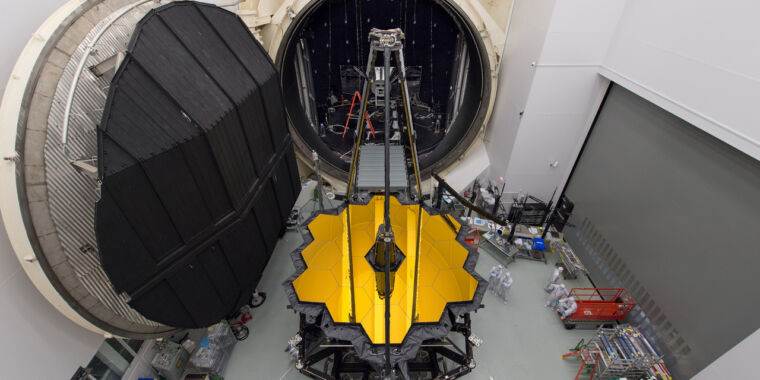
One of the primary challenges NASA faces is the prioritization of funding. High-profile missions, such as the Artemis program aimed at returning humans to the Moon and the James Webb Space Telescope exploring the cosmos, capture public attention and political support. Consequently, these missions receive significant funding, often at the expense of facility upkeep.
Since 2010, NASA’s mission budget has increased by 8%, while funding for mission support, which includes infrastructure maintenance, has decreased by 33%. This disparity means that each dollar allocated to mission support must now cover 50% more mission activity than it did just over a decade ago, stretching resources thin and exacerbating facility decay.
Congress and the White House often favor funding new missions because they generate headlines and jobs, making infrastructure maintenance a less attractive investment. However, neglecting physical assets jeopardizes NASA’s long-term capabilities and could undermine mission success, a risk that the agency and its stakeholders must urgently address.
Impact on NASA’s Most Ambitious Missions
NASA’s current portfolio includes some of the most technically complex missions in its history, such as the Artemis lunar exploration program and the deployment of advanced space telescopes. These endeavors require state-of-the-art facilities for astronaut training, spacecraft assembly, and testing. Deteriorating infrastructure threatens to delay or complicate these critical projects.
The Johnson Space Center in Houston, home to astronaut training and Mission Control for the International Space Station and Artemis missions, was identified as having the worst average facility condition score. This is particularly concerning given its central role in human spaceflight operations.
Similarly, facilities at other NASA centers, including those responsible for robotic planetary exploration and rocket engine testing, face challenges that could hinder mission timelines. The inability to adequately maintain or upgrade these centers puts at risk NASA’s ability to meet ambitious exploration goals and maintain leadership in space technology.
The Risk of Losing Engineering Expertise to Commercial Competitors
The report also warns that NASA’s infrastructure woes might contribute to a loss of engineering and technical talent to the burgeoning commercial space industry. As facilities degrade, the working environment becomes less attractive, potentially driving skilled personnel to private companies with better resources and modern infrastructure.
This talent drain could diminish NASA’s internal capabilities and innovation potential, weakening the agency’s role as a leader in space exploration. The commercial sector’s rapid growth and investment in new technologies make it a formidable competitor for engineering expertise.
Retaining and attracting top talent requires not only competitive compensation but also reliable, world-class facilities that support cutting-edge research and development. NASA’s failure to invest adequately in infrastructure risks eroding its workforce and diminishing its unique contributions to space science.
A Short-Sighted Technology Development Roadmap
Beyond physical infrastructure, the panel criticized NASA’s technology development strategy as lacking long-term vision. The agency’s focus tends to be on near-term mission objectives rather than sustained investments in foundational technologies and facilities.
This approach risks creating gaps in NASA’s capabilities, as aging infrastructure and outdated technologies limit the agency’s ability to innovate and adapt to emerging challenges. A robust, forward-looking roadmap is essential to ensure that NASA remains at the forefront of space exploration over the coming decades.
The report calls for a balanced strategy that harmonizes mission-driven technology development with investments in infrastructure modernization, workforce development, and long-term research. Such a comprehensive plan would better position NASA to meet future challenges and capitalize on new opportunities.
Congressional and Administrative Challenges
Securing increased funding for NASA’s infrastructure is complicated by political and budgetary dynamics. Congressional committees and the White House often prioritize visible, headline-grabbing projects over the less glamorous task of facility maintenance, which can be perceived as routine or ancillary.
Additionally, NASA’s overall budget constraints mean that any increase for infrastructure must compete with mission funding and other agency priorities, creating a zero-sum environment. This dynamic perpetuates the cycle of deferred maintenance and growing backlogs.
To break this cycle, NASA needs strong advocacy from policymakers who understand the critical link between infrastructure health and mission success. Transparent communication about facility conditions and the risks of neglect is essential to garner sustained investment and political will.
Potential Solutions and Future Outlook
Addressing NASA’s infrastructure crisis requires a multi-pronged approach. First, a significant increase in the annual maintenance budget—potentially an additional $600 million per year over the next decade—is necessary to eliminate the backlog and bring facilities up to standard.
Second, NASA must develop and implement a strategic infrastructure modernization plan that prioritizes critical facilities and integrates new technologies to enhance efficiency and safety. This plan should be aligned with the agency’s long-term mission goals and workforce needs.
Finally, fostering partnerships with commercial space companies and leveraging innovative funding mechanisms could help supplement traditional budgets. Such collaboration might include shared facilities, joint technology development, and public-private investment models that benefit both NASA and the broader space industry.
Conclusion
NASA stands at a pivotal moment in its storied history, tasked with achieving some of the most complex and ambitious space missions ever conceived. Yet, the agency’s aging and deteriorating facilities pose a significant threat to these goals. The recent independent panel’s findings serve as a wake-up call, highlighting the urgent need for substantial investment in infrastructure maintenance and modernization. Without decisive action, NASA risks not only mission delays but also the erosion of its workforce and technological leadership. By adopting a balanced approach that values both cutting-edge exploration and the foundational support structures, NASA can sustain its legacy and continue to push the boundaries of human knowledge and capability in space.
Recent advances in machine perfusion technology are not only preserving donated livers but also making them biologically younger at a molecular level. This breakthrough…
What happens when human imagination, artificial intelligence, art and technology come together? From September 1 to 6, Samsung Electronics presented a special exhibition themed…