
Science & Technology
MAX Power Engages Global Technology Leader Kyndryl to Build Commercialization Strategy for MAXX LEMI
Author of the article:
TAMFIS NIG LTDRC 8067447CAC ACTIVEFinima, Bonny Island, Rivers State

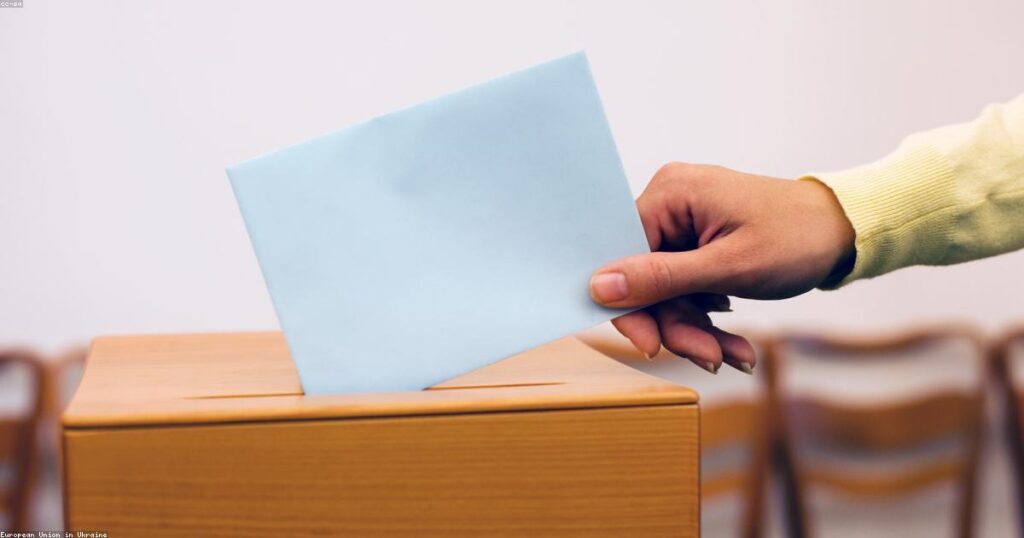
The 2025 Election Committee Subsector By-elections marked a significant event in Hong Kong's political calendar, drawing attention to voter engagement across various subsectors. With a total electorate of 3,631 and a remarkable cumulative turnout of approximately 95.46%, these by-elections provide valuable insights into the political participation trends within the region. This article delves deeply into the voter turnout statistics, explores sector-specific dynamics, analyzes contributing factors, and discusses the broader implications for democratic processes and governance in Hong Kong.
The 2025 Election Committee Subsector By-elections were held to fill vacancies in several subsectors responsible for electing members to Hong Kong’s Election Committee. These subsectors represent various professional and social groups across four major sectors, reflecting a broad spectrum of the community. The by-elections are crucial in maintaining the functional representation within the committee, which plays an instrumental role in selecting the Chief Executive.
A total of 3,631 eligible voters were registered across the subsectors involved in the by-elections. The process was closely monitored to ensure transparency and fairness, with voting conducted over a designated period culminating on September 7, 2025. Given the political significance of these elections, voter turnout serves as a critical metric for assessing public engagement and confidence in the electoral system.
This election cycle garnered considerable attention due to its high turnout rates, which surpassed expectations in many sectors. Understanding the distribution of voter participation across different subsectors offers insights into the varying degrees of political mobilization and interest among Hong Kong’s diverse professional and community groups.
The voter turnout for the 2025 by-elections was notably high, with a cumulative turnout rate of approximately 95.46%. This figure reflects the combined participation of voters from all subsectors involved. Such a strong turnout indicates a robust engagement level within the Election Committee framework, underscoring the importance attributed to these by-elections by the electorate.
Breaking down the statistics, the First Sector’s Commercial (Third) subsector achieved a perfect turnout rate of 100%, with all 106 eligible voters casting their ballots. This subsector’s full participation highlights a highly mobilized and engaged electorate, possibly driven by the sector’s vested interests in policy outcomes.
Similarly, the Second Sector’s Technology and Innovation subsector also recorded a 100% turnout, with all 49 voters participating. In contrast, the Architectural, Surveying, Planning and Landscape subsector in the same sector saw a turnout rate of 85.19%, with 44 out of 54 voters casting ballots. The Third Sector’s Labour subsector demonstrated a strong turnout of 88.15%, with 59 out of 67 voters participating.
The Fourth Sector, encompassing representatives of members of Area Committees, District Fight Crime Committees, and District Fire Safety Committees, exhibited impressive turnout rates as well. The Hong Kong and Kowloon representatives in this sector had a turnout rate of 97.34%, with 1,465 of 1,505 eligible voters participating.
The New Territories representatives in the same sector recorded a similarly high turnout rate of 97.02%, with 1,205 out of 1,242 voters casting ballots. These figures underscore the strong civic engagement among grassroots community representatives, reflecting their active involvement in local governance and public safety issues.
Such high participation rates in the Fourth Sector suggest that community-level concerns and the desire to influence district-level policy decisions serve as powerful motivators for voter turnout. This trend contrasts with some professional subsectors, where turnout variability may be influenced by different factors such as professional commitments or political interest.
Several factors contributed to the elevated voter turnout in the 2025 Election Committee Subsector By-elections. Firstly, the significance of the Election Committee in selecting the Chief Executive heightened voter awareness and motivation, encouraging participation across subsectors.
Secondly, targeted voter education campaigns and outreach efforts by subsector organizations helped inform and engage eligible voters about the importance of their vote. Such initiatives likely reduced voter apathy and increased turnout by emphasizing the impact of these by-elections on governance and policy formulation.
Thirdly, the streamlined voting process, including accessible polling stations and clear voting instructions, facilitated voter participation. Ensuring convenience and minimizing barriers to voting are critical components in achieving high turnout rates, as evidenced by the smooth conduct of these by-elections.
Comparing the 2025 by-election turnout with previous Election Committee subsector elections reveals a positive trend in voter engagement. Historically, some subsectors have experienced fluctuating turnout rates due to varying political climates and voter sentiment.
The near-universal turnout in certain subsectors this year marks a significant improvement, possibly reflecting increased political stability and confidence in the electoral process. This shift may also indicate successful efforts by electoral authorities and subsector bodies to encourage participation.
However, it is important to recognize that turnout rates can be influenced by the number of candidates, the competitiveness of the races, and the perceived stakes of the election. These contextual factors should be considered when analyzing trends and projecting future participation levels.
The robust voter turnout in the 2025 by-elections signals strong engagement among key professional and community groups involved in Hong Kong’s political framework. This engagement is essential for the legitimacy and representativeness of the Election Committee, which plays a pivotal role in the city’s governance.
High participation rates may lead to greater accountability among elected members, as they are chosen by an actively involved electorate. This dynamic can foster more responsive and transparent decision-making within the Election Committee and, by extension, in the selection of the Chief Executive.
Moreover, strong voter turnout can enhance public confidence in the electoral system, mitigating concerns about political disengagement or disenfranchisement. It also sets a positive precedent for future elections, encouraging continued civic participation and democratic development.
Despite the overall high turnout, some subsectors exhibited lower participation rates, such as the Architectural, Surveying, Planning and Landscape subsector, which recorded an 85.19% turnout. Identifying and addressing the reasons behind such disparities remains an important task for electoral organizers.
Potential challenges include voter fatigue, lack of awareness about specific subsector roles, and competing professional or personal commitments that may hinder participation. Tailored outreach and engagement strategies could help mitigate these issues in future elections.
Furthermore, ensuring transparency and maintaining public trust in the electoral process are ongoing priorities. Continuous improvements in voter education, accessibility, and communication can sustain and enhance voter turnout across all subsectors.
Looking ahead, maintaining high voter turnout in Election Committee subsector elections will require sustained efforts from both electoral authorities and subsector organizations. Emphasizing the significance of these elections in shaping Hong Kong’s leadership and policies is crucial for motivating voters.
Innovative approaches such as digital engagement platforms, targeted communication campaigns, and convenient voting methods could further enhance accessibility and participation. Leveraging technology to streamline the voting process may appeal especially to younger and tech-savvy voters.
Finally, fostering a culture of civic responsibility and political awareness within subsectors will be vital. Encouraging ongoing dialogue and feedback between elected members and their constituencies can strengthen the democratic fabric of Hong Kong’s election system.
The 2025 Election Committee Subsector By-elections demonstrated a commendable level of voter engagement across Hong Kong’s diverse subsectors, with an overall turnout surpassing 95%. This high participation reflects the electorate’s recognition of the importance of their role in shaping governance through the Election Committee. While some subsectors exhibited slightly lower turnout rates, the general trend underscores a healthy and vibrant electoral environment. Moving forward, continuous efforts to enhance voter education, accessibility, and engagement will be essential to maintain and build upon this positive momentum, ensuring that Hong Kong’s political processes remain inclusive and representative.
Originally reported by info.gov.hk. Adapted for our readers.
Keep reading
Science & Technology
Author of the article:
Science & Technology
The National Agency for Science and Engineering Infrastructure (NASENI) on Friday 4th September 2026, marked three year...
Science & Technology
In a significant move towards urban renewal, the Andhra Pradesh government has launched a ₹40 crore slum...
TAMFIS NIG LTD
Electrical and instrumentation engineering, bid preparation and consulting, IT and software.