Dutch wave energy company will get subsidy for desirable-scale technology discovering out
As the global push for renewable energy intensifies, innovative technologies that harness the power of natural resources are gaining momentum. Among these, wave energy stands out for its vast potential to generate clean electricity. Dutch Wave Vitality, a Netherlands-based company specializing in wave energy conversion, has recently secured a substantial subsidy to conduct large-scale pilot testing of its technology in the North Sea near Scheveningen. This article explores the background, technology, funding details, collaborative efforts, and the broader implications of this development for the marine energy sector and the energy transition in the region.
Overview of Dutch Wave Vitality and Its Mission
Dutch Wave Vitality is a pioneering company focused on harnessing wave energy to produce clean electricity and hydrogen. The firm’s core mission revolves around developing and deploying technologies that convert the kinetic energy of ocean waves into usable power, contributing to the global transition toward sustainable energy sources.
Founded with a vision to reduce carbon emissions and promote renewable energy, Dutch Wave Vitality leverages innovative engineering solutions tailored to the challenging marine environment. Their approach emphasizes scalability, reliability, and environmental compatibility to ensure practical deployment along the Dutch coastline and beyond.
The company’s recent advancement involves developing a cylindrical float system designed to capture wave motion efficiently. This technology aligns with broader European energy goals, supporting the reduction of fossil fuel dependence and fostering offshore renewable energy infrastructures.
The Technology Behind Dutch Wave Vitality’s Innovation
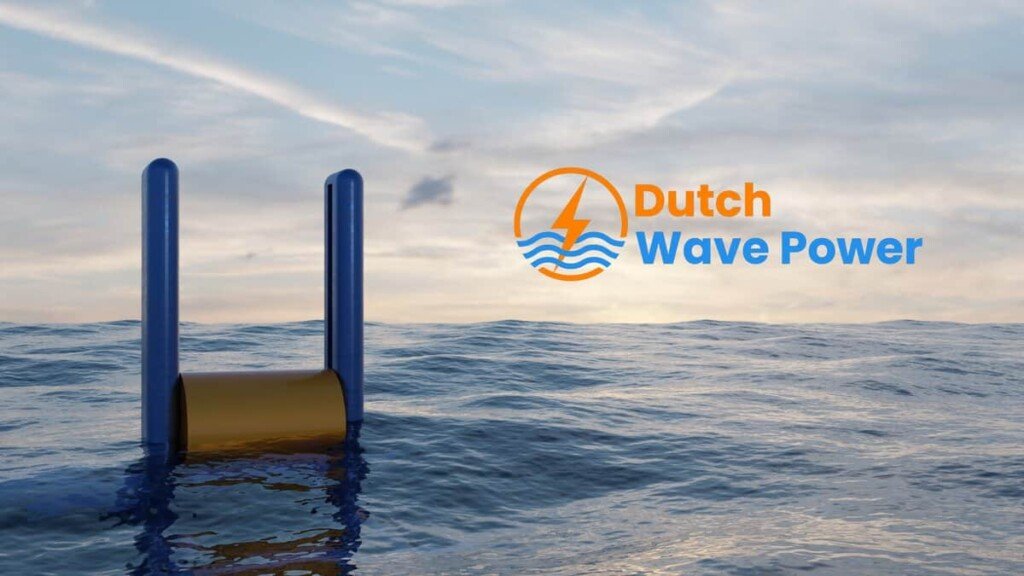
At the heart of Dutch Wave Vitality’s approach is a cylindrical float that rests on the sea surface, designed to move with the natural rise and fall of waves. This vertical motion induces a rotational movement in the float, which is then converted into electrical energy through an integrated generator system.
This float-based wave energy converter is engineered to withstand harsh offshore conditions, including strong winds and turbulent seas. Its compact and robust design allows it to maintain operational efficiency while minimizing maintenance requirements and environmental impact.
In addition to electricity generation, Dutch Wave Vitality’s technology has the potential to produce green hydrogen by utilizing the generated electricity in electrolysis processes. This dual capability enhances the versatility and value proposition of their wave energy systems within the renewable energy landscape.
Significance of the Waddenfonds Subsidy
Dutch Wave Vitality recently received a subsidy exceeding €99,000 from the Waddenfonds, a Dutch fund dedicated to supporting sustainable projects in the Wadden Sea region. This financial support is critical for advancing the company’s large-scale pilot testing and demonstration activities offshore Scheveningen.
The subsidy functions as co-financing within the Offshore For Sustainability (O4S) initiative, which brings together 15 partners from Flanders and the Netherlands. The program aims to accelerate the offshore energy transition through collaborative innovation and shared expertise.
Funding from the Waddenfonds not only aids Dutch Wave Vitality in refining its technology but also helps evaluate key factors such as energy output, operational safety, environmental impacts, and cost-effectiveness. These insights are essential for assessing market readiness and planning future deployments.
Details of the Large-Scale Demonstration Project
The demonstration project involves installing Dutch Wave Vitality’s wave energy converters at a test site near Scheveningen in the North Sea. This location offers realistic sea conditions to assess the technology’s performance under varying wave intensities and weather scenarios.
During the testing phase, data will be collected on energy generation efficiency, system durability, and ecological effects. The project team will also analyze the system’s integration with existing energy infrastructures and its potential contribution to local energy grids.
This pilot stage is crucial for validating technical assumptions and identifying opportunities to optimize the technology. Successful demonstration will pave the way for scaling up installations, potentially transforming coastal energy systems and contributing to regional decarbonization goals.
Collaborative Efforts and Regional Support
Dutch Wave Vitality’s project is part of a broader cooperative effort involving multiple stakeholders across the Netherlands and Flanders. The Offshore For Sustainability mission exemplifies cross-border collaboration dedicated to advancing marine renewable energy technologies.
Moreover, the Wadden Islands—Vlieland, Ameland, Schiermonnikoog, and Texel—have expressed interest in adopting Dutch Wave Vitality’s technology for their energy supply. They have signed a declaration of intent signaling support and readiness to integrate wave energy solutions pending successful pilot outcomes.
This regional backing highlights the strategic importance of wave energy for coastal communities seeking sustainable, locally sourced power. It also demonstrates the alignment between technological innovation and community energy resilience objectives.
Environmental and Economic Implications
Wave energy technologies like those developed by Dutch Wave Vitality offer significant environmental benefits by providing a renewable alternative to fossil fuels, thus reducing greenhouse gas emissions. The offshore location minimizes land use conflicts and preserves terrestrial ecosystems.
The environmental assessment conducted during the pilot project will monitor potential impacts on marine life and habitats, ensuring the technology’s deployment adheres to ecological sustainability principles. This comprehensive evaluation is critical to gaining regulatory approval and public acceptance.
Economically, successful commercialization of wave energy can stimulate job creation in manufacturing, installation, maintenance, and research sectors. It also diversifies the energy mix, enhancing energy security and potentially lowering costs through economies of scale.
Challenges and Future Prospects for Wave Energy
Despite its potential, wave energy faces challenges including high upfront costs, technological complexity, and the need for robust infrastructure to connect offshore devices to onshore grids. Dutch Wave Vitality’s subsidy-backed demonstration aims to address these hurdles through practical testing and iterative development.
Future prospects for wave energy are promising, especially as innovations improve efficiency and reduce costs. Integration with complementary renewable sources, such as offshore wind and solar, can create hybrid systems that provide more stable and predictable power supply.
Ongoing policy support, investment, and international cooperation will be essential to overcome barriers and accelerate the adoption of wave energy technologies. Dutch Wave Vitality’s project represents a vital step toward unlocking the vast untapped energy potential of ocean waves.
Implications for the Energy Transition in the Netherlands and Beyond
The Netherlands is positioning itself as a leader in renewable offshore energy, leveraging its extensive coastline and maritime expertise. Dutch Wave Vitality’s initiative complements national strategies to achieve climate targets and reduce reliance on fossil fuels.
Successful deployment of wave energy technology can contribute to meeting the country’s renewable energy quotas and support the broader European Green Deal objectives. It also sets a precedent for other coastal nations exploring marine energy as part of their energy transition pathways.
Ultimately, the integration of wave energy into the energy mix enhances resilience, diversifies supply, and promotes sustainable economic growth. Dutch Wave Vitality’s subsidy-supported demonstration project is a critical milestone in realizing these long-term benefits.
Conclusion
Dutch Wave Vitality’s recent subsidy award marks a significant advancement in the development and deployment of wave energy technology in the Netherlands. By leveraging innovative engineering and collaborative partnerships, the company is poised to demonstrate the viability of converting ocean wave power into clean electricity and hydrogen at a larger scale. This project not only supports national and regional sustainability goals but also contributes valuable insights into the challenges and opportunities of marine renewable energy. As the energy transition accelerates globally, initiatives like this underscore the critical role of innovation, funding, and cooperation in unlocking the potential of ocean-based energy resources for a sustainable future.
Author of the article: Published Sep 18, 2026 11 minute read Article content Kyndryl Canada has been engaged to deliver a commercialization strategy and…
The National Agency for Science and Engineering Infrastructure (NASENI) on Friday 4th September 2026, marked three years of institutional transformation under its Executive Vice…
Municipal Administration Minister P. Narayana speaks to residents after laying the foundation stone for the slum redevelopment project at Velampeta, near Lakshmi Nagar in…