Saudi Arabia’s Strategic Crossroads: Navigating Conflict Amid US-Iran Tensions
Saudi Arabia finds itself at a critical juncture amid escalating tensions between the United States and Iran. Since the onset of hostilities in late February, Riyadh has largely sought to avoid direct involvement in the conflict. However, recent attacks from Iranian-backed militias in Iraq and the Houthi movement in Yemen have forced the Kingdom to reconsider its stance. This article explores the complex dynamics shaping Saudi Arabia’s dilemma, the strategic implications for its domestic and regional goals, and the possible paths forward as it strives to maintain stability without being drawn into a full-scale war.
Saudi Arabia’s Strategic Crossroads: Navigating Conflict Amid US-Iran Tensions
The Regional Conflict Landscape: Two Sides and Multiple Fronts
The ongoing conflict in the Middle East largely revolves around two opposing blocs. On one side is Iran, supported by its Islamic Revolutionary Guards Corps (IRGC) and allied proxy groups such as the Houthis in Yemen and the Popular Mobilisation Forces (PMF) in Iraq. These groups have been actively launching drone and missile attacks targeting Saudi Arabia and other Gulf states. On the other side stands the United States, backed by its Central Command forces, Gulf Arab states, and Jordan. While Israel remains a close US ally, it has not been an active participant in this particular conflict.
Iran’s strategy has involved concentrating attacks on Gulf neighbors including Jordan, Kuwait, and Bahrain, as well as disrupting commercial shipping through the Strait of Hormuz—a vital global energy corridor. The involvement of Iraqi militias and Yemeni Houthis marks an expansion of the conflict’s geographic scope, highlighting the risk of a broader regional war absent a diplomatic resolution between the US and Iran.
Saudi Arabia’s Calculated Restraint and Emerging Frustrations
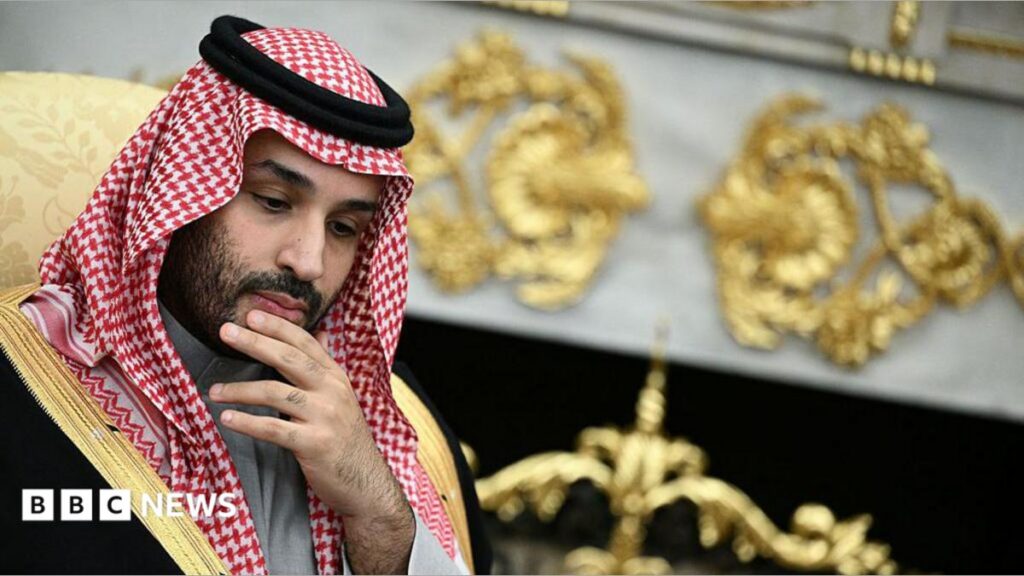
Since the war began, Saudi Arabia has endeavored to avoid direct confrontation, mindful of the risks a wider conflict poses to its national interests. Crown Prince Mohammed bin Salman, the Kingdom’s de facto ruler, has prioritized the Vision 2030 initiative—a transformative plan aimed at reducing Saudi Arabia’s dependence on oil revenues by fostering diversified, modern industries and attracting foreign investment.
However, the persistent threat from Iranian-backed attacks has tested Riyadh’s patience. This week, Saudi forces conducted joint strikes with the US against Iranian proxy militias in Iraq, responding to drone attacks launched at the Kingdom. Such retaliatory actions underscore Riyadh’s growing frustration and its willingness to defend critical infrastructure and national security.
The dilemma Saudi Arabia faces is whether to continue a cycle of tit-for-tat strikes as a deterrent or to seek de-escalation through diplomatic or financial means. Each option carries significant risks and potential consequences for regional stability.
The Vulnerability of Saudi Infrastructure and Economic Interests
Saudi Arabia’s critical oil infrastructure remains a prime target in this conflict. The September 2019 drone attack on the Abqaiq and Khurais oil facilities, attributed to Iranian proxy forces, temporarily knocked out half of the Kingdom’s oil exports and exposed vulnerabilities in its defenses. Satellite imagery from recent attacks confirms that such threats persist.
The Strait of Hormuz, a strategic chokepoint through which approximately 20% of the world’s oil and liquified natural gas passes, has become a focal point of Iranian efforts to disrupt global energy supplies. In response, Saudi Arabia has ramped up oil exports via its east-west pipeline to the Red Sea port of Yanbu, circumventing the Strait. Yet, this alternative route is now under threat from Houthi attacks on shipping in the Bab El Mandeb strait, complicating Saudi export logistics and raising concerns about the security of vital maritime routes.
These disruptions jeopardize not only Saudi Arabia’s economy but also the broader global energy market, underscoring the high stakes involved in the conflict.
The Protracted Yemen Conflict and Its Impact on Saudi Security
The war in Yemen, ongoing for over seven years, has been a costly and largely unsuccessful campaign for Saudi Arabia. Despite extensive bombing campaigns aimed at defeating the Houthi rebels, the group remains resilient and continues to launch cross-border drone and missile attacks.
In 2022, an uneasy truce was established, accompanied by reports of financial incentives to the Houthis. However, recent escalations, including Saudi airstrikes on Sanaa airport and subsequent retaliatory attacks on Saudi airports and shipping, indicate that the ceasefire is fragile at best.
The renewed hostilities from the south compound Saudi Arabia’s security challenges, as it now faces simultaneous threats from both its southern and northern borders.
Vision 2030 at Risk: Balancing Security and Economic Transformation
Vision 2030 represents Crown Prince Mohammed bin Salman’s ambitious blueprint for Saudi Arabia’s future. It aims to diversify the economy, reduce reliance on oil, and create employment opportunities for a youthful population.
However, ongoing security threats and regional instability pose significant obstacles to these goals. Attacks on infrastructure, threats to foreign investment, and the risk of prolonged conflict could undermine investor confidence and slow economic progress.
Moreover, the need to allocate substantial resources to defense and security may divert funds from development projects. Ensuring the Kingdom’s stability is thus not only a matter of national security but also a prerequisite for the success of Vision 2030.
Possible Paths Forward: Deterrence, De-escalation, or Diplomatic Engagement
Saudi Arabia’s leadership faces a complex strategic choice. Continuing military retaliation may serve as a deterrent but risks escalating the conflict further, potentially drawing the Kingdom deeper into a protracted war.
Alternatively, pursuing de-escalation through diplomatic channels or financial arrangements with adversaries could reduce immediate threats but might be perceived as a sign of weakness, potentially emboldening hostile actors.
Ultimately, the absence of a comprehensive peace agreement between the US and Iran leaves the region vulnerable to ongoing instability. Saudi Arabia’s decisions will likely be influenced by broader geopolitical developments and its assessment of the costs and benefits of engagement versus restraint.
What this means
Saudi Arabia stands at a strategic crossroads amid the escalating US-Iran conflict. The Kingdom’s efforts to shield itself from attacks while preserving its ambitious Vision 2030 reforms highlight the intricate interplay between security and economic priorities. As drone and missile threats persist from multiple fronts, Riyadh must navigate a delicate path—balancing retaliation with restraint, and military defense with diplomatic engagement. The decisions made in the coming months will not only shape Saudi Arabia’s future but also influence the broader stability of the Middle East. Without a lasting resolution to US-Iran tensions, the risk of a wider regional conflict remains a pressing concern for all stakeholders.
Thousands of young protesters in Delhi continue to demand education reforms and the resignation of Education Minister Dharmendra Pradhan after a police crackdown. The…
Facing a looming financial collapse, Thames Water’s main lenders have offered the UK government a ‘golden share’ and increased local authority involvement to avoid…
Facing record-breaking temperatures and severe drought, Thames Water has introduced a hosepipe ban impacting over 10 million customers across parts of southern England to…