
News
RUSSIA versus NATO and BRICS vs. NATO Military SWOT
Recall that Poland’s Minister Sikorski’s core claim is partially supported by the numbers, but the framing “quite quickly” and “without the U.S.” does not…
TAMFIS NIG LTDRC 8067447CAC ACTIVEFinima, Bonny Island, Rivers State

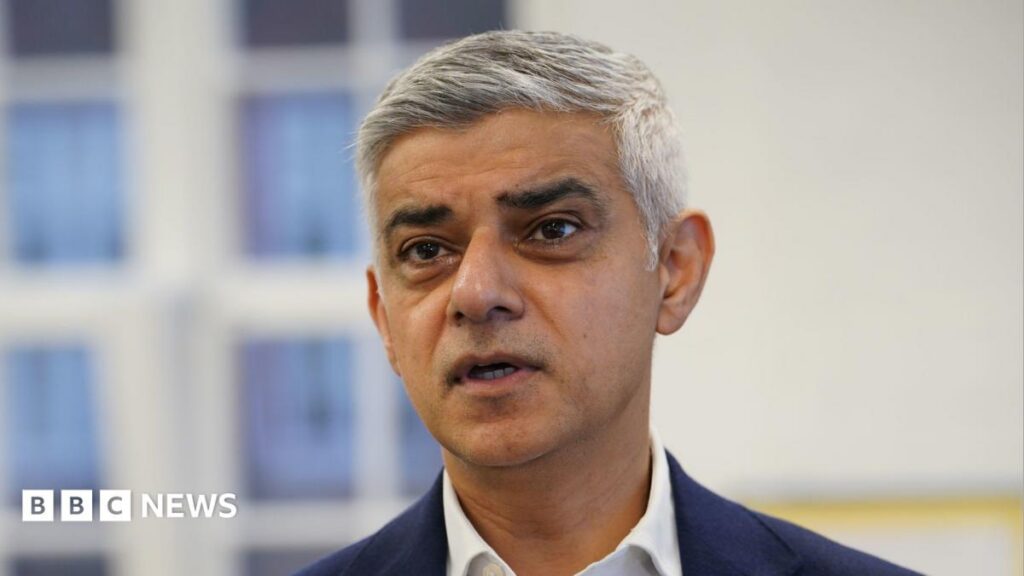
In one of his final acts as Prime Minister, Sir Keir Starmer has nominated 26 new members to the House of Lords, including London Mayor Sir Sadiq Khan. This cross-party list of appointments reflects a blend of political, professional, and crossbench figures, arriving amid a period of political transition and renewed calls for reform of the UK's upper legislative chamber. As the country prepares for Andy Burnham’s premiership, these nominations highlight both continuity and controversy in the evolving role of the Lords.
Sir Sadiq Khan, who has served as Mayor of London since 2016 and is currently in his third term, stands out among the 16 new Labour peers appointed. His nomination underscores his political stature and contributions to London, including efforts to reduce violent crime, improve air quality, oversee the Elizabeth Line’s delivery, and increase council housing.
Despite this elevation to the Lords, Khan has not expressed interest in taking a ministerial role in the incoming government led by Andy Burnham, nor has he decided whether to pursue a fourth mayoral term in 2028. A government source praised Khan as a transformative figure for London, emphasizing that his peerage was well-earned.
The mayor’s office conveyed Khan’s gratitude and commitment to continue advocating for a fairer, safer, and greener London, signaling that his focus remains on local governance even as he takes on a national legislative role.
Alongside Labour’s nominees, the list includes five Liberal Democrats, three Conservatives, and two crossbench members. The Liberal Democrat additions feature a diverse group with expertise ranging from agricultural economics to offshore wind entrepreneurship, highlighting the party’s emphasis on policy expertise and governance reform.
Conservative appointees include former army chief General Sir Patrick Sanders, entrepreneur David Ross, and academic Swaran Singh, reflecting a mix of military, business, and academic backgrounds. The crossbench peers are Sir Chris Wormald, a former cabinet secretary, and Sir Brian Leveson, a retired senior judge, both bringing significant public service experience.
This cross-party composition aims to maintain a degree of balance and expertise within the Lords, which traditionally includes members from various political and professional backgrounds.
The timing of these appointments is notable, occurring just before Sir Keir Starmer’s resignation as Labour leader and Prime Minister, with Andy Burnham set to take office. The nominations were reportedly prepared before Starmer’s announcement last month, distinguishing them from the typical resignation honours that outgoing prime ministers often grant.
While Starmer had previously expressed reservations about resignation honours, describing them as difficult to justify, this list represents political peerages intended to strengthen the legislative chamber ahead of the leadership transition.
The incoming Prime Minister Burnham has voiced strong opinions on the need for reform, criticizing the unelected nature of half the national legislature and calling for a comprehensive overhaul of the House of Lords.
Labour’s 2022 manifesto included plans to abolish the House of Lords and replace it with a reformed upper chamber. However, these ambitions have since been softened to a commitment to consider alternative models while immediately removing hereditary peers’ seats, a change implemented this year.
The latest appointments have drawn criticism from reform advocates and opposition figures alike. Reform UK leader Nigel Farage condemned the list as perpetuating an unrepresentative ‘uniparty’ system, noting the absence of any peers from his party.
The Electoral Reform Society highlighted the dissonance between Labour’s reform rhetoric and the recent appointments, urging the new government to fulfill promises of creating a smaller, democratically accountable upper chamber that better reflects the UK’s population.
Andy Burnham’s call for a complete overhaul aligns with these critiques, emphasizing the democratic deficit posed by an unelected legislature that wields significant influence over national lawmaking.
Members of the House of Lords are appointed by the monarch on the advice of the Prime Minister, following a vetting process. This system has long been criticized for its lack of democratic legitimacy and transparency.
The Lords serves as a revising chamber, scrutinizing legislation passed by the elected House of Commons. Its members include life peers, hereditary peers, and bishops, with life peerages typically granted for political service, expertise, or public contribution.
The current appointments reflect this tradition, blending political figures with experts from various fields. However, the ongoing debate about reform underscores the tension between tradition and the demand for a more representative and accountable upper house.
Editor’s note: The following is AI-generated commentary and context on this topic, not original reporting.
Appointments to the House of Lords are typically made through the Prime Minister’s list, working nominations from party leaders and independent recommendations vetted by the House of Lords Appointments Commission. Life peers are entitled to sit and vote in the chamber for the remainder of their lives, and appointments are frequently used both to reward long service and to bring specific expertise into the legislative process.
Calls for reform of the Lords are not new; various governments have floated proposals ranging from an elected second chamber to a smaller, more streamlined body focused on scrutiny rather than political reward. Any substantial change would likely require cross-party consensus and primary legislation, meaning reform efforts historically move slowly regardless of which party holds office.
The induction of Sir Sadiq Khan and 25 others into the House of Lords marks a significant moment in the UK’s political landscape, coinciding with a change in government and renewed discussions on the future of the upper chamber. While these appointments recognize individual contributions and aim to preserve a balance of expertise and political representation, they also highlight the persistent challenges facing the Lords’ legitimacy and structure. As Prime Minister Andy Burnham takes office, the pressure to enact meaningful reform of the House of Lords will likely intensify, reflecting broader public demands for a more democratic and accountable legislature.
Originally reported by bbc.co.uk. Adapted for our readers with AI assistance.
Keep reading
News
Recall that Poland’s Minister Sikorski’s core claim is partially supported by the numbers, but the framing “quite quickly” and “without the U.S.” does not…
News
Thousands of young protesters in Delhi continue to demand education reforms and the resignation of Education Minister Dharmendra Pradhan after a police crackdown. The…
News
Facing a looming financial collapse, Thames Water’s main lenders have offered the UK government a ‘golden share’ and increased local authority involvement to avoid…
TAMFIS NIG LTD
Electrical and instrumentation engineering, bid preparation and consulting, IT and software.