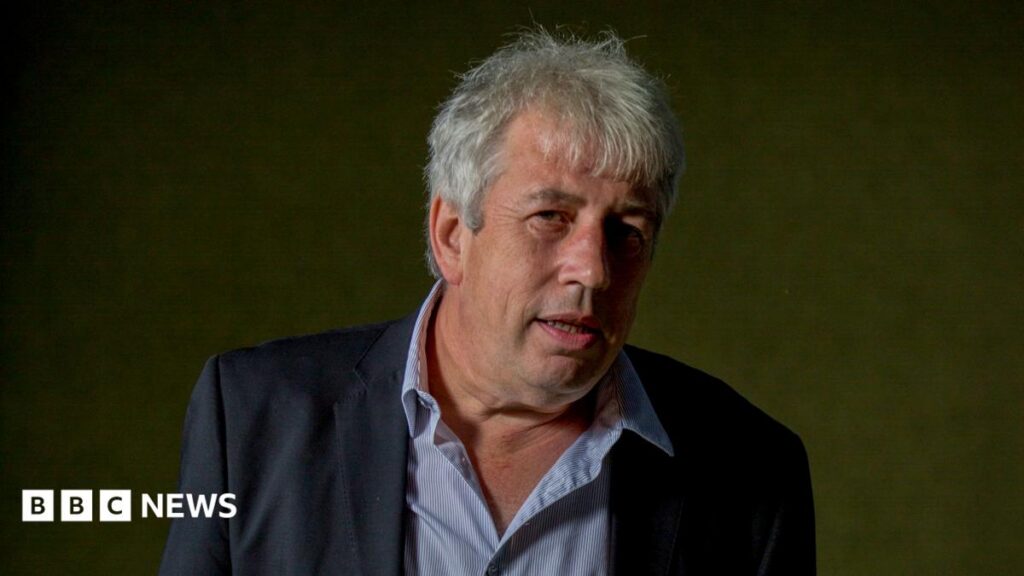
Remembering Rod Liddle: A Provocative Voice in British Journalism Dies at 66
Rod Liddle, a well-known figure in British media, passed away at the age of 66 following a short illness. Renowned for his incisive commentary and distinctive style, Liddle was a columnist for leading newspapers such as The Sun and The Sunday Times, a regular contributor to The Spectator, and a broadcaster on Times Radio. His sudden death has prompted an outpouring of tributes from family, colleagues, and the wider journalistic community, highlighting his significant influence on contemporary journalism in the UK.
Remembering Rod Liddle: A Provocative Voice in British Journalism Dies at 66
A Career Marked by Sharp Insight and Provocation
Rod Liddle’s career in journalism was characterized by his ability to challenge conventional thinking and provoke debate. Over several decades, he contributed columns to some of the UK’s most widely read newspapers, including The Sun and The Sunday Times. His weekly column in The Spectator further cemented his reputation as a fearless commentator unafraid to tackle controversial subjects.
In addition to his print work, Liddle was a familiar voice on the radio, hosting a show on Times Radio where his incisive analysis and distinctive perspective attracted a dedicated audience. His work was noted for its sharp wit and uncompromising tone, qualities that earned him both admirers and critics alike.
Tributes from Family and Colleagues
Liddle’s children—Wilder, Tyler, and Emmy—expressed deep sorrow at his sudden passing. They described him as a guide on how to live an extraordinary life, emphasizing his inquisitive nature, bravery, and humor. Even during his final weeks in hospital, they noted his ability to maintain control of the room and conceal the severity of his condition.
Rebekah Brooks, CEO of News UK, paid tribute to Liddle as an "inimitable journalistic force" who left an indelible mark on British journalism. She highlighted his brilliance, provocative style, and immense talent, acknowledging the shock and sadness felt throughout the media company and beyond.
Brooks’ remarks underline Liddle’s impact not only as a writer but also as a colleague and public figure whose voice resonated across multiple platforms.
Legacy and Influence on British Journalism
Rod Liddle’s legacy is multifaceted. He was known for pushing boundaries and refusing to conform to mainstream expectations, which contributed to lively public discourse on a range of social and political issues. His columns often sparked conversation and debate, reflecting a commitment to challenging readers’ perspectives.
His influence extended beyond print and radio; Liddle’s style and approach exemplified a particular strand of British journalism that values directness and a willingness to confront uncomfortable truths. This approach has inspired both contemporaries and emerging journalists who see the importance of fearless commentary in a democratic society.
While his provocative style sometimes attracted criticism, it also underscored the role of journalism in fostering diverse viewpoints and robust debate.
The Circumstances Surrounding His Passing
Rod Liddle died at The James Cook University Hospital in Middlesbrough on a Sunday evening after a brief illness. Details about the nature of his illness have not been publicly disclosed, but the suddenness of his passing has been a source of shock to family, friends, and colleagues alike.
His death was announced publicly with immediate expressions of condolence and respect from the media community. News UK and other organizations associated with Liddle have pledged to honor his memory and contributions to journalism.
As updates continue to emerge, the media and public are reflecting on the significant void left by Liddle’s departure from the British journalistic landscape.
What this means
Rod Liddle’s passing marks the end of a significant chapter in British journalism. His fearless approach to commentary and his ability to engage audiences across multiple platforms made him a distinctive and influential figure. While his style sometimes sparked controversy, it undeniably contributed to the richness of public discourse. As the media community and his family mourn his loss, Liddle’s legacy endures in the values he championed: curiosity, bravery, and a commitment to living—and reporting—life with unflinching honesty.
Editor’s note: The following is AI-generated commentary and context on this topic, not original reporting.
“Remembering Rod Liddle: A Provocative Voice in British Journalism Dies at 66” is the kind of headline that, on its own, only tells part of a larger story. Understanding the background helps explain why it matters and what may follow.
As reported: “Rod Liddle, a well-known figure in British media, passed away at the age of 66 following a short illness. Renowned for his incisive commentary and distinctive style, Liddle was a columnist for leading newspapers such as…”
Understanding the Broader Context
Questions of prevention and future safety measures often follow serious incidents, with policymakers and institutions sometimes reviewing existing procedures. Incidents of this kind understandably generate significant public concern, both for the immediate details of what occurred and for the wider questions they raise about safety and oversight. Institutions involved in stories of this kind typically respond through established communication channels rather than informal statements.
Any changes to policy or procedure that result from a serious incident are usually announced only after a formal review process has concluded. Communities affected by such events frequently experience a mixture of grief, anger, and a desire for answers. As more information becomes available, the picture described in initial reports often becomes more nuanced.
How Such Cases Typically Unfold
Formal findings are often not released until inquiries or investigations have concluded, which can take weeks or months. Support services, including counselling and victim support organisations, are often made available to those directly affected by serious incidents. Public statements from officials, and sometimes from family members or representatives, become an important part of how the public processes an event.
How official statements evolve as more information is confirmed
How communities typically respond in the aftermath of tragedy
The support typically made available to those directly affected
Coroners, inquests, or equivalent formal processes are typically responsible for establishing an official cause in cases involving unexpected deaths. Questions of prevention and future safety measures often follow serious incidents, with policymakers and institutions sometimes reviewing existing procedures. Formal findings are often not released until inquiries or investigations have concluded, which can take weeks or months.
What Comes Next
Public statements from officials, and sometimes from family members or representatives, become an important part of how the public processes an event. Media coverage of serious incidents plays an important role in informing the public, but also carries a responsibility to avoid speculation ahead of confirmed findings. Media coverage of serious incidents plays an important role in informing the public, but also carries a responsibility to avoid speculation ahead of confirmed findings.
Legal proceedings following serious incidents can take considerable time to reach a resolution, particularly where multiple jurisdictions or agencies are involved. Any changes to policy or procedure that result from a serious incident are usually announced only after a formal review process has concluded. Established outlets typically distinguish between confirmed facts and statements made by involved parties, particularly in the early hours after an incident.
Emergency services and first responders often play a critical role in the immediate aftermath of such incidents, and their accounts frequently inform early reporting. Ongoing coverage from established outlets remains valuable as a story like this develops further. Context and background are often as important as the immediate headline in understanding why a story has resonated with the public.
Local and national authorities generally follow established protocols when responding to serious incidents, including securing the scene and informing next of kin. Investigations into such events typically take time, as authorities work to establish a verified sequence of events before drawing conclusions. Any changes to policy or procedure that result from a serious incident are usually announced only after a formal review process has concluded.
Legal proceedings following serious incidents can take considerable time to reach a resolution, particularly where multiple jurisdictions or agencies are involved. Stories of this kind often sit within broader trends that are not always immediately visible from a single report. Support services, including counselling and victim support organisations, are often made available to those directly affected by serious incidents.
For those closely connected to the events described, the personal impact can be significant and long-lasting, extending well beyond the initial news cycle. Local and national authorities generally follow established protocols when responding to serious incidents, including securing the scene and informing next of kin. Coroners, inquests, or equivalent formal processes are typically responsible for establishing an official cause in cases involving unexpected deaths.
Institutions involved in stories of this kind typically respond through established communication channels rather than informal statements. Understanding the wider context can help readers form a more complete picture of what is being described. Emergency services and first responders often play a critical role in the immediate aftermath of such incidents, and their accounts frequently inform early reporting.
What happens next will depend on a range of factors outside the scope of this summary. Readers should treat this as background commentary rather than a substitute for continuing coverage from primary news sources.
Originally reported by bbc.co.uk. Adapted for our readers with AI assistance.
Thousands of young protesters in Delhi continue to demand education reforms and the resignation of Education Minister Dharmendra Pradhan after a police crackdown. The…
Facing a looming financial collapse, Thames Water’s main lenders have offered the UK government a ‘golden share’ and increased local authority involvement to avoid…
Facing record-breaking temperatures and severe drought, Thames Water has introduced a hosepipe ban impacting over 10 million customers across parts of southern England to…