
Business
Nigeria’s Economic Performance: Domestic Debt Rise and Agriculture Trade Shift in Q2 2026
Nigeria's economic landscape in the second quarter of 2026 presents a mixed picture of fiscal press...
TAMFIS NIG LTDRC 8067447CAC ACTIVEFinima, Bonny Island, Rivers State

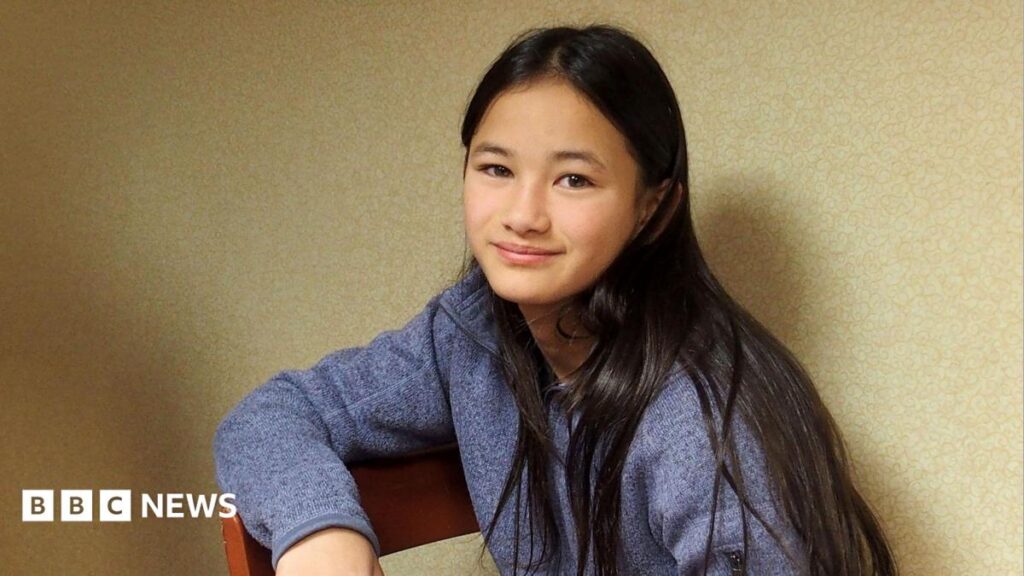
The entertainment industry is mourning the loss of Kaylee Hottle, a deaf American actress whose breakthrough role as Jia in the Monsterverse franchise brought unprecedented visibility to deaf performers in mainstream blockbuster cinema. Hottle died at the age of 18 following a single-vehicle crash in Frederick, Maryland, where excessive speed was cited as a contributing factor. Beyond her on-screen achievements, she was a vocal advocate for the deaf community, using her growing platform to challenge stereotypes and push for greater inclusion in Hollywood. Her passing has drawn heartfelt tributes from co-stars including Millie Bobby Brown, Rebecca Hall and Eiza González, as well as from Oscar-winning deaf actress Marlee Matlin and advocacy organisations such as the Royal National Institute for Deaf People.
Kaylee Hottle first captured global attention in the 2021 film Godzilla vs Kong, where she portrayed Jia, a young deaf orphan who forms a unique bond with the titular titan. Her performance was widely praised for bringing depth and humanity to a character that could easily have been reduced to a plot device. The role was significant for its authenticity — Hottle, herself deaf, communicated on screen using American Sign Language, offering audiences a rare example of genuine representation in a major studio tentpole.
She reprised the role in the 2024 sequel Godzilla x Kong: The New Empire, further cementing her place within the franchise. Despite her young age, Hottle's screen presence drew acclaim from peers and critics alike. Millie Bobby Brown, her co-star in the first film, described her as deeply missed, while Rebecca Hall and Eiza González both shared personal tributes highlighting Hottle's kindness and the strong bonds formed during production. For a performer still in her teens, the trajectory suggested a career of considerable promise.
The fatal accident occurred in the early hours of a Tuesday morning in Frederick, Maryland. According to police reports, excessive speed was a contributing factor in the single-vehicle crash in which Hottle was a passenger. The driver, aged 19, sustained non-life-threatening injuries and was taken to hospital, while another passenger declined medical assistance at the scene. Hottle was pronounced dead at the scene.
Her father, Joshua Hottle, confirmed the news through a video statement posted on Facebook delivered in American Sign Language — a poignant reflection of the family's deep connection to the deaf community. The statement conveyed both personal grief and gratitude for the support received. The suddenness of the loss has reverberated far beyond her immediate circle, affecting fans, colleagues and advocates who saw in Hottle a powerful symbol of progress.
Hottle's advocacy extended well beyond her film roles. She consistently used interviews, social media and public appearances to raise awareness about the experiences of deaf individuals, particularly within the entertainment industry. Her visibility as a deaf actress in high-profile productions challenged long-standing norms, where deaf characters were frequently portrayed by hearing actors — a practice that has faced increasing criticism from advocacy groups.
Teri Devine, associate director of inclusion at the Royal National Institute for Deaf People (RNID), emphasised Hottle's role in paving the way for greater inclusion. Devine noted that Hottle's work helped improve public understanding of deafness, dispel misconceptions, and inspire others within the community to pursue careers in the arts without limitation. Oscar-winning deaf actress Marlee Matlin also paid tribute, sharing a photograph alongside Hottle and fellow deaf actress Shoshannah Stern. Matlin described the young performer as "sweet" and expressed sorrow over a life and career cut short, underscoring the importance of remembering both her talent and her advocacy.
Legendary Pictures, the production company behind the Godzilla franchise, released a statement honouring Hottle as a cherished member of their team. They praised her ability to bring extraordinary heart and humanity to her role, noting the warmth and kindness she brought to set. The statement reflected a sentiment echoed across social media, where co-stars, crew members and fans shared memories and condolences.
Eiza González's tribute, in which she described her heartbreak and adoration for Hottle, captured the personal dimension of the loss. Rebecca Hall spoke of Hottle's professionalism and generosity, qualities that belied her age. These responses highlight not only Hottle's professional impact but also the impression she made as a colleague and young woman. For many in the deaf community, her passing represents the loss of a visible role model at a time when representation is gaining — but has not yet secured — meaningful ground.
Performers who are deaf or hard of hearing occupy a distinctive space in the entertainment industry, often balancing their craft with an implicit responsibility to represent a community historically underrepresented on screen. In recent years, roles incorporating American Sign Language have opened doors for deaf actors to reach mainstream audiences, and each high-profile casting decision reignites debate about authentic representation versus hearing actors portraying deaf characters.
Hottle's career, though brief, contributed meaningfully to that shift. Her casting in a global franchise signalled that studios are increasingly willing to invest in authentic representation — not as a gesture, but as a creative and commercial imperative. The loss of a young performer who actively used her platform for advocacy resonates beyond entertainment trade press. Tributes from industry figures have highlighted not just her on-screen achievements but the quieter work of mentorship and community outreach that rarely makes headlines.
For families and fans processing sudden loss, public memorials and tribute statements serve as an important, if painful, part of collective mourning. They also renew attention on road safety and the fragility of promising lives cut short. Colleagues in the industry have pointed to the importance of continuing the representation work Hottle championed, ensuring that future casting decisions keep pace with the visibility her career helped establish.
Kaylee Hottle's passing is a profound loss to the entertainment world and the deaf community alike. In a career spanning just two films, she achieved what many performers spend decades pursuing: a role that resonated globally while advancing the cause of authentic representation. Her advocacy, both on and off screen, helped shift industry norms and inspired a generation of young deaf people to see themselves reflected in mainstream cinema. As Hollywood continues its uneven progress toward inclusivity, Hottle's legacy serves as a reminder that representation is not merely about visibility — it is about agency, authenticity and the power of a single voice to change the conversation. Her memory will endure through her work, the barriers she helped dismantle, and the lives she touched in her brief but luminous time.
Originally reported by bbc.co.uk. Adapted for our readers with AI assistance.
Keep reading
Business
Nigeria's economic landscape in the second quarter of 2026 presents a mixed picture of fiscal press...
Business
Liverpool manager Andoni Iraola is confronting a significant selection headache as two key forwards, Cod...
News
Health News tamfitronics [Editor’snote:[Editor’snote: This transcript was generated using both transcription ...
TAMFIS NIG LTD
Electrical and instrumentation engineering, bid preparation and consulting, IT and software.