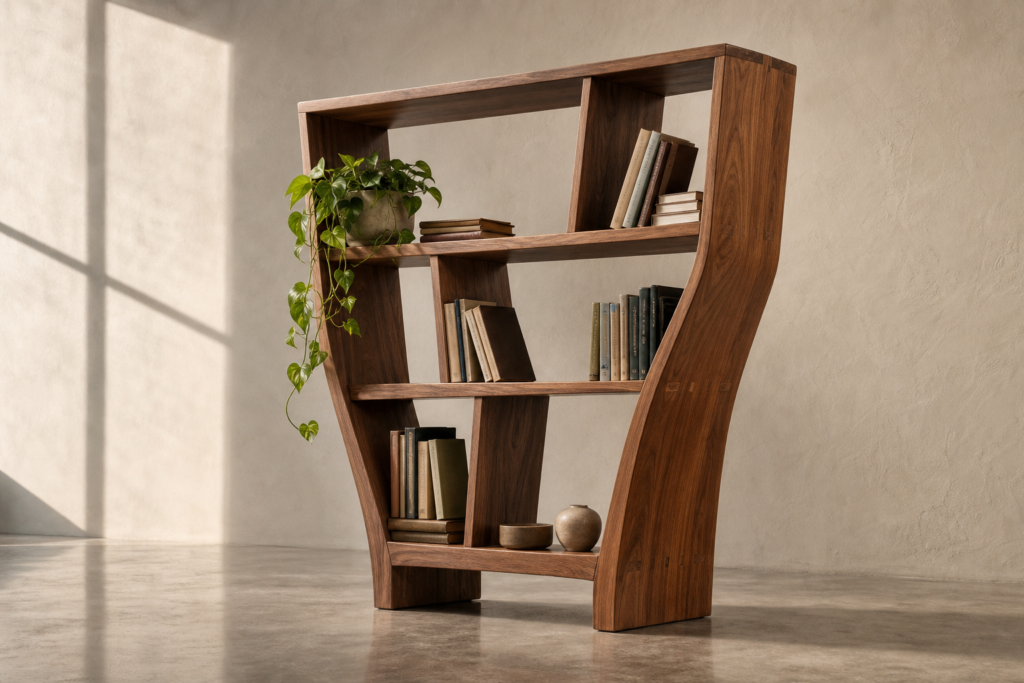
Reinterpreting the Classic Bookshelf: Form, Function and Flexibility
Bookshelves have long been a staple in homes and offices, serving as essential storage solutions for books and decorative items. However, as interior design trends evolve and living spaces become more dynamic, the classic bookshelf is undergoing a transformation. This article explores how designers and homeowners are reinterpreting the bookshelf by emphasizing form, enhancing functionality, and introducing flexibility to meet contemporary needs. From minimalist designs to modular systems, the modern bookshelf is far more than just a place to shelve books—it’s a versatile piece that complements lifestyle and space constraints.
The Evolution of Bookshelf Design
The bookshelf has evolved significantly from its original purpose as a simple storage unit for books to a design element that enhances interior aesthetics. Historically, bookshelves were bulky, wooden structures often confined to libraries or studies. Over time, innovations in materials and design philosophies have shifted the bookshelf’s role from purely functional to a statement piece that reflects personal style and architectural trends.
In the mid-20th century, the rise of minimalism introduced sleeker, more streamlined bookshelf designs that focused on clean lines and open spaces. This shift was driven by the desire to create less cluttered environments and highlight the contents rather than the furniture itself. Modern bookshelves often incorporate materials such as metal, glass, and engineered wood, expanding their visual and tactile appeal.
Contemporary bookshelf designs now emphasize customization and modularity, allowing users to tailor their storage solutions to specific needs. This evolution reflects a broader trend in furniture design, where adaptability and personalization are prioritized to accommodate varying lifestyles and spatial constraints.
Form: Redefining Aesthetics in Bookshelf Design
The form of bookshelves has become increasingly diverse, moving beyond traditional rectangular shapes to embrace organic curves, asymmetry, and sculptural elements. Designers experiment with geometric patterns and unconventional materials to create bookshelves that double as art installations, blurring the line between furniture and décor.
Innovative forms also address spatial challenges in modern homes, such as small apartments or irregularly shaped rooms. Floating shelves, wall-mounted units, and corner bookshelves optimize vertical and unused spaces, contributing to a visually lighter and more open atmosphere. These designs often integrate lighting and color to enhance mood and highlight displayed items.
Additionally, the integration of technology influences bookshelf form. Built-in charging stations, LED lighting, and smart storage compartments are seamlessly incorporated into contemporary designs, ensuring that bookshelves meet the demands of modern living while maintaining aesthetic appeal.
Function: Beyond Book Storage
While bookshelves traditionally serve as storage for books, their function has expanded to accommodate multimedia collections, decorative objects, and even workspace organization. Multifunctional bookshelves often include drawers, cabinets, and adjustable shelves, providing versatile storage options for a variety of items beyond literature.
In living spaces where maximizing utility is crucial, bookshelves are designed to serve multiple roles such as room dividers, display units, or even seating areas. This multifunctionality enhances the bookshelf’s value, making it a central piece that supports both organization and lifestyle needs.
Ergonomics also play a role in functional bookshelf design. Adjustable heights and modular components allow users to customize shelf arrangements for easy access and optimal use. This adaptability is particularly important in shared or changing environments where storage needs fluctuate.
Flexibility: Modular and Adaptive Bookshelves
Flexibility is a key trend in modern bookshelf design, driven by the need for furniture that evolves with changing living situations. Modular bookshelves consist of individual units that can be rearranged, stacked, or expanded to suit different spaces and purposes. This adaptability makes them ideal for renters, students, and growing families.
Adaptive bookshelves often feature components that can be easily detached or reconfigured without professional assistance. This user-friendly approach empowers consumers to personalize their storage solutions and respond quickly to new organizational challenges or aesthetic preferences.
Moreover, flexible bookshelves support sustainability by extending the furniture’s lifespan. Instead of discarding an entire unit, users can update or replace individual modules, reducing waste and promoting environmentally conscious consumption.
Material Innovation in Bookshelf Construction
Material choice is fundamental to the bookshelf’s form and function. Traditional hardwoods remain popular for their durability and timeless appeal, but contemporary designs incorporate innovative materials such as recycled plastics, metal alloys, and engineered composites. These materials offer new textures, colors, and structural possibilities.
Sustainable materials are increasingly favored as consumers become more environmentally aware. Bamboo, reclaimed wood, and low-VOC finishes contribute to eco-friendly bookshelf options that do not compromise on style or strength. Additionally, lightweight materials facilitate easier movement and reconfiguration.
The combination of materials within a single bookshelf, such as wood with metal frames or glass accents, creates contrast and visual interest. This hybrid approach enhances both the aesthetic and practical attributes of the bookshelf, providing stability while maintaining elegance.
Integrating Technology and Smart Features
The integration of technology into bookshelf design reflects the broader smart home trend. Bookshelves now accommodate charging stations for devices, built-in speakers, and LED lighting that can be controlled via smartphones. These features add convenience and enhance the user experience.
Smart shelves with sensors can monitor the weight or placement of items, offering inventory management for extensive book collections or collectibles. This technology can alert users to misplaced or missing items, adding a layer of security and organization.
Furthermore, the use of augmented reality (AR) apps allows users to visualize bookshelf configurations in their space before purchase or assembly. This digital tool aids in planning and ensures that the bookshelf meets both functional and aesthetic expectations.
Bookshelves as Personal Expression
Bookshelves increasingly serve as canvases for personal expression, reflecting the owner’s interests, tastes, and lifestyle. The way books and objects are arranged can tell a story, showcase passions, or create thematic displays that enrich the living environment.
Customizable shelving units support personalization through interchangeable panels, colors, and finishes. Users can update their bookshelf’s appearance to match seasonal décor or evolving personal styles, making the bookshelf a dynamic feature rather than a static fixture.
Incorporating art, plants, and memorabilia alongside books transforms the bookshelf into a curated gallery. This approach fosters creativity and individuality while encouraging a deeper connection to the space and its contents.
Practical Tips for Choosing the Right Bookshelf
Selecting the ideal bookshelf requires balancing aesthetics, function, and space considerations. Start by measuring available space and considering ceiling height to determine the appropriate size and shape. Take note of existing décor styles to ensure visual harmony.
Assess your storage needs carefully. If you have a large book collection, prioritize sturdy shelves with adjustable heights. For multifunctional purposes, look for designs that incorporate drawers or cabinets. Modular systems offer flexibility if your needs are expected to change over time.
Consider material durability and maintenance requirements. Solid woods may require more upkeep but offer longevity, while metal or engineered materials are often easier to clean and maintain. Also, think about mobility if you anticipate relocating or rearranging your furniture frequently.
Conclusion
The reinterpretation of the classic bookshelf reflects a broader shift in furniture design towards innovation, adaptability, and personal expression. Today’s bookshelves are not merely storage units but integral components of interior design that accommodate evolving lifestyles and aesthetic sensibilities. By embracing new forms, multifunctional features, and flexible configurations, modern bookshelves enrich living spaces both practically and visually. As materials and technology continue to advance, the bookshelf will undoubtedly remain a dynamic and essential fixture, perfectly balancing tradition with contemporary demands.
Thousands of young protesters in Delhi continue to demand education reforms and the resignation of Education Minister Dharmendra Pradhan after a police crackdown. The…
Facing a looming financial collapse, Thames Water’s main lenders have offered the UK government a ‘golden share’ and increased local authority involvement to avoid…
Facing record-breaking temperatures and severe drought, Thames Water has introduced a hosepipe ban impacting over 10 million customers across parts of southern England to…